

Introduction
Motorbike chicken strips are one of those small details riders notice almost immediately, whether on their own bike or someone else’s. They are the unused edges of a motorcycle tire, often sparking debates, jokes, and strong opinions within riding culture. For some riders, motorbike chicken strips feel like a badge of caution. For others, they are misunderstood symbols of skill. In reality, they tell a much bigger and more practical story about riding, safety, and how motorcycles are actually used on real roads.
Understanding Motorbike Chicken Strips on Motorcycle Tires
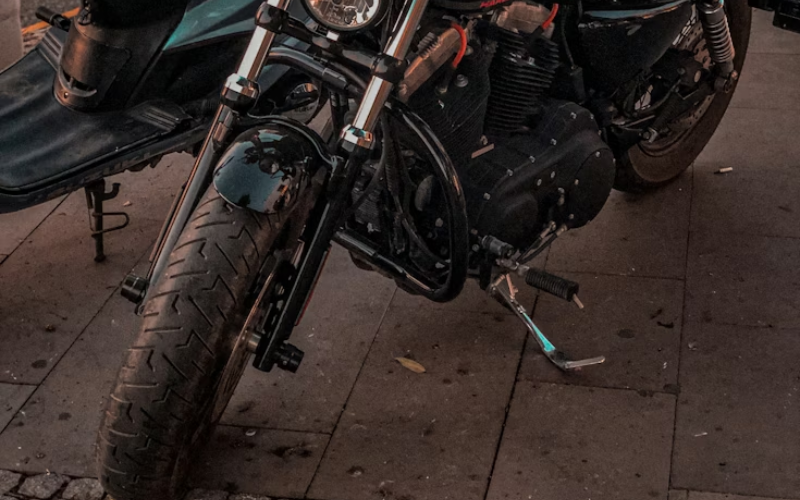
Motorbike chicken strips refer to the narrow, unworn bands that appear on the outer edges of motorcycle tires. These strips form when a rider does not lean the bike far enough to use the full width of the tire. On most street motorcycles, especially new ones, these clean edges are easy to see and often become a topic of discussion among riders.
Chicken strips form naturally during everyday riding. Most street riding involves straight roads, gentle curves, traffic, and changing road surfaces. Riders rarely lean their bikes to extreme angles in these conditions, and that is completely normal. Over time, the center of the tire wears faster because it handles most of the riding load. The outer edges remain untouched, creating visible chicken strips.
Different bikes show chicken strips differently because tire shape, suspension setup, and riding position all play a role. A sportbike with rounded tires may show very small strips, while a cruiser with flatter tires can show larger ones even when ridden confidently. This difference often leads to unfair comparisons between riders who are riding very different machines.
The Real Reasons Motorbike Chicken Strips Exist
Motorbike chicken strips exist because of simple physics, not because of fear or lack of talent. How far a motorcycle leans depends on speed, corner shape, road grip, and rider comfort. On public roads, riders are limited by traffic, visibility, surface quality, and safety margins. These limits naturally reduce lean angles and leave parts of the tire unused.
Bike setup also plays a major role. Tire profile affects how quickly a bike leans and how much of the tire touches the road. A rounder tire encourages smooth lean and uses more edge, while a flatter tire focuses contact toward the center. Suspension settings, rider weight, and even luggage can all influence how the tire wears.
Road conditions matter more than many riders admit. Painted lines, gravel, potholes, and uneven pavement all reduce grip. Most riders instinctively stay more upright when conditions are unpredictable, which again leaves chicken strips behind. This is not a weakness. It is good judgment.
What Motorbike Chicken Strips Say — and Don’t Say — About Riding Skill
Motorbike chicken strips are often treated as proof of riding ability, but this idea is misleading. Having small or no chicken strips does not automatically mean a rider is skilled, just as having large strips does not mean a rider lacks confidence or control. Tire wear only shows how a bike has been ridden, not how well.
A rider can remove chicken strips by leaning aggressively without smooth control, while another rider may have excellent braking, balance, and awareness but never reach extreme lean angles. Skill includes many elements such as reading traffic, choosing safe lines, reacting calmly, and staying consistent over long rides. Chicken strips only reflect one small aspect of riding behavior.
Judging riders based on tire edges creates unnecessary pressure and encourages risky behavior. Many accidents happen when riders try to lean more than road conditions allow. Understanding that chicken strips are normal helps shift the focus away from ego and toward safe, confident riding.
How Bike Type and Riding Style Affect Motorbike Chicken Strips
Bike type has a huge influence on motorbike chicken strips. Sport bikes are designed for aggressive lean angles, high cornering speeds, and smooth pavement. Their tires are shaped to use more edge with less effort, so chicken strips often disappear quickly, even during spirited street riding.
Cruisers and touring bikes are built for comfort and stability, not extreme lean. Their lower ground clearance and wider tires limit how far they can lean safely. Riders on these bikes often have visible chicken strips even after thousands of miles, and that is expected.
Naked bikes and adventure motorcycles fall somewhere in between. Naked bikes can lean well but are often used for commuting and casual riding. Adventure bikes are taller and heavier, and many are ridden on mixed surfaces, which naturally reduces lean angle. Riding style matters just as much as bike type. A rider who focuses on smooth lines and relaxed pace may keep chicken strips longer than someone who rides aggressively, regardless of skill level.
Should You Try to Eliminate Motorbike Chicken Strips?
Trying to eliminate motorbike chicken strips should never be the main goal of riding. On public roads, safety should always come first. Leaning further just to use tire edges can push riders beyond safe limits, especially when road conditions are unpredictable.
There is nothing wrong with being curious about chicken strips or wanting to improve riding technique. However, that curiosity should be guided by learning and experience, not pressure or comparison. Many professional instructors agree that chicken strips on street bikes are normal and often a sign of sensible riding habits.
If reducing chicken strips happens naturally as confidence grows, that is fine. Forcing it, however, often leads to mistakes. Riding within personal limits builds long-term skill far better than chasing appearances.
Reducing Motorbike Chicken Strips the Right Way
Reducing motorbike chicken strips should come as a result of better riding, not deliberate risk. Smooth throttle control, relaxed body position, and good corner entry all help a bike lean naturally. As riders become more comfortable and precise, they often find that tire edges get used without conscious effort.
Skill-building habits such as practicing vision, choosing clean lines, and maintaining steady speed through corners improve overall control. These habits increase confidence and allow lean angle to grow gradually and safely. Over time, chicken strips may shrink, but they should never be the main focus.
Track days differ greatly from street riding. On a closed track, riders have consistent surfaces, clear sight lines, and no traffic. This environment allows safe exploration of lean angles and tire edges. Many riders who still have chicken strips on the street will use most of their tire on the track. This difference shows that chicken strips are more about environment than courage.
Conclusion
Motorbike chicken strips are one of the most misunderstood parts of motorcycle culture. They are not a reliable measure of skill, bravery, or experience. Instead, they reflect riding environment, bike design, and personal comfort levels. Understanding what chicken strips really mean helps riders focus on what matters most: safety, control, and enjoyment. When riders stop worrying about tire edges and start paying attention to smooth, confident riding, improvement comes naturally, and the conversation around motorbike chicken strips becomes far more meaningful.
FAQs
Do motorbike chicken strips mean you’re a bad rider?
No. Motorbike chicken strips do not measure riding skill. They only show how much of the tire has been used. Many experienced and safety-focused riders have chicken strips because they ride within sensible limits on public roads.
Are motorbike chicken strips dangerous or unsafe?
Motorbike chicken strips are not dangerous. In fact, they often indicate cautious and controlled riding. A tire does not need to be worn all the way to the edge to provide good grip or safe handling in normal street conditions.
Why do new tires show motorbike chicken strips more clearly?
New tires show chicken strips faster because the center wears in first during straight-line riding. The edges remain clean and unused, making the chicken strips more noticeable, especially on modern sport or road tires.
Can suspension setup or tire pressure affect motorbike chicken strips?
Yes. Incorrect tire pressure or poorly adjusted suspension can change how a tire contacts the road and how it wears. However, even with correct setup, motorbike chicken strips are still very common in everyday street riding.