

Introduction
Hairdressing pins may look small and simple, but they play a big role in how hair is styled, shaped, and held in place. From quick everyday looks at home to detailed work in professional salons, these pins help control hair and keep styles neat for longer. Choosing the right hairdressing pins is not just about convenience—it directly affects comfort, finish, and results. Understanding how they work and how to use them properly can make hair styling easier, cleaner, and more reliable.
Understanding What Hairdressing Pins Are and Why They Matter
Hairdressing pins are tools designed to hold hair in place during styling, cutting, or finishing. Their main purpose is to secure sections of hair without pulling, slipping, or damaging strands. At home, people use hairdressing pins to keep hair away from the face, support simple updos, or hold sections while drying or straightening. In salons, these pins become essential tools for precise work, such as sectioning hair for cutting, coloring, or creating structured styles.
What makes hairdressing pins important is their balance of grip and gentleness. Good pins hold hair firmly while staying comfortable on the scalp. They help reduce the need for constant adjustments and allow stylists to work more efficiently. Without reliable hairdressing pins, even basic hairstyles can lose shape quickly or feel messy and uneven.
Different Types of Hairdressing Pins and Their Uses
Hairdressing pins come in several styles, each designed for specific tasks and hair needs. While they may seem similar at first glance, small differences in shape, length, and texture make a noticeable impact during use.
Common pin styles used in salons
In professional salons, hairdressing pins are often designed for strong grip and durability. Sectioning pins are widely used to divide hair into clean parts during cutting or coloring. These pins usually have a firm hold and smooth edges to prevent marks on the hair. Grip Hair pin, often slightly curved, help secure larger sections and stay in place even when the hair is thick or layered.
Another popular salon option includes long hairdressing pins that support structured styles such as buns or rolls. These pins slide into the hair easily and hold styles without visible bulk, helping achieve a polished finish.
Pins designed for everyday hair styling
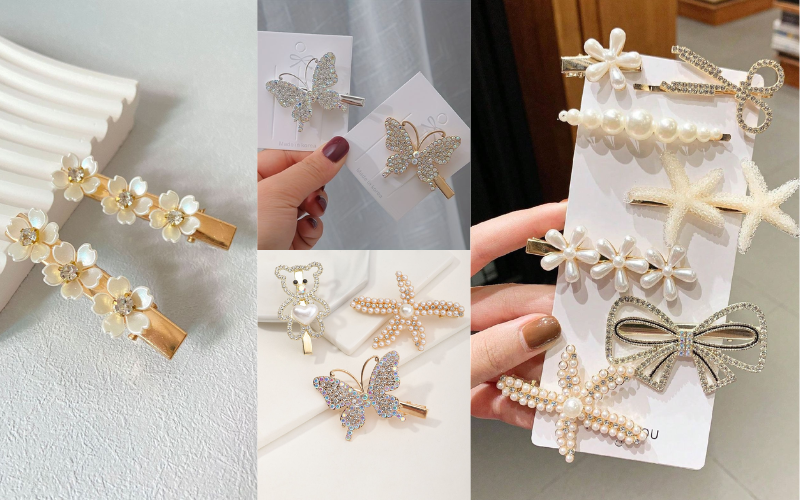
For daily use, hairdressing pins are usually lighter and more flexible. Classic bobby-style pins are common for simple hairstyles and quick fixes. These pins are easy to carry, simple to use, and suitable for light to medium hair. Decorative pins also fall into this category, offering both function and appearance for casual or semi-formal looks.
Everyday hairdressing pins focus more on comfort and ease than heavy-duty hold, making them ideal for regular wear without causing scalp discomfort.
How Hairdressing Pins Support Better Hair Styling Results
Hairdressing pins improve styling results by providing control and stability. When hair is properly secured, stylists can work with accuracy and confidence. Pins help maintain clean sections, which is especially important during cutting or coloring, as uneven sections can lead to uneven results.
For finished styles, hairdressing pins help hold shapes in place longer. They reduce movement caused by natural hair weight or daily activity. This support allows hairstyles to look neat for extended periods without constant touch-ups. Pins also help distribute tension evenly, preventing stress on specific hair strands and reducing breakage.
Choosing the Right Hairdressing Pins for Your Hair Type
Not all hair types respond the same way to the same pin. Choosing hairdressing pins that match hair texture and thickness makes styling easier and more comfortable.
Pins for fine, thin, or slippery hair
Fine or slippery hair often struggles to stay in place. Hairdressing pins with textured surfaces or tighter grips work best in these cases. Lightweight pins that sit close to the scalp help avoid slipping without weighing the hair down. Shorter pins are also useful, as they provide control without excess pressure.
Pins for thick, curly, or heavy hair
Thick or curly hair needs stronger support. Longer and sturdier hairdressing pins offer better hold and prevent styles from loosening. Pins with a firm structure and smooth finish help manage volume while keeping curls intact. Choosing pins that can handle weight without bending is key for lasting results.
Professional vs Home Use Hairdressing Pins
Professional hairdressing pins are designed for frequent use and demanding tasks. They are usually made from stronger materials that resist bending and wear. Their grip is more secure, allowing stylists to work quickly without worrying about pins slipping.
Home-use hairdressing pins focus more on comfort and versatility. They are often lighter and easier to insert and remove. While they may not offer the same level of durability as professional pins, they are suitable for everyday styling needs and casual looks. The main difference lies in performance under pressure, rather than appearance.
Proper Ways to Use and Place Hairdressing Pins
Using hairdressing pins correctly improves comfort and hold. Pins should be inserted in the direction of the hairstyle rather than pushed against the natural flow of hair. Sliding the pin in gently and securing it close to the scalp helps maintain stability without causing pain.
For sectioning, pins should hold hair firmly but not tightly. Avoid placing pins too close to sensitive areas of the scalp. Proper placement ensures the pin stays hidden while doing its job effectively.
Common pin placement mistakes to avoid
One common mistake is using too many pins in one area, which can create discomfort and uneven tension. Another is inserting pins with the wrong side facing the scalp, reducing grip and causing slipping. Forcing pins into tangled hair can also lead to breakage and damage. Taking a moment to place each pin correctly makes a noticeable difference.
Caring for and Replacing Hairdressing Pins Over Time
Hairdressing pins need regular care to stay effective and hygienic. Over time, product buildup from sprays or oils can reduce grip. Cleaning pins occasionally with warm water and gentle soap helps remove residue and keeps them working properly.
Pins should be replaced when they lose shape, develop rough edges, or no longer hold hair securely. Using worn-out hairdressing pins can damage hair and reduce styling quality. Keeping pins clean and organized also makes daily styling more efficient.
Final Thoughts
Hairdressing pins may be small tools, but their impact on styling is significant. From everyday routines to professional salon work, the right hairdressing pins improve control, comfort, and results. By understanding different pin types, choosing options suited to hair texture, and using them correctly, anyone can achieve neater and longer-lasting styles. With proper care and thoughtful use, hairdressing pins remain reliable companions in both simple and advanced hair styling.
FAQs
1. What are hairdressing pins mainly used for?
Hairdressing pins are mainly used to hold, section, and secure hair during styling, cutting, or finishing. They help keep hair in place and improve control.
2. Are hairdressing pins safe for daily hair styling?
Yes, when used correctly, hairdressing pins are safe for daily use. Choosing smooth, well-made pins and placing them properly helps prevent damage or discomfort.
3. Which hairdressing pins work best for thick hair?
Longer and stronger hairdressing pins with firm grip work best for thick hair. They provide better support and help styles last longer.
4. How long do professional hairdressing pins usually last?
With proper care, professional hairdressing pins can last several months or longer. Their lifespan depends on usage frequency and maintenance.