

Introduction
Veneajelu is a Finnish word that simply means a boat ride or boating excursion, but in Finland it carries a much deeper meaning. People search for veneajelu to understand Finnish boating culture, seasonal travel experiences, and the everyday connection between people and water. In a country shaped by lakes, islands, and coastline, veneajelu fits naturally into daily life, leisure time, and national identity.
Understanding What Veneajelu Means in Real Life
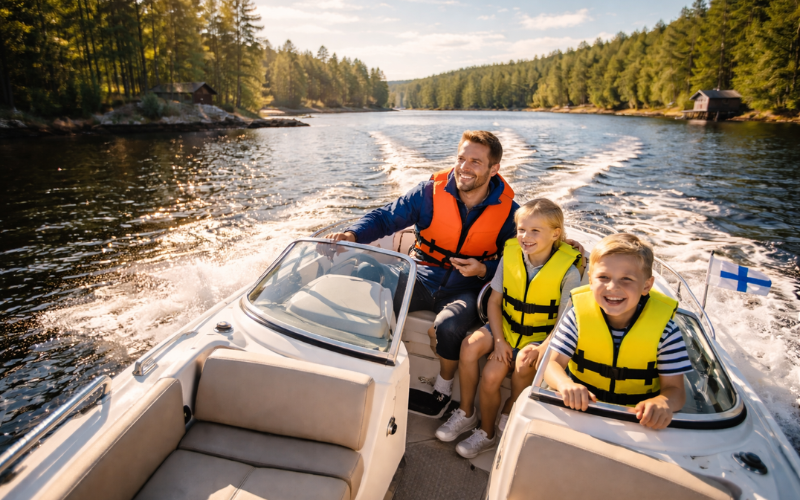
In everyday Finnish use, veneajelu refers to spending time on a boat in a relaxed and unhurried way. It is not about speed, competition, or technical boating skills. Instead, veneajelu focuses on the experience of being on the water, enjoying the surroundings, and sharing time with others. A veneajelu can be a short evening trip on a nearby lake, a slow cruise through an archipelago, or a casual journey to a summer cottage.
What makes veneajelu special is its flexibility. It does not require a fixed plan or destination. For many people, the purpose of veneajelu is simply to be present on the water, to breathe fresh air, and to enjoy a calm moment away from routine. This simplicity is one reason why the term feels familiar and comforting to Finnish speakers and interesting to international readers.
Veneajelu as Part of Finnish Culture and Lifestyle
Veneajelu is closely connected to the Finnish way of life, especially the strong relationship with nature. Finland has thousands of lakes and one of the world’s largest archipelagos, which means water is always nearby. Because of this, boating is not seen as a luxury activity but as a normal and accessible way to spend free time.
Nature shapes the veneajelu experience in a very direct way. Calm waters, forested shores, rocky islands, and wide skies create an environment that encourages slow movement and quiet observation. Many people associate veneajelu with listening to water sounds, watching birds, or seeing the sun reflect on the surface of a lake. These small details are an important part of why veneajelu feels meaningful rather than ordinary.
Veneajelu is also linked to freedom and everyday relaxation. Being on a boat removes many usual boundaries, such as roads, schedules, and noise. People can choose their direction, stop when they want, and enjoy a sense of independence. For Finns, this freedom is not dramatic but peaceful, matching a cultural preference for calm and personal space.
Popular Ways People Enjoy Veneajelu Today
Today, veneajelu is enjoyed in many forms, depending on location, season, and personal preference. Some people prefer quiet solo trips, while others see veneajelu as a social activity shared with family or friends. It is common for people to bring simple food, sit comfortably, and talk while drifting slowly on the water.
Modern veneajelu also reflects changing lifestyles. While traditional rowing boats and small motorboats are still popular, rental services and guided boat trips have made veneajelu easier for visitors and occasional boaters. Despite these changes, the core idea remains the same: spending relaxed time on the water without pressure or performance.
Another important aspect is that veneajelu does not need to be long or expensive. Even a short boat ride after work or on a summer evening can count as veneajelu. This accessibility keeps the tradition alive across different generations and income levels.
Veneajelu in Helsinki and Coastal Areas
In coastal cities like Helsinki, veneajelu is a visible and active part of city life. The city’s location by the sea allows residents and visitors to move quickly from urban streets to open water. Short boat trips between islands, harbors, and waterfront areas are a common form of veneajelu in this setting.
Exploring the archipelago by boat is one of the most memorable veneajelu experiences. The islands vary in size and character, offering quiet nature, historic sites, and seasonal cafés. Even a simple boat ride between nearby islands can feel like a small escape from city life.
Social and leisure-based veneajelu experiences are also common in coastal areas. Group outings, casual celebrations, and shared sunset trips are all examples of how veneajelu supports social connection. In some cases, people combine veneajelu with other cultural activities, such as sauna visits or shared meals, creating a balanced mix of movement and rest.
Best Time of Year for Veneajelu in Finland
The best time for veneajelu in Finland generally falls between late spring and early autumn. From May to September, water conditions are calmer, temperatures are more comfortable, and daylight hours are long. These months offer the most pleasant environment for spending time on the water.
Seasonal differences play an important role in shaping veneajelu. Early summer brings fresh greenery and quiet waters, while mid-summer offers warm evenings and extended daylight. Late summer and early autumn create a more peaceful atmosphere, with fewer boats and softer light.
Daylight, weather, and comfort are key considerations. Finland’s long summer days allow veneajelu late into the evening, sometimes without the need for artificial light. Weather can change quickly, so people usually plan with flexibility rather than fixed schedules. This adaptability is part of the veneajelu mindset.
Safety Rules and Practical Guidelines for Veneajelu
Safety is an essential part of veneajelu, even though the activity itself is relaxed. Finnish law requires that lifejackets or flotation devices are available for every passenger on board. This rule applies regardless of trip length or swimming ability and reflects a strong national focus on personal responsibility.
Lifejackets and passenger safety are taken seriously, especially because water temperatures can remain cool even in summer. Wearing or carrying proper safety equipment allows people to enjoy veneajelu without unnecessary risk.
Licensing rules for small boats are generally simple. Many rental boats and personal boats under certain size and power limits do not require a special license. This makes veneajelu accessible while still encouraging safe and respectful behavior on the water. People are expected to understand basic rules, watch weather conditions, and respect other water users.
Why Veneajelu Still Attracts Modern Travelers and Locals
Veneajelu continues to attract both locals and travelers because it offers something increasingly rare: unstructured time in nature. In a fast-paced world, veneajelu provides a way to slow down without planning or performance.
For locals, veneajelu remains a familiar and comforting habit that connects them to childhood memories, family traditions, and seasonal rhythms. For travelers, it offers an authentic way to experience Finnish culture beyond landmarks and schedules.
The appeal of veneajelu lies in its balance. It is simple but meaningful, quiet but social, and personal yet shared. These qualities ensure that veneajelu remains relevant even as lifestyles and travel habits change.
Conclusion
Veneajelu is more than just a boat ride. It reflects Finland’s close relationship with water, nature, and quiet enjoyment. Whether experienced on a city shoreline or a remote lake, veneajelu offers a simple and meaningful way to relax, connect, and slow down. Its lasting appeal comes from its accessibility, cultural depth, and timeless connection to the Finnish landscape.
FAQs
1. What does veneajelu mean in Finnish?
Veneajelu means a boat ride or boating excursion. It usually refers to a relaxed and enjoyable time spent on the water rather than a technical or competitive activity.
2. When is the best time for veneajelu in Finland?
The best time for veneajelu is from May to September. June through August are especially popular because of warm weather and long daylight hours.
3. Do you need a license for veneajelu?
In many cases, no special license is required for small boats under certain size and power limits. Rules may vary depending on the boat type, so it is always good to check local guidance.
4. Is veneajelu only for tourists or also locals?
Veneajelu is enjoyed by both locals and tourists. For Finns, it is part of everyday leisure life, while visitors often see it as a way to experience Finnish nature and culture.