

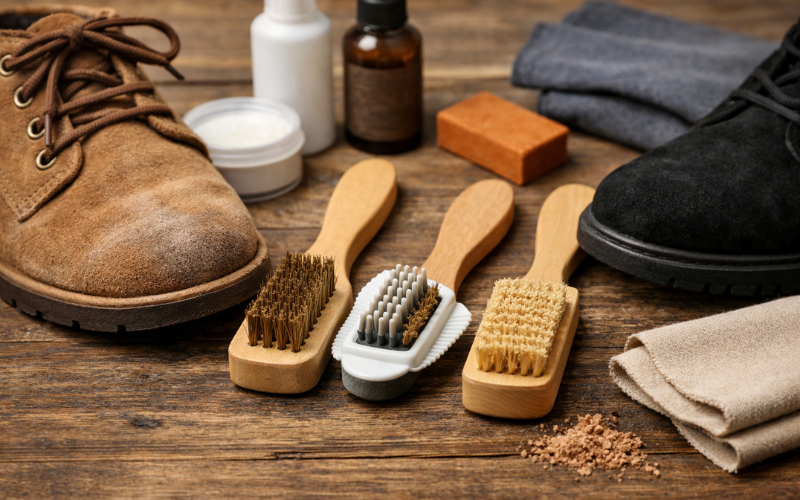
Introduction
Suede shoes look great, but they can be tricky to keep clean. The soft, “velvety” surface that makes suede special also makes it easy to mark, flatten, or scuff. That’s why a suede brush for cleaning shoes is not just a nice extra—it’s one of the safest and most effective tools you can own for suede care. In this guide, you’ll learn why suede needs a special brush, which brush types do what, and how to clean suede shoes in a way that keeps them looking fresh without harming the material.
Why Suede Requires a Specialized Cleaning Brush
Suede is made from the underside of animal hide, which gives it a soft surface with tiny fibers. Those fibers create what people call the “nap.” The nap is what gives suede its rich look, but it’s also what makes it sensitive. Smooth leather has a sealed, flatter surface, so wiping it clean is often enough. Suede is different because dirt and stains can settle into the fibers, and the fibers can get pressed down or rubbed the wrong way.
This is where a suede brush for cleaning shoes matters. A proper suede brush is designed to lift and separate the fibers gently. Instead of simply moving dirt around, it helps loosen debris and restore texture. Ordinary brushes can be too rough or too stiff, and cloths can press dirt deeper into the nap. Even paper towels can leave lint behind and make the surface look patchy.
Another issue is that suede shows pressure marks more easily than smooth leather. If you scrub suede the way you might scrub a sneaker, you can end up with shiny spots or flattened areas that never quite look the same again. A specialized brush helps you clean with control, using the right level of friction and a safer surface for the material.
Types of Suede Brush for Cleaning Shoes and How They Work
Not all suede brushes are the same. Many people buy the first one they see, but different brush materials handle different problems. Knowing the options helps you choose a brush that matches your shoes and the kind of dirt you usually deal with.
Crepe Rubber Brushes
A crepe rubber brush looks and feels like a firm rubber block. It’s often one of the safest choices for regular cleaning because it’s gentle. Instead of sharp bristles, it grips surface dirt and lifts it as you rub lightly. A crepe brush is especially useful for light dust, dry dirt, and general maintenance.
If your suede shoes mainly collect everyday dust or you want a safe tool for frequent care, crepe rubber is a strong option. It’s also helpful for bringing back the suede’s soft look after the nap starts to look flat. It may not be powerful enough for stubborn stains, but it’s a great first step before using anything more aggressive.
Brass or Wire Bristle Brushes
Brass or wire brushes are designed for tougher jobs. They can lift deeper dirt and help with areas that look shiny, matted, or heavily worn. These brushes work by combing through the fibers more strongly than rubber or nylon.
That strength is also the risk. On delicate suede, wire can leave scratch-like marks or rough patches if you press too hard. Wire brushes are best used with a very light touch, and they’re usually more suitable for durable suede rather than very soft or thin suede. If you choose a wire option, the key is control. A suede brush for cleaning shoes should help, not harm, and wire brushes require more care than other types.
Combination Suede Brushes
Combination brushes are common because they try to cover multiple needs in one tool. They often include a rubber side for gentle cleaning and a wire or nylon side for tougher spots. Some also include a small edge cleaner for seams or hard-to-reach areas.
These can be a good choice if you want one brush for most situations, especially if you own more than one pair of suede shoes. A combination brush also makes it easier to follow a safe cleaning routine: start with the gentlest side, and only move to the stronger side if needed.
Nylon Bristle Brushes
Nylon brushes sit in the middle between crepe rubber and wire. They are firmer than rubber and can lift dirt effectively, but they are usually safer than metal bristles for many suede types. Nylon is a good option for regular cleaning when you need more cleaning power than crepe rubber can offer.
A nylon suede brush for cleaning shoes can also help restore the nap after cleaning, especially if the suede looks slightly flattened. It’s often a smart choice if you’re nervous about wire bristles but still want a brush that feels “real” and effective.
How to Choose the Best Suede Brush for Cleaning Shoes
Choosing the right brush isn’t about finding the “best” brush in general. It’s about finding the best brush for your shoes and your cleaning habits. The goal is to remove dirt while keeping the suede looking even and natural.
When your shoes only have light dirt or dust, a crepe rubber brush or a soft nylon brush is usually enough. These are safer for frequent use and less likely to change the look of the nap. If your shoes often get muddy, show scuffs, or have shiny patches from wear, you may need a brush with stronger bristles, such as a wire or combination brush. In that case, it’s better to use the stronger side only on problem spots rather than brushing the whole shoe aggressively.
Suede type matters too. Some shoes labeled as “suede” may actually be nubuck, which is similar but has a finer, more even texture. Nubuck is often a bit more uniform and can be easier to mark if you use a rough brush. For nubuck or very soft suede, start with rubber or nylon. For thicker suede, a wire brush can help if used carefully. If the shoes have a delicate finish, or if they are lighter in color, any harsh brushing can create visible texture differences, so gentler tools become even more important.
Comfort and build quality are easy to overlook, but they matter. A brush with a solid handle and good grip gives you better control, which helps prevent accidental damage. A flimsy brush may cause uneven pressure, and uneven pressure is one of the fastest ways to make suede look patchy. Durability also counts. A suede brush for cleaning shoes should last, and the bristles should stay firm without falling out or bending quickly.
Step-by-Step Guide to Using a Suede Brush for Cleaning Shoes Properly
Cleaning suede is mostly about patience and gentle technique. If you rush, you’ll push dirt deeper or flatten the nap. If you go slowly, you can often fix dull-looking suede in just a few minutes.
Preparing the Shoes Before Brushing
Start by making sure the shoes are completely dry. Suede is easiest to brush when it’s dry because the fibers separate better and dirt loosens more easily. If your shoes are wet, let them air-dry at room temperature. Avoid direct heat, because heat can stiffen suede and cause warping.
Once dry, tap the soles together lightly or use your hand to knock off loose dirt. This small step keeps you from rubbing gritty dirt across the surface while brushing. If you see dried mud, gently crumble it off with a soft edge or your fingers first. Your brush will work better when it’s dealing with fine dirt rather than thick clumps.
Correct Brushing Direction and Pressure
With your suede brush for cleaning shoes, begin with light strokes in one direction. This is important because brushing in random directions can make suede look uneven. Gentle, steady brushing lifts dust and aligns the nap.
If you notice a stain or scuff, don’t immediately scrub hard. Instead, brush lightly back and forth over that area using minimal pressure. If you’re using a combination brush, start with the gentlest side. Only move to the firmer bristles if the mark stays.
A helpful way to think about pressure is this: you want the brush to do the work, not your hand. If you feel like you need to push hard, it usually means you should switch technique or use a more suitable brush type, not force it. The safest approach is gradual improvement rather than quick scrubbing.
Restoring the Nap After Cleaning
After you’ve removed dirt, the suede may look a little flat, especially in areas that get touched often, like the toe box. Restoring the nap is part of what makes suede look “new” again. Use lighter strokes to lift the fibers. If you used a rubber brush earlier, you may now use nylon to gently fluff the surface, depending on the suede type.
Sometimes, suede looks darker in spots after cleaning, even when it’s dry. Often, that’s just the nap lying differently. A final gentle brush in one direction can help even out the color and texture.
Common Mistakes to Avoid When Brushing Suede Shoes
Many suede problems come from the way people clean, not from the dirt itself. Avoiding a few common mistakes can keep your shoes looking better for much longer.
Over-brushing is one of the biggest issues. Brushing too long or too hard can wear down the fibers, making suede look thin or smooth in places. Suede should look soft and slightly textured, not shiny and flat. If you keep brushing aggressively, you can remove too much of that surface texture.
Using the wrong brush type is another common mistake. A wire brush can be useful, but if your suede is soft or delicate, it can create damage that is hard to hide. On the other hand, using only a soft brush for heavy stains can lead to frustration, and then people start scrubbing harder. Matching the brush to the problem helps you keep pressure low and results high.
Brushing wet suede is also risky. When suede is wet, the fibers can clump and change shape. Brushing at that stage can lead to uneven texture and visible marks. Always let suede dry fully before you use a suede brush for cleaning shoes, even if you’re tempted to fix the problem quickly.
How Often Should You Use a Suede Brush on Shoes?
How often you should brush depends on how often you wear the shoes and where you wear them. Suede does best with small, regular care instead of occasional harsh cleaning.
For everyday wear, a light brushing every few wears is usually enough, especially if you notice dust building up. This kind of routine brushing keeps dirt from settling deep into the fibers and helps the nap stay neat. It’s a simple habit that can make suede look cleaner even before any stains appear.
Deep cleaning is different. You don’t need to deep clean often unless the shoes are exposed to mud, spills, or heavy dirt. Deep cleaning usually involves more focused brushing on problem areas, sometimes with a suede cleaner. Even then, you want to stay gentle. The goal is to lift dirt out, not grind it in.
Light touch-ups can be done more often than you think. If you see a small scuff, a quick, gentle brush might fix it immediately. Waiting too long can let oils and dirt settle, making the mark harder to remove later.
Caring for Your Suede Brush to Make It Last Longer
A brush works best when it’s clean. If the brush is full of dirt from past cleanings, you can end up spreading grime back onto the suede. Keeping the brush itself in good shape is part of good shoe care.
To clean the bristles, remove loose dirt by tapping the brush lightly or brushing it against a clean cloth. For nylon brushes, you can sometimes rinse the bristles quickly and let them dry fully, but make sure the brush is completely dry before using it again. For crepe rubber brushes, you can often remove buildup by rubbing it gently with a clean surface to pull out trapped dirt.
Storage matters too. Keep your suede brush in a clean, dry place, away from dust. Some people store it in the same box as their shoes, which can work well if the box is clean. The idea is to prevent the brush from collecting extra dirt that ends up on your shoes later.
Knowing when to replace your brush is also important. If bristles are bent, uneven, or falling out, the brush can apply uneven pressure. That can lead to patchy suede. A worn-out brush may still remove dirt, but it may not restore the nap as well, which is a key reason you use a suede brush for cleaning shoes in the first place.
Conclusion
Suede doesn’t have to be stressful to maintain. With the right approach and a suede brush for cleaning shoes, you can remove dirt, improve the look of the nap, and keep your shoes looking sharp for longer. The key is choosing a brush that suits your suede type, brushing gently when shoes are dry, and building a simple routine instead of waiting for heavy stains. When you treat suede with care and consistency, it rewards you with that clean, rich texture that makes it worth wearing in the first place.
FAQs
1. Can I use a regular shoe brush instead of a suede brush for cleaning shoes?
It’s not a good idea. Regular shoe brushes are often made for smooth leather and can be too harsh for suede. They may flatten the nap or leave rough marks. A suede brush is designed to lift and protect the fibers, which is exactly what suede needs.
2. Is a wire suede brush safe for delicate suede?
It can be safe if used very lightly, but it’s not the first choice for delicate suede. For soft or thin suede, a crepe rubber brush or nylon brush is usually safer. If you do use wire, test it gently on a less visible area first and avoid heavy pressure.
3. How do I restore flattened suede after brushing?
Flattened suede is often caused by pressure and wear. Gentle brushing in one direction can help lift the fibers. If the nap is stubborn, a slightly firmer brush, used carefully, may help. The key is patience and light pressure rather than force.
4. Should I use a suede brush before or after applying suede cleaner?
In most cases, brush first to remove loose dirt. Then, if you’re using a suede cleaner, apply it as directed and let the shoes dry completely. After drying, brush again to restore the nap and bring back the soft look.