

Introduction
Choosing between a taper vs fade isn’t just about trending barber terms—it directly changes how your haircut looks, how sharp the edges appear, and how often you’ll need a cleanup. A taper keeps things subtle and natural around the hairline, while a fade creates a stronger blend that can drop down to the scalp for a high-contrast finish. In this guide, you’ll get a clear, real-world breakdown of taper vs fade, including how each style looks, who it suits best, and how to ask your barber for exactly what you want.
Understanding the Basics of Taper vs Fade
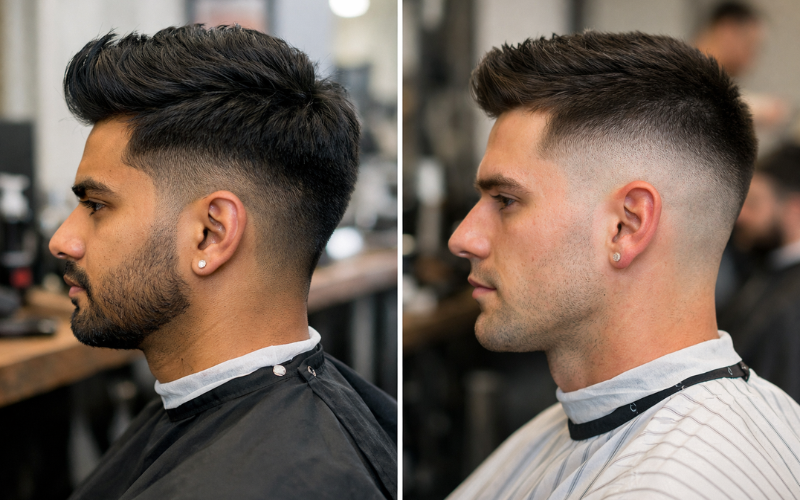
A taper is a gentle, gradual shortening of hair as it approaches the natural hairline. The key detail is that a taper usually leaves some hair at the edges. The sideburns and neckline look cleaner and tighter, but the haircut still keeps a natural finish. Many barbers describe a taper as “neat” rather than “sharp,” and it’s a common choice for people who want a classic style that doesn’t draw too much attention.
A fade is a stronger blend that usually takes the hair much shorter and can go all the way down to the skin. That’s why people often call it a skin fade or bald fade when the lowest part is shaved. The transition is still blended, but the contrast is more obvious. In a fade, the hairline looks like it “disappears” into the skin, which creates a clean, bold look.
In modern barbershops, both tapers and fades are everyday requests. A taper is often paired with business-friendly styles, longer tops, or more traditional cuts. A fade is often paired with sharper styles, modern shapes, and a more dramatic finish. Neither is “better” in general—it depends on the look you want and how often you want to maintain it.
The Key Differences Between a Taper and a Fade
When people compare taper vs fade, they’re usually talking about three things: the blending style, the finish near the hairline, and where the blending happens.
Blending and Transition Style
The blending in a taper is usually softer and more gradual. It quietly reduces the length as it moves down the sideburns and neckline. Because it’s subtle, a taper can look very natural even when it’s freshly cut.
The blending in a fade is more noticeable because it typically moves from longer hair to very short hair faster. Even when a fade is blended perfectly, it still creates a more “defined” change. That is why fades often look sharper in photos and stand out more in person.
Scalp Exposure and Finish
This is the biggest visual difference in taper vs fade. A taper keeps hair at the hairline. The edges are short, but not usually shaved to the skin. Because more hair remains, the overall look can feel fuller and softer at the bottom.
A fade often shows more scalp, especially in a low skin fade, mid fade, or high fade. When the fade goes down to the skin, it creates a strong clean finish that looks crisp and modern. This scalp exposure is exactly what gives a fade its high-contrast style.
Placement Around the Head
A taper is usually focused on specific areas: the sideburns and the neckline. Some people also ask for a taper around the temples, especially if they want a clean outline without committing to a full fade.
A fade usually wraps more fully around the head. Even a low fade tends to travel across the sides and back, shaping the whole perimeter. That’s why fades can change the overall silhouette of the haircut more dramatically than a taper.
How Each Cut Looks in Real Life
A taper gives a polished, classic appearance. It’s noticeable enough to look tidy, but subtle enough that it doesn’t dominate your style. Because it keeps hair at the edges, a taper often blends nicely with natural growth and can look good even as it grows out. Many people like a taper because it feels professional and clean without looking too edgy.
A fade looks sharper and more modern. It can make the haircut feel “fresh” even if the top is simple. Because the sides are taken shorter, the fade can highlight the shape of the head and make the top stand out more. A fade can also look more “designed,” especially when paired with a crisp line-up or a very structured style.
The other real-life difference is how these cuts look after a couple of weeks. A taper tends to stay presentable longer because the change is subtle. A fade can start to lose its crispness sooner because that clean transition is part of the style. Once hair grows at the bottom, the contrast changes and the fade can look less defined.
Maintenance, Upkeep, and Barber Visits
A taper is usually lower maintenance. Since it doesn’t rely on a dramatic shift down to the skin, it grows out more smoothly. Many people can go about four to six weeks between cuts, depending on how fast their hair grows and how sharp they want the edges to stay.
A fade is typically higher maintenance, especially if it goes down to the skin. A clean skin fade looks best when the bottom stays very short and the blend stays tight. For many people, that means a touch-up every two to three weeks, sometimes even sooner if they like the look extremely sharp.
This doesn’t mean a fade is “hard” to maintain—it just requires more frequent upkeep if you want it to look like it does on day one. If you prefer a haircut that still looks neat after several weeks, a taper often fits better. If you love the fresh, crisp look and don’t mind regular visits, a fade can be worth it.
Face Shape and Hair Type Considerations
A fade removes more bulk from the sides, which can make the face look longer and slimmer in some cases. That’s one reason many people with rounder face shapes like fades—they can create a more stretched, vertical look, especially when the top has some height. A high fade, in particular, can create a strong shape, but it can also feel intense if you’re not used to short sides.
A taper keeps more hair on the sides and around the edges. That can create a softer, more balanced look, and it can work well for people who want a natural outline. Tapers are also a popular choice if you want the haircut to blend into your natural hairline without showing too much scalp.
Hair type matters too. Thick hair often looks great with either option, because the hair can hold shape easily. Curly hair can look excellent with a fade because the contrast makes the curls on top stand out. Straight hair can look clean with both, but a fade may show every detail more clearly, so the blend needs to be done carefully.
Best Option for Professional Settings
If your goal is an office-friendly haircut that looks neat without looking too bold, a taper is often the safer choice. In the taper vs fade comparison, tapers usually feel more classic and less dramatic. They keep a natural hairline look and work well with traditional styles. They’re also easier to grow out without looking “unfinished,” which can be helpful if you can’t visit the barber often.
That said, plenty of people wear fades in professional settings too, especially low fades or subtle fades that don’t go extremely high. The key is choosing a version that fits your workplace culture and your personal comfort level.
Best Option for Trendy or Athletic Styles
If you like a sharper, modern look, fades tend to fit that style better. In taper vs fade terms, fades create more contrast and a cleaner outline, which pairs well with sporty or trendy hairstyles. A fade can also make the haircut look more structured and fresh, especially when combined with short sides and a styled top.
Athletic and active lifestyles can also benefit from a fade because it feels clean and cool around the sides, but it does require more frequent cleanups if you want it to stay crisp.
What Is a Taper Fade and Why People Mix the Terms
Technically, a taper fade can be understood as a hybrid idea: it uses tapering in the sense of gradually shortening hair, but it blends down more aggressively—sometimes down to the skin—like a fade. In everyday conversation, many people say “taper fade” when they really mean a fade that isn’t extremely high, or a fade that looks more natural.
This is why clear communication matters more than perfect terminology. If you tell a barber “taper fade,” they may ask follow-up questions like how low you want it, whether you want skin at the bottom, and how tight you want the sides. If you want to avoid misunderstandings, it helps to describe what you want in plain terms: whether you want hair left at the hairline or you want it blended into the skin, and whether you want the blending only at the sideburns and neckline or around the whole head.
Choosing Between Taper vs Fade for Your Next Haircut
Choose a taper if you want something subtle, classic, and easy to maintain. A taper can look clean without changing your overall appearance too much. It’s also a strong choice if you want a haircut that grows out smoothly, or if you prefer keeping a natural-looking hairline at the edges.
Choose a fade if you want a sharper, more modern look with stronger contrast. A fade will make the sides look tighter, make the top stand out more, and give the haircut a fresh finish. It’s a great choice if you like that crisp “just cut” look and you don’t mind returning for touch-ups more often.
Another helpful way to decide is to think about how bold you want the haircut to feel. In the taper vs fade comparison, a taper is usually a quieter change, while a fade is more noticeable. If you’re trying a new style for the first time, many people start with a low fade or a taper and then go shorter later if they like the look.
Also consider your hairline and scalp comfort. If you don’t like showing scalp around the sides or you have sensitive skin, you may prefer a taper or a fade that doesn’t go all the way to skin. If you love a super clean finish, a skin fade might be exactly what you want.
Final Thoughts
The choice between taper vs fade is really about contrast, finish, and maintenance. A taper keeps things subtle and natural at the edges, while a fade creates a sharper transition that can blend down to the skin. Both styles can look clean and modern when done well, and both can be adjusted to match your comfort level.
If you want a haircut that stays neat longer and feels classic, a taper is a strong pick. If you want a bold, fresh look with tight sides and clear definition, a fade may suit you better. Whichever you choose, the best results come from clear communication with your barber—describe how short you want the sides, whether you want skin at the bottom, and how noticeable you want the blend to be.
FAQs
1. What lasts longer a taper or a fade?
A taper usually lasts longer in terms of still looking neat as it grows out. Because the change is subtle, a taper can remain presentable for several weeks. A fade can look less sharp sooner because the clean contrast is part of the style, and growth changes that contrast quickly.
2. Is a taper more professional than a fade?
In general, a taper is considered more classic and conservative, which can fit professional settings easily. A fade can also be professional, especially if it’s a low fade and not extremely high or dramatic. The best option depends on your workplace and how bold you want your haircut to look.
3. Does a fade make hair look thinner?
It can, depending on your hair density and the type of fade. Because a fade shows more scalp at the bottom, it can create the impression of less hair in that area. If you’re concerned about thinning, a taper or a less aggressive fade may help keep a fuller look around the sides.
4. Can you combine a taper and a fade in one haircut?
Yes. Many modern cuts blend concepts together, which is why terms can get confusing. You can have tapering at the sideburns and neckline with a more blended fade effect around the sides, depending on how your barber designs the cut. The best approach is to describe the finish you want—natural hairline versus skin, and subtle versus high-contrast.