

Introduction
If you’re wondering why your tongue is white, you’re not alone. A white coating on the tongue is very common and usually harmless. Most of the time, it happens because tiny bits of debris and germs collect on the tongue’s surface. But in some cases, a white tongue can point to an infection, irritation, or another health issue that needs attention.
What a White Tongue Actually Means
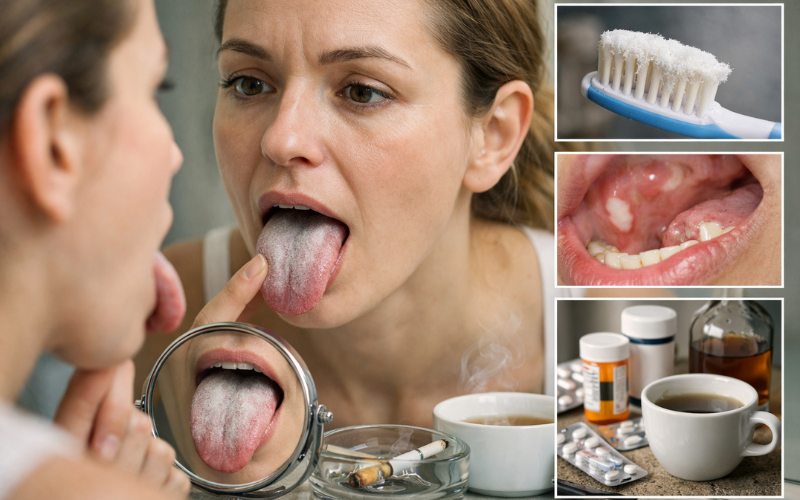
A “white tongue” usually describes a tongue that looks coated, pale, or patchy white. In many people, it’s not the tongue itself changing color. Instead, it’s a thin layer sitting on top.
Your tongue is covered with tiny bumps called papillae. These bumps help you sense taste and texture, but they also create little spaces where things can get trapped. When dead cells, food particles, and bacteria collect between the papillae, your tongue can look white, fuzzy, or coated. This is why a white tongue often shows up when your mouth is dry or when your oral hygiene routine is inconsistent.
It’s also important to understand the difference between a temporary coating and a medical problem. A simple coating often improves quickly with better tongue cleaning and hydration. Medical conditions are more likely to cause thicker patches, soreness, or changes that don’t improve after a couple of weeks, or areas that can’t be gently wiped away. Cleveland Clinic notes that white tongue is usually temporary, but it’s worth checking if it lasts more than a few weeks or comes with pain or trouble eating or talking.
Common Everyday Reasons Your Tongue Looks White
Poor oral hygiene is one of the most common reasons. Even if you brush your teeth, the tongue can still hold onto bacteria and debris. When the tongue isn’t cleaned, that buildup becomes more noticeable, especially near the back of the tongue.
Dehydration and dry mouth are another big cause. Saliva helps rinse the mouth naturally. When you’re not drinking enough water, when you’re sick, or when you’ve been sleeping with your mouth open, saliva levels can drop and the coating can form more easily. Dry mouth can also happen during fasting, after heavy exercise, or from heated indoor air.
Smoking, vaping, and alcohol can make a white tongue more likely by drying out and irritating the mouth. They can also change the balance of bacteria in the mouth over time. If you’ve noticed a white coating that shows up more often when you smoke or drink, that pattern matters.
Mouth breathing, especially while sleeping, can dry out the tongue’s surface overnight. Some people wake up with a white tongue that improves later in the day after drinking water and eating.
Recent illness or fever can also trigger a white coating. When you’re unwell, you may breathe through your mouth more, drink less, or take medications that reduce saliva. All of these can make the tongue look whiter than usual for a short time.
Medical Conditions That Can Cause a White Tongue
Oral thrush is a yeast infection in the mouth, usually caused by an overgrowth of Candida. It can look like creamy white patches and may feel sore or cottony. Some people notice a change in taste or mild burning, especially when eating spicy or acidic foods. Thrush is more likely after antibiotics, with inhaled steroid use, in people with dentures, and in people with diabetes or weakened immunity. Mayo Clinic lists oral thrush and antibiotic use among possible causes of white tongue changes.
Leukoplakia is a term for thicker white patches that form due to irritation or cell changes in the lining of the mouth. These patches often don’t scrape off easily. Tobacco use is a well-known risk factor, and heavy alcohol use can increase risk as well, especially when combined with tobacco. Not every white patch is leukoplakia, but a patch that persists, especially if it feels thick or looks raised, should be checked by a dentist or doctor.
Oral lichen planus is an ongoing inflammatory condition that can create white, lace-like lines or patches inside the mouth, including on the tongue. Some people have no discomfort, while others feel burning or irritation. Mayo Clinic describes oral lichen planus as a chronic inflammatory condition affecting the mouth’s lining.
Geographic tongue is a harmless condition where parts of the tongue lose papillae in irregular patches. This can create smooth red areas with lighter borders, giving a map-like look. It may come and go, and some people feel sensitivity with certain foods. Mayo Clinic describes it as an inflammatory but harmless condition affecting the tongue’s surface.
The key takeaway is this: a medical cause is more likely when the appearance is patchy and persistent, comes with pain or burning, or doesn’t improve with basic care.
Could Medications Be the Reason?
Antibiotics can change the balance of bacteria in the mouth. When normal bacteria levels drop, yeast can grow more easily, which can lead to oral thrush and a white, patchy look. Mayo Clinic specifically lists long-term antibiotic use as a factor that may bring on an oral yeast infection and white tongue changes.
Antihistamines can cause dry mouth in some people. Less saliva means less natural cleaning, which makes coating more likely.
Other medications can also reduce saliva, including some antidepressants, blood pressure medicines, and decongestants. Even if the tongue coating isn’t dangerous, medication-related dry mouth can increase the risk of cavities and gum problems over time, so it’s worth taking seriously.
If you suspect a medication link, don’t stop a prescription on your own. Instead, consider discussing options with a pharmacist or clinician, such as adjusting timing, dose, or using strategies to manage dry mouth.
When a White Tongue Is a Sign You Should See a Doctor
If the white coating lasts longer than about two to three weeks, it’s time to speak with a dentist or doctor. Cleveland Clinic advises seeing a healthcare provider if it lasts longer than a few weeks, especially if you have pain or problems eating or talking. The NHS also recommends seeing a GP or dentist if you have ongoing tongue symptoms or white patches.
Pain, burning, or bleeding are not “just coating” for many people. Irritation can happen for simple reasons, but persistent discomfort deserves a proper look.
Difficulty swallowing, speaking, or chewing is another red flag. These symptoms can suggest more than surface buildup and should be evaluated.
Thick patches that cannot be scraped off are especially important. Leukoplakia, for example, is known for patches that don’t rub away the way a simple coating might. MD Anderson notes that leukoplakia can’t be scraped off, which is one reason persistent patches should be assessed professionally.
Also consider your personal risk factors. If you use tobacco or drink heavily, or if you have a weakened immune system, it’s better to check sooner rather than later.
How to Get Rid of a White Tongue at Home
Start with gentle tongue cleaning. You can use a soft toothbrush or a tongue scraper, but the key word is gentle. Scrubbing too hard can irritate the tongue and make things worse. Many people do best by cleaning from back to front lightly, rinsing after, and repeating once or twice. If you gag easily, focus on the middle area and gradually work backward over time.
Hydration matters more than people think. When your mouth stays moist, it naturally washes away debris. If you often wake up with a white tongue, drinking water during the day and limiting drying habits at night can help. Some people also find that using a humidifier in dry seasons reduces morning coating, especially if they sleep with their mouth open.
Diet can support a cleaner tongue surface. Crunchy fruits and vegetables can help remove some buildup as you chew, and they can encourage saliva flow. If your tongue is irritated, it may also help to reduce very spicy, acidic, or extremely hot foods for a few days.
Finally, strengthen your overall oral hygiene habits. Brushing twice daily, flossing, and cleaning the tongue consistently usually makes the biggest difference. If your mouth feels very dry, sugar-free gum can help stimulate saliva, and avoiding excessive caffeine or alcohol may reduce dryness for some people.
Preventing a White Tongue in the Future
A daily oral care routine that includes tongue cleaning is one of the simplest long-term fixes. Many people brush teeth well but ignore the tongue, which is exactly where coating likes to build.
Hydration habits also matter. If you routinely drink very little water, have frequent dry mouth, or consume a lot of caffeine or alcohol, your tongue may keep turning white again and again. Small changes, like keeping a water bottle nearby or drinking water after coffee, can make a noticeable difference.
Lifestyle adjustments can also help. If you smoke or vape, cutting back or stopping can reduce irritation and dryness in the mouth over time. If mouth breathing is the issue, it can help to address nasal congestion, allergies, or sleep habits that lead to open-mouth breathing.
Regular dental check-ups are important because a professional can spot patterns you might miss, like chronic irritation, signs of thrush, or patches that need monitoring.
Conclusion
If you’ve been asking why is my tongue white, the most common answer is simple: a temporary coating caused by trapped debris, bacteria, and dry mouth. In many cases, gentle tongue cleaning, better hydration, and consistent oral care can clear it up. The most important thing is to notice the pattern. If your white tongue is persistent, painful, hard to scrape off, or comes with trouble swallowing or speaking, don’t ignore it—getting a professional opinion is the safest next step.
FAQs
1. Why is my tongue white even though I brush my teeth?
This often happens because the tongue isn’t being cleaned directly, or because your mouth is dry. The tongue’s surface can trap debris even when teeth are clean. Adding gentle tongue cleaning and improving hydration usually helps. If it doesn’t improve after a couple of weeks, consider a dental check.
2. Can dehydration cause a white tongue?
Yes. When you’re dehydrated, saliva decreases, and the mouth doesn’t rinse itself as well. That makes it easier for bacteria and debris to build up on the tongue. Increasing fluids and addressing dry mouth triggers often improves the coating.
3. Is a white tongue a sign of a serious disease?
Most of the time, no. A white tongue is usually temporary and linked to coating. But persistent patches, especially those that don’t scrape off, or a white tongue with pain or difficulty eating or talking, should be checked to rule out issues like thrush or leukoplakia.
4. How long should a white tongue last before I worry?
If it lasts longer than two to three weeks, or if you have pain, bleeding, or trouble swallowing, it’s time to see a dentist or doctor. Cleveland Clinic advises evaluation if it lasts more than a few weeks, and the NHS recommends getting checked for ongoing symptoms or white patches.