

Introduction
A matcha whisk, often called a chasen, is a small bamboo tool designed specifically to mix powdered green tea with water. At first glance it may seem like a simple accessory, but in reality it plays a central role in how matcha looks, tastes, and feels when you drink it. Unlike regular tea leaves, matcha is a fine powder that must be fully suspended in water, and without the right tool it can easily clump or taste uneven.
Using a proper matcha whisk matters because it helps create the smooth texture and light foam that define authentic matcha. This gentle foam softens the drink’s bitterness, highlights its natural sweetness, and gives it a creamy mouthfeel without adding milk. The whisk also influences the ritual of preparation. Many people enjoy the calm, focused movement of whisking matcha by hand, which turns a simple drink into a mindful moment.
What a Matcha Whisk Is and Why It’s Essential for Proper Matcha Preparation
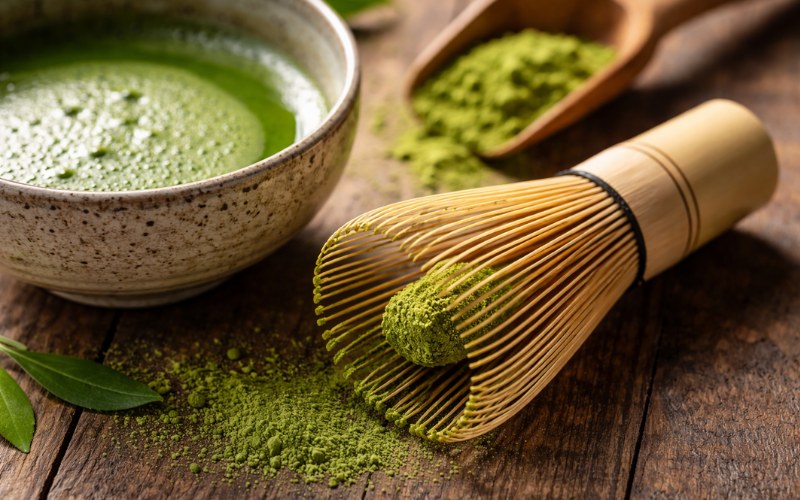
A matcha whisk is crafted from a single piece of bamboo that is split into many thin prongs. These flexible tines are shaped to move quickly through water, breaking up clumps of powder and mixing the tea evenly. This design is not accidental. It developed over centuries as part of the Japanese tea ceremony, where the preparation of matcha is considered just as important as drinking it.
The reason a matcha whisk is essential is that matcha does not dissolve like instant coffee. Instead, the powder needs to be suspended in the liquid. Stirring with a spoon usually leaves lumps behind, which can create a gritty texture and uneven flavor. A proper whisk spreads the particles throughout the water, producing a balanced drink with a smooth finish.
How the Bamboo Matcha Whisk Works to Create Smooth Microfoam
When you whisk matcha correctly, the bamboo prongs trap tiny pockets of air in the liquid. This creates a fine, creamy foam known as microfoam. Unlike large bubbles that quickly disappear, this foam is soft and stable, sitting gently on top of the tea.
The secret lies in the number and flexibility of the prongs. As they move back and forth through the tea, they both mix the powder and introduce air. This combination produces a smooth, light surface that enhances the drinking experience. The foam also softens the strong grassy notes of matcha and spreads its umami flavor more evenly across the palate.
Without this step, matcha can taste sharper and feel heavier in the mouth. The bamboo matcha whisk therefore acts as both a mixing tool and a texture enhancer, shaping the final cup in a subtle but important way.
Different Types of Matcha Whisks and What Their Prong Counts Mean
Not all matcha whisks are identical. One of the main differences is the number of prongs, which affects how the whisk performs. Whisks with around eighty prongs are often considered versatile and beginner friendly. They are strong enough to mix thicker matcha and still produce a pleasant foam.
Whisks with one hundred or more prongs tend to create finer foam more quickly. These are often preferred for ceremonial-grade matcha or for those who want a particularly smooth texture. The extra tines allow more air to be incorporated, which helps achieve a velvety finish.
Some whisks are also made from darker bamboo, which can be slightly more flexible and durable. While the color does not change the flavor of the tea, it can influence how long the whisk lasts and how it feels in the hand.
Traditional Bamboo Whisks vs Electric Frothers: What Actually Changes in the Cup
Electric frothers and handheld mixers have become popular because they are fast and easy to use. They can blend matcha in seconds and work especially well when preparing drinks with milk, such as matcha lattes. For busy mornings or travel, they offer clear convenience.
However, the difference in the cup can be noticeable. Electric tools often create larger bubbles that fade quickly, leaving the drink less creamy. They may also mix the tea so quickly that the flavor feels sharper or less rounded.
A bamboo matcha whisk, on the other hand, produces a more delicate foam and a smoother texture. Many tea enthusiasts feel it brings out the natural sweetness of high-quality matcha. While both tools can make a drinkable cup, the traditional whisk tends to offer a more balanced and refined result.
Choosing the Right Matcha Whisk for Your Brewing Style
The best matcha whisk depends on how you plan to use it. If you enjoy traditional hot matcha and want to focus on flavor and texture, a bamboo whisk with a higher prong count is usually a good choice. It helps produce a smooth finish and a stable foam.
If you mostly make iced drinks or lattes, a standard whisk is still useful, but an electric frother might also fit your routine. Some people even keep both options available, using the bamboo whisk for quiet tea moments and the electric tool for quick preparation.
Comfort also matters. A whisk that feels balanced in your hand and fits easily into your bowl will make the process more enjoyable and consistent.
How to Use a Matcha Whisk Correctly for the Best Texture and Flavor
Using a matcha whisk properly is simple once you learn the motion. Before whisking, it helps to soak the bamboo prongs briefly in warm water. This softens them and reduces the chance of breakage. After adding matcha and water to your bowl, hold the whisk lightly and move your wrist quickly in a zigzag pattern rather than stirring in circles.
This motion spreads the powder evenly while incorporating air. Within a few seconds, a light foam should appear on the surface. The goal is not to push down hard but to let the whisk glide through the liquid. With practice, the movement becomes smooth and almost automatic.
Caring for a Matcha Whisk So It Lasts Longer and Performs Better
A bamboo matcha whisk can last a long time if it is cared for properly. After each use, it should be rinsed with warm water to remove any remaining tea. Soap is usually avoided because it can dry out the bamboo and affect its natural fibers.
Allowing the whisk to air dry completely is important to prevent mold or warping. Many people store it on a whisk holder, which helps maintain the curved shape of the prongs and improves airflow. With gentle handling and proper drying, the whisk can stay flexible and effective for months or even years.
When an Electric Frother Makes Sense Instead of a Traditional Whisk
There are situations where an electric frother is the practical choice. If you prepare matcha at work, while traveling, or during a busy morning routine, speed can matter more than ritual. Electric tools also work well for drinks that include milk or sweeteners, where the texture of foam is less critical.
For people new to matcha, an electric frother can be a simple starting point. It lowers the barrier to entry and helps build the habit of drinking matcha regularly. Later, many users transition to a traditional matcha whisk once they become more interested in the flavor and experience.
Conclusion
The matcha whisk may look small, but it plays a big role in shaping how matcha tastes, feels, and is enjoyed. By blending the powder evenly and creating a gentle foam, it turns a simple mixture into a smooth and balanced drink. Beyond its practical function, it also carries a sense of tradition and mindfulness that many people find appealing.
Whether you choose a traditional bamboo matcha whisk or a modern electric alternative, the best option depends on your routine and preferences. Understanding how each tool affects the final cup can help you prepare matcha in a way that suits your lifestyle while still appreciating the craft behind it.
FAQs
1. Do I really need a matcha whisk to make good matcha?
A matcha whisk is not strictly required, but it greatly improves texture and consistency. It helps prevent clumps and creates a smoother, more balanced drink.
2. How long does a bamboo matcha whisk usually last?
With proper care and drying, a bamboo whisk can last several months to a few years, depending on how often it is used.
3. Can I use a milk frother instead of a matcha whisk?
Yes, a milk frother can mix matcha quickly, especially for lattes. However, it often produces larger bubbles and a less refined texture than a traditional whisk.
4. Why do some matcha whisks have more prongs than others?
Whisks with more prongs generally create finer foam and smoother texture. Fewer prongs can be more durable and easier for beginners to control.