

Introduction
If you’ve noticed a gap between two teeth or you’ve been searching for “diastemay”, you’re usually looking for one thing: a clear explanation of what’s going on and whether you should do something about it. Most of the time, people are actually referring to diastema, the dental term for a space between teeth, and understanding it can help you make calm, informed choices early on.
What Diastemay Is and How It Affects the Body
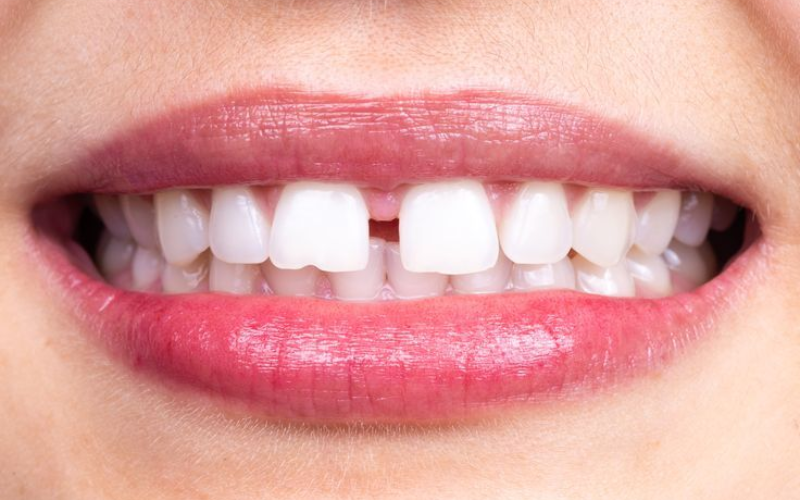
“Diastemay” is often used online as a misspelling of diastema. A diastema simply means a gap or space between two teeth, most commonly the upper front teeth. Some people have a small space that’s barely noticeable, while others have a wider gap that changes how their smile looks.
In many cases, a diastema is not harmful at all. It can be a natural part of someone’s smile, and for some people it’s even a defining feature they like. But in other situations, a diastema can be a sign of something else happening in the mouth, like tooth movement, gum changes, or a bite issue that affects how teeth meet.
Even though diastema is a dental topic, it can still “affect the body” in a few practical ways. For example, if the gap is tied to shifting teeth or gum problems, it can lead to discomfort, chewing changes, or more food getting stuck. And for many people, the biggest impact is confidence. A visible gap can make someone feel self-conscious, especially if it has appeared recently.
Common Causes of Diastemay
A diastema can happen for more than one reason, and sometimes it’s a combination of factors. Understanding the cause matters because it helps you know whether the gap is likely to stay the same, get bigger, or improve with the right approach.
Genetic and developmental factors
For many people, diastema is simply how the mouth develops. Genetics plays a strong role in tooth size, jaw shape, and spacing. If teeth are slightly smaller compared to the jaw, spaces can form. If a parent or close family member has a diastema, there’s a good chance it can appear in another family member too.
Another common developmental cause is the natural transition from baby teeth to adult teeth. In children, gaps can appear as the mouth grows and prepares space for larger adult teeth. A gap in childhood is often normal and may close naturally as more adult teeth come in.
There’s also a common anatomical reason involving the tissue between the upper front teeth, called the labial frenum. This is the small fold of tissue that connects the upper lip to the gum. If it attaches lower than usual or is thicker than average, it can sometimes prevent the front teeth from closing together, creating a diastema.
Jaw and bite development can also contribute. If the upper and lower teeth don’t fit together well, pressure and movement over time may encourage spaces to form.
Lifestyle or health-related triggers
Sometimes a diastema is not something you were born with. It can develop later due to changes in the mouth.
One of the most common triggers is gum disease. When gums and supporting bone become inflamed and start to weaken, teeth can shift. This shifting can create spaces, including a diastema between the front teeth. If someone notices a new gap appearing as an adult, gum health should be checked, especially if there’s bleeding when brushing or persistent bad breath.
Another trigger is habits that put repeated pressure on teeth, especially during development. Thumb-sucking, pushing the tongue against the teeth, or extended pacifier use can contribute to spacing. Even in adults, a strong tongue-thrusting habit can gradually affect tooth position in some cases.
Tooth loss can also lead to spacing. When a tooth is missing and not replaced, nearby teeth may drift into the open area. That movement can change spacing in other parts of the mouth and sometimes leads to a diastema.
Finally, normal aging can play a role. Over time, teeth can shift slightly, especially if someone has grinding habits, changes in gum support, or bite forces that push teeth out of position. A small diastema appearing later in life doesn’t automatically mean something is wrong, but it does deserve attention if it’s new or increasing.
Signs and Symptoms People Notice with Diastemay
The most obvious sign of diastema is visual: a noticeable space between teeth, often the upper front teeth. But people may also notice smaller clues that suggest the gap is part of a bigger pattern.
Sometimes the gap seems to widen over time, or it appears suddenly. That difference matters. A long-standing diastema that hasn’t changed for years is often stable. A gap that’s getting larger, especially in adulthood, can be linked to gum changes, bite shifts, or tooth movement.
Some people notice more food getting stuck in the gap, especially when eating fibrous foods. This can lead to irritation or a feeling that brushing never fully solves the problem. Others may notice a slight change in speech, such as a lisp, especially if the diastema is wide and between the front teeth.
There can also be gum-related signs if diastema is connected to gum health issues. Bleeding gums, swelling, tenderness, or gums that look like they are pulling back from the teeth are signals worth taking seriously. In that situation, the diastema isn’t just a cosmetic topic, it may be a sign that the support around the teeth needs care.
It’s also common for people to notice emotional signs, like feeling hesitant to smile in photos or covering the mouth while speaking. That’s a real quality-of-life issue, and it’s valid to want options that help you feel comfortable.
How Diastemay Is Diagnosed
A proper diagnosis is usually straightforward, and in many cases it starts with a simple dental visit. The goal isn’t just to confirm that a gap exists, but to understand why it’s there and whether it’s stable.
Visual examination and basic assessments
A dentist or orthodontic professional will begin by looking at the space itself and checking overall tooth alignment. They’ll often measure the gap and look at how the teeth meet when you bite down. This matters because a diastema can sometimes be part of a wider bite pattern that needs attention.
They’ll also examine the gums and the tissue between the teeth. If the frenum attachment looks prominent, that may be noted as a contributing factor. They may check for signs of inflammation, plaque buildup, or gum recession.
In many cases, a basic assessment is enough to explain the diastema, especially if it has been present for a long time and the gums are healthy.
When further medical evaluation is needed
If the diastema is new, growing, or linked to other symptoms, more evaluation may be recommended. Dental X-rays can show bone levels around teeth, hidden spacing issues, and whether there are missing teeth or unusual tooth shapes affecting alignment.
If gum disease is suspected, the dentist may perform gum measurements to see if there are deeper pockets around teeth, which can indicate loss of support. In some cases, referral to a gum specialist may be suggested, not because the situation is scary, but because early care can prevent bigger problems later.
For children, evaluation may also include checking the timing of tooth eruption, spacing patterns, and whether the gap is likely to close naturally.
The main takeaway is that diagnosing diastema is not just about naming it. It’s about understanding the “why” so that any next step, whether it’s doing nothing or choosing treatment, is based on real information.
Possible Complications Linked to Diastemay
Many people live with a diastema with no problems at all. But complications can happen when the gap is linked to shifting teeth, gum issues, or bite problems.
One possible issue is food trapping, which can raise the risk of cavities between teeth if cleaning becomes difficult. Even people with excellent brushing habits may struggle if the gap catches food regularly and irritates the gums.
If the diastema is part of a gum disease pattern, the bigger concern is the health of the supporting structures around teeth. In that case, the gap can be a visible sign of something happening under the surface. Ignoring gum disease can lead to worsening tooth movement, more spacing, and eventually tooth loosening in severe cases.
There can also be bite-related complications. When teeth don’t meet evenly, certain teeth may take more pressure than others. Over time, uneven forces can contribute to wear, sensitivity, or continued tooth shifting.
And while it’s not a medical complication, the social and emotional side matters too. If someone feels uncomfortable with their smile, it can affect confidence in daily life. That’s not “vain”. It’s a real part of well-being and communication.
Treatment and Management Options for Diastemay
Diastema treatment depends on cause, size, and personal preference. Some people don’t want treatment at all, and that can be a perfectly healthy choice when the mouth is stable. Others want the gap reduced or closed for comfort, function, or appearance.
Non-invasive or conservative approaches
If the diastema is small and not linked to disease, a conservative approach might be as simple as monitoring it during regular checkups. This is common when the gap has been stable for years.
If habits are contributing, addressing the habit can help prevent the space from worsening. For example, managing tongue thrusting or other pressure habits may reduce ongoing movement, especially in younger people.
If gum inflammation is part of the picture, improving gum health can be a major step. This may include professional cleaning, better daily cleaning technique, and consistent follow-up. When gum health improves, further shifting may slow down or stop, and the diastema may stabilize.
Some people also explore cosmetic dental options that do not involve major tooth movement. This can include bonding or veneers, where the shape of the teeth is adjusted to reduce the appearance of the gap. While this is not “medical” treatment, it can be a practical choice for someone who wants a change without braces. The key is that the underlying cause must be checked first, because closing a diastema cosmetically without addressing gum disease or tooth movement can lead to problems later.
Medical or corrective options
When tooth position is the main cause, orthodontic treatment is often the most direct solution. Braces or clear aligners can move teeth safely into place, closing a diastema and improving alignment. This is especially helpful when the diastema is part of broader spacing or bite issues.
If the frenum attachment is strongly involved, a dentist or specialist may discuss a small procedure to adjust it. This is sometimes considered when a diastema won’t close or reopens after orthodontic work. It’s not always necessary, but in certain cases it supports long-term stability.
If gum disease has caused spacing, treatment may focus first on controlling the disease and supporting gum and bone health. Once the foundation is healthier, orthodontic or cosmetic options may be considered if the person wants the gap addressed.
In cases where missing teeth or tooth size differences are involved, treatment planning can include a mix of approaches, sometimes involving orthodontics, reshaping, or restorative work. The best approach is always individualized, because diastema is a symptom of spacing, not a single one-size-fits-all condition.
Living with Diastemay and Long-Term Outlook
Living with diastema can be very simple when it’s stable and your gums are healthy. Many people keep their diastema for life without any negative effect. In that case, the long-term outlook is excellent, and the main focus is basic oral care and routine dental checkups.
If the diastema is changing, the outlook depends on addressing the cause early. Gum disease, for example, responds best when treated sooner rather than later. Stabilizing gum health can stabilize tooth position, which protects both appearance and function.
For people who choose to close the diastema, the long-term outlook is also generally positive, but retention matters. Teeth naturally try to shift back over time, especially in the front. That’s why many orthodontic plans include retainers. This doesn’t mean the treatment “failed”. It’s normal biology, and retainers help keep results steady.
It also helps to keep expectations realistic. A perfect “gap-free” smile is not the only goal. The real goal is a smile that feels comfortable, works well, and fits your preferences. Some people want full closure, others want a smaller gap, and some want to keep it as part of their identity.
The best long-term mindset is simple: treat diastema like a signpost. If it’s stable and healthy, you can own it confidently. If it’s new or changing, it’s worth checking so you can protect your oral health.
Conclusion
A diastema, often searched as “diastemay”, is simply a gap between teeth, and for many people it’s a normal, harmless feature. The important part is understanding why the gap exists and whether it’s stable. When diastema is linked to gum health, tooth shifting, or bite changes, early attention can prevent future problems and give you more options. Whether you choose to keep your diastema, monitor it, or explore ways to reduce it, the best outcome comes from a clear diagnosis, healthy daily care, and decisions that match your comfort and goals.
FAQs
1. What is diastemay and is it serious?
In most searches, diastemay refers to diastema, a gap between teeth. It’s often not serious, especially if it has been present for years and your gums are healthy. It becomes more concerning when the gap is new, growing, or linked to gum bleeding, swelling, or loose teeth.
2. Can diastemay improve on its own?
Sometimes, yes. In children, a diastema can close naturally as adult teeth come in and the bite develops. In adults, a diastema usually does not close on its own, but it may remain stable. If the gap is caused by inflammation or habits, managing those factors can prevent it from getting worse.
3. What usually triggers diastemay?
Common triggers include genetics, tooth and jaw size differences, a prominent frenum, habits like tongue thrusting, missing teeth, and gum disease that leads to tooth movement. A new diastema in adulthood is often a reason to check gum health.
4. When should someone seek help for diastemay?
It’s a good idea to seek help if the diastema is new, widening, or comes with bleeding gums, pain, swelling, bad breath that doesn’t improve, or changes in how your teeth fit together. Even if you’re not in pain, a quick check can confirm whether the gap is harmless or needs attention.