

Introduction
Assimilasjon is a word many people come across in school, social discussions, or academic reading, but its meaning is not always clear at first glance. In simple terms, assimilasjon describes the process of becoming similar to something else or blending into an existing system. The idea appears in many fields, including society, language, psychology, biology, and even geology. Because of this wide use, people often search for assimilasjon to understand what it means in different situations. This article explains assimilasjon in clear and simple English, showing how the concept works across different areas of life and why it is still important today.
What assimilasjon means as a core concept
At its core, assimilasjon means becoming more like something that already exists. It describes a process where something new adjusts, adapts, or blends into an established structure. This can happen with people, ideas, sounds, information, or physical materials. The key idea behind assimilasjon is similarity. Instead of staying separate or unchanged, one part slowly takes on the features of another.
Assimilasjon does not always happen by force. In many cases, it occurs naturally over time as people or systems try to function more smoothly together. Because the concept is flexible, it is used in different fields to explain change, adaptation, and learning. Understanding this basic meaning helps make sense of how assimilasjon works in more specific contexts.
Assimilasjon in society and culture
In society and culture, assimilasjon is often used to describe how minority groups adapt to the customs, values, and lifestyle of a majority group. This can include changes in language, clothing, traditions, or social behavior. In many countries, assimilasjon has been part of discussions about immigration, national identity, and social unity.
Assimilasjon can happen in different ways. Sometimes people choose to adapt because it helps them feel included or succeed socially and economically. In other cases, assimilasjon has been encouraged or expected by governments or institutions. This can raise important questions about identity, equality, and cultural diversity. Today, the topic of assimilasjon is often discussed alongside ideas like integration and inclusion, especially in multicultural societies.
Historical examples of assimilasjon in Norway
Norway provides a well-known historical example of assimilasjon through its past policies toward the Sami and Kven populations. For many years, these groups were encouraged, and sometimes pressured, to adopt Norwegian language and culture. Schools played a major role in this process, often limiting the use of native languages and traditions.
These policies were based on the belief that social unity required cultural sameness. Over time, however, the negative effects of forced assimilasjon became clearer. Loss of language, weakened cultural identity, and social inequality were some of the long-term results. Today, Norway officially recognizes this history and supports cultural rights and preservation. This example shows how assimilasjon can deeply affect people and communities, especially when it is not voluntary.
Assimilasjon in language and pronunciation
In language, assimilasjon refers to how sounds change when people speak. This happens because the human mouth naturally tries to make speech easier and smoother. When certain sounds appear next to each other, one sound may change to become more similar to the sound nearby.
For example, in everyday speech, people often adjust pronunciation without noticing it. These changes make words flow more naturally and help speakers talk faster and more comfortably. Linguistic assimilasjon is a normal and natural part of spoken language and occurs in many languages around the world. It shows how language adapts to human habits and physical movement.
Assimilasjon in psychology and learning
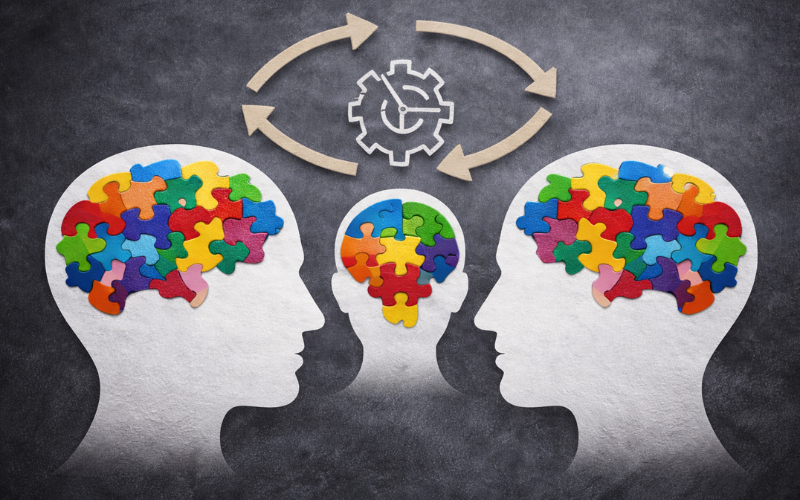
In psychology, assimilasjon is closely connected to learning and understanding. It describes how people take in new information and fit it into what they already know. When someone learns something new, the mind often connects it to existing ideas, experiences, or beliefs. This process helps people make sense of the world without constantly changing their entire way of thinking.
Assimilasjon plays an important role in education and personal development. It explains why learning feels easier when new ideas are related to familiar ones. Teachers often use this idea when introducing new topics by linking them to students’ everyday experiences. In this way, assimilasjon supports steady and meaningful learning.
Difference between assimilasjon and accommodation
Although assimilasjon is about fitting new information into existing ideas, accommodation is about changing those ideas when they no longer work. The difference between assimilasjon and accommodation is important in understanding how learning develops. When assimilasjon is not enough to explain something new, the mind must adjust and create new ways of thinking.
Both processes work together. Assimilasjon helps maintain balance and stability, while accommodation allows growth and deeper understanding. Together, they explain how people learn, adapt, and develop over time.
Assimilasjon in biology and the human body
In biology and physiology, assimilasjon refers to how the body absorbs nutrients and turns them into energy, tissue, or stored resources. After food is digested, the useful parts are taken into the bloodstream and used by cells. This process allows the body to grow, repair itself, and function properly.
Biological assimilasjon is essential for life. Without it, the body would not be able to use the food it consumes. This meaning of assimilasjon shows how the concept also applies to physical processes, not just social or mental ones.
Assimilasjon in geology and natural processes
In geology, assimilasjon describes what happens when magma absorbs surrounding rocks as it moves through the Earth. As the molten material melts or blends with nearby rock, its composition can change. This process helps scientists understand how different types of rock form and how the Earth’s interior evolves over time.
Geological assimilasjon shows that the idea of blending and adaptation is not limited to living systems. It also plays a role in shaping the natural world beneath the surface.
Why assimilasjon is still an important term today
Assimilasjon remains an important term because it helps explain change in many areas of life. From cultural discussions and language development to education and science, the concept offers a simple way to understand how new elements become part of existing systems. In modern society, where cultures, ideas, and technologies constantly interact, assimilasjon continues to be relevant.
People search for assimilasjon today to understand social history, improve learning, study language, or explore scientific processes. Its wide use across disciplines makes it a valuable and lasting concept.
Conclusion
Assimilasjon is a simple but powerful idea that appears in many parts of life. Whether it describes cultural change, speech patterns, learning processes, or natural systems, the core meaning remains the same: blending into something that already exists. By understanding assimilasjon in its different forms, readers can better understand society, communication, and human development. This is why assimilasjon continues to be a meaningful and widely discussed concept today.
FAQ
1. What does assimilasjon mean in simple terms?
Assimilasjon means becoming similar to something else or blending into an existing system over time.
2. How is assimilasjon different from integration?
Assimilasjon focuses on becoming like the majority, while integration allows people to keep their identity while participating in society.
3. What does assimilasjon mean in language and speech?
In language, assimilasjon happens when sounds change to make pronunciation easier and smoother.
4. How is assimilasjon used in psychology today?
In psychology, assimilasjon explains how people understand new information by fitting it into what they already know.