

Introduction
British racing green is more than just a color. It represents a deep connection between motorsport history, national identity, and timeless design. Often seen on legendary racing cars and modern luxury vehicles, british racing green has evolved into a symbol of heritage, performance, and prestige. People continue to search for it today not only because of its racing roots, but also because it carries emotional value across cars, branding, fashion, and modern design.
Understanding What British Racing Green Really Is
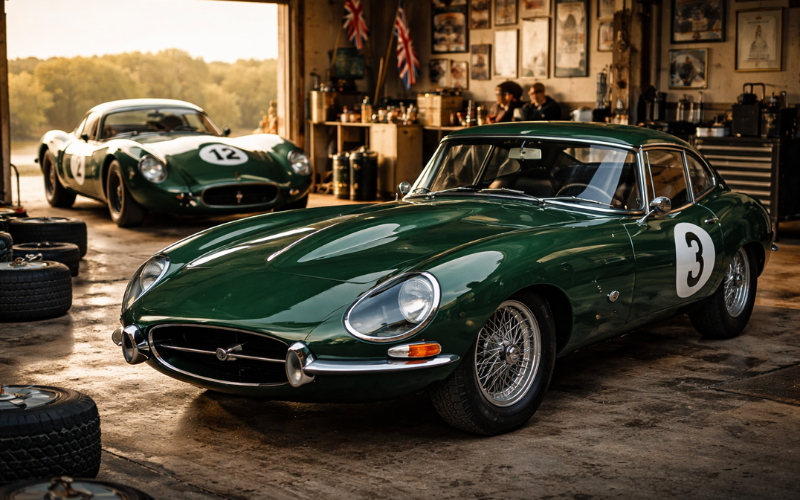
British racing green is not a single, fixed shade. Instead, it refers to a broad family of dark green tones that range from slightly olive to almost black. This flexibility is one of the reasons the color has lasted for more than a century. Unlike modern brand colors that rely on strict digital codes, british racing green was shaped by history, materials, lighting conditions, and tradition.
The idea of it being a “spectrum” matters because it explains why the color can look different on various cars and surfaces while still feeling authentic. A vintage race car, a modern Formula 1 machine, and a luxury road car may all use different greens, yet each can still be recognized as british racing green. This adaptability allows the color to remain relevant without losing its identity.
The Early Racing Roots Behind British Racing Green
The origins of british racing green go back to the early days of international motor racing, when countries competed under national colors rather than sponsor liveries. At the time, racing was as much about national pride as it was about speed. Each country adopted a distinct color so spectators could easily identify teams on the track.
For Britain, green became the chosen color during this era. Early victories and international competitions helped establish this association, turning green into a visual signature for British engineering and sportsmanship. Over time, repeated success and visibility cemented the connection between Britain and this distinctive shade.
How Road Racing Laws Influenced the Color Choice
One important factor in the story of british racing green is the legal environment of early motor racing. At the beginning of the 20th century, road racing was restricted in England. As a result, major international races involving British teams were held in Ireland instead. To honor their hosts, British teams painted their cars in a green inspired by the Irish landscape, often referred to as shamrock or clover green.
This decision was not driven by branding or marketing, but by respect and circumstance. However, it had a lasting impact. The green color used in these races became closely associated with British success, and the tradition carried forward even after racing laws changed. What started as a practical and symbolic choice evolved into a defining feature of British motorsport.
How British Racing Green Evolved Across Racing Eras
As motorsport technology advanced, british racing green evolved along with it. Early racing cars often featured lighter greens with visible olive or yellow undertones. These shades reflected the paint materials available at the time and the way colors appeared under natural light.
In later decades, as automotive finishes improved, the color shifted toward deeper, darker greens. By the mid-to-late 20th century, british racing green often appeared almost black in low light, with subtle depth visible only when sunlight hit the surface. This evolution matched the changing character of racing itself, moving from raw mechanical competition to refined engineering excellence.
Despite these changes, the identity of british racing green remained intact. Each era added its own interpretation, allowing the color to stay modern while still honoring its past.
British Racing Green in Legendary Automotive Brands
British racing green is closely tied to some of the most respected names in automotive history. Many classic racing victories and iconic car designs are inseparable from this color. Over time, it became a visual shorthand for British craftsmanship, performance, and tradition.
These associations extend beyond the racetrack. Road cars finished in british racing green often evoke a sense of heritage and authenticity, even when they are equipped with modern technology. The color connects contemporary vehicles to decades of motorsport achievement, giving them a story that goes beyond performance figures.
Modern Interpretations by Contemporary Manufacturers
In recent years, british racing green has seen a revival through modern reinterpretations. Today’s versions often feature metallic finishes, deeper saturation, and enhanced clarity under different lighting conditions. These updates allow the color to meet modern design expectations while preserving its classic feel.
This balance between tradition and innovation is key to its continued popularity. Manufacturers use british racing green to signal respect for history without appearing outdated. As a result, the color remains relevant in both high-performance racing environments and premium consumer markets.
Why British Racing Green Still Signals Prestige Today
British racing green carries emotional meaning that goes beyond aesthetics. It is associated with values such as craftsmanship, patience, and confidence rather than flashiness. Unlike brighter or trend-driven colors, it suggests depth and maturity.
In branding and design, this makes british racing green especially powerful. It appeals to audiences who value heritage and authenticity. The color feels deliberate and thoughtful, which is why it is often chosen for products and environments that aim to communicate quality and trust.
Its continued use shows that prestige does not require constant reinvention. Sometimes, a strong connection to history is what gives a color its lasting appeal.
Color Codes, Variations, and Why There Is No Single Standard
One of the most common questions about british racing green is why there is no official color code. The simple answer is that the color was never meant to be standardized. It existed long before digital color systems and branding guidelines.
Different manufacturers, designers, and painters have developed their own versions over time. This variation is not a flaw but a feature. It allows british racing green to adapt to different materials, technologies, and creative needs while maintaining its core identity.
Commonly Referenced Digital and Paint Variations
In digital design and paint references, british racing green is often approximated using dark green hex values or named paint codes. While these references can be useful, they should be seen as interpretations rather than definitive standards. Lighting, texture, and finish all play a role in how the color appears in real-world applications.
This flexibility explains why two objects labeled as british racing green may look different side by side, yet still feel authentic. The shared heritage matters more than exact numerical values.
British Racing Green Beyond Motorsport
Today, british racing green extends far beyond racing and automobiles. It appears in fashion collections, interior design, product packaging, and digital branding. Designers are drawn to its ability to feel both classic and modern at the same time.
In interiors, it adds warmth and depth without overwhelming a space. In fashion, it conveys elegance and restraint. In branding, it communicates trust and longevity. These qualities make british racing green a versatile choice across industries.
Conclusion
British racing green has endured because it represents more than color alone. It tells a story of early motorsport, national identity, and evolving design values. From its origins shaped by racing laws and international competition to its modern role in luxury branding and design, british racing green remains a powerful symbol. Its ability to adapt while staying true to its roots is what makes it one of the most iconic and respected colors in motorsports history—and beyond.
FAQs
1. Is british racing green a single official color?
No, british racing green refers to a range of dark green shades rather than one official color. Its identity comes from history and tradition, not strict color codes.
2. Why do different cars use different shades of british racing green?
Different shades exist because the color has evolved over time and adapts to materials, lighting, and design preferences. Each version reflects a specific era or interpretation.
3. Is british racing green still used in Formula 1 today?
While national racing colors are no longer required, british racing green is still used by teams and manufacturers as a nod to heritage and tradition.
4. What makes british racing green different from other dark greens?
Its historical connection to British motorsport and its symbolic meaning set it apart. It represents heritage, prestige, and engineering excellence rather than just a visual tone.