

Introduction
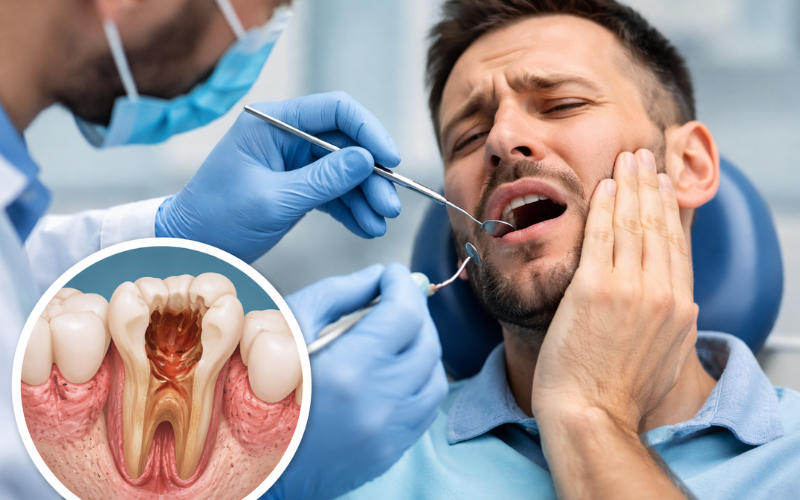
A dry socket is one of the most uncomfortable complications that can happen after a tooth extraction. Normally, once a tooth is removed, a blood clot forms in the empty space to protect the bone and nerves underneath. When this clot fails to form properly or becomes dislodged too soon, the area is left exposed. This condition is known as a dry socket, and it can lead to intense pain and delayed healing.
Many people begin searching for a dentist for dry socket when pain appears a few days after their extraction instead of improving. This pain can feel sharp, deep, and persistent, often spreading toward the ear, temple, or jaw. Because the discomfort can be severe, it quickly becomes clear that professional care may be needed.
While a dry socket can eventually heal on its own, waiting it out often means enduring unnecessary pain and risking further complications. Visiting a dentist early usually brings fast relief and helps the area heal properly. In this article, you will learn how dry sockets develop, how to recognize the warning signs, what dentists do to treat them, and what steps you can take before reaching the clinic.
Understanding Dry Socket After a Tooth Extraction
After a tooth is removed, the body naturally begins the healing process. A blood clot forms inside the socket, acting as a protective layer that covers the bone and sensitive nerve endings. This clot also serves as the base for new tissue growth, which slowly fills the space as healing progresses.
A dry socket occurs when this protective clot is lost or never forms correctly. Without that layer, the bone and nerves are exposed to air, food, and bacteria. This exposure is what causes the sharp pain and inflammation many patients experience.
The clot can be disturbed by several factors. Smoking, using straws, rinsing the mouth too forcefully, or touching the area with the tongue or fingers can all interfere with healing. Some people are naturally more prone to dry socket, especially those who have difficult extractions, poor oral hygiene, or a history of similar complications.
Signs That Indicate You Need a Dentist for Dry Socket
One of the clearest signs that you may need a dentist for dry socket is the timing of the pain. After an extraction, mild discomfort is expected, but it should gradually improve within the first two days. When pain suddenly becomes worse three or four days later, this often points to a dry socket.
The pain is usually strong and persistent rather than dull. It may spread toward the ear, neck, or temple on the same side of the extraction. Some people also notice that the extraction site looks empty or pale instead of having a dark clot inside it.
Another common sign is an unpleasant taste or smell coming from the mouth. Because food and bacteria can collect in the exposed socket, this can lead to bad breath or a persistent foul taste. Pain that does not improve with standard pain relievers is another signal that professional treatment may be necessary.
Why Professional Dental Treatment Is Essential
Although a dry socket is rarely dangerous, ignoring it can make recovery much more uncomfortable. The exposed bone can become irritated or infected, and healing can take longer than normal. Without treatment, pain may continue for several days or even weeks.
Seeing a dentist typically leads to rapid relief. Dental treatment focuses on protecting the exposed area, reducing inflammation, and promoting proper healing. Patients often notice a significant decrease in pain soon after treatment begins.
Professional care also reduces the risk of infection. Because the socket is open, bacteria can easily enter the area. Cleaning and protecting the site early helps prevent complications and ensures that healing continues smoothly.
How a Dentist Treats a Dry Socket
When you visit a dentist for dry socket treatment, the procedure is usually straightforward. The first step involves gently cleaning the socket to remove food particles, debris, and bacteria. This irrigation process helps reduce irritation and prepares the area for healing.
After cleaning, the dentist often places a medicated dressing into the socket. This dressing may contain soothing ingredients that calm the nerves and protect the exposed bone. It acts like a temporary shield while the body forms new tissue.
Pain control is another important part of treatment. Your dentist may recommend stronger pain relief options or prescribe medication if needed. In some cases, you may need to return for follow-up visits so the dressing can be replaced while healing continues.
What to Do Before You Can See a Dentist
If you suspect a dry socket but cannot see a dentist immediately, there are a few gentle steps you can take to keep the area clean and reduce discomfort. Rinsing the mouth with warm salt water can help remove debris and soothe the tissues, as long as it is done gently without vigorous swishing.
Avoid anything that creates suction inside the mouth. Drinking through straws, smoking, or vaping can disturb the socket further and delay healing. Try to eat soft foods and chew on the opposite side of the mouth to protect the area.
If pain becomes severe or begins to spread, this should be treated as an urgent dental visit rather than something to manage at home. Professional care is usually the fastest way to relieve symptoms and prevent the problem from worsening.
How Dentists Help Prevent Dry Socket After Extraction
Dentists take several steps to reduce the risk of dry socket from the moment an extraction is completed. They provide detailed aftercare instructions, which are designed to protect the clot and support healing. These instructions often include guidance on cleaning the mouth gently, avoiding certain foods, and limiting physical strain.
Lifestyle factors also play a role in prevention. Smoking is one of the strongest contributors to dry socket because it interferes with blood flow and creates suction inside the mouth. Dentists often advise patients to avoid smoking for several days after an extraction.
Follow-up visits are another important part of prevention. Checking the healing process allows the dentist to address any concerns early, which can help stop complications before they become painful.
Choosing the Right Dentist for Dry Socket Treatment
When dealing with severe post-extraction pain, finding the right dentist for dry socket care can make a big difference in recovery time. Dentists with experience in oral surgery or emergency dental care are often well prepared to manage this condition quickly and effectively.
Availability also matters. Because dry socket pain can be intense, being able to see a dentist promptly is more important than waiting for a preferred clinic that has limited hours. Timely care usually leads to faster relief and better healing outcomes.
Ultimately, the most important factor is receiving professional attention as soon as symptoms appear. Even simple treatment can bring comfort within hours and prevent further complications.
Conclusion
A dry socket can turn what should be a routine recovery into a painful experience. When post-extraction pain worsens instead of improving, seeking a dentist for dry socket treatment is often the best decision. Professional care not only relieves discomfort quickly but also helps the area heal properly and reduces the risk of infection.
Understanding the symptoms, acting early, and following dental advice after an extraction can make a significant difference in your recovery. If you suspect a dry socket, contacting a dentist promptly is the safest and most effective way to restore comfort and protect your oral health.
FAQs
1. How soon should I see a dentist if I think I have a dry socket?
You should contact a dentist as soon as severe pain develops a few days after extraction. Early treatment usually brings faster relief.
2. Can a dry socket heal without treatment?
Yes, it can heal on its own, but the process is often slow and painful. Professional care reduces discomfort and speeds up recovery.
3. Is dry socket an infection?
A dry socket itself is not always an infection, but the exposed area can become infected if not treated properly.
4. How long does pain from a dry socket usually last?
Without treatment, pain may last a week or longer. With dental care, relief often begins within a day or two.