

Introduction
Doors with sidelights are a simple upgrade that can make an entryway feel brighter, more welcoming, and more “finished” from the street. If you are choosing a new front door or refreshing your home’s exterior, understanding how doors with sidelights work can help you pick a style that looks great and still feels practical for everyday life.
What Doors With Sidelights Really Are and Why They Matter
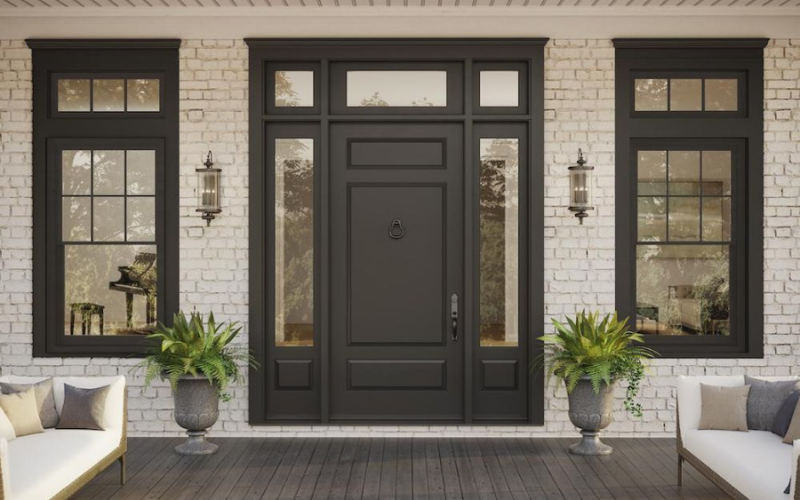
Doors with sidelights are entry doors that have narrow, vertical windows on one or both sides of the door. Those side windows are called sidelights. They can be mostly glass, partly glass, or designed with patterns that soften the view. The main idea is straightforward: sidelights bring in natural light and make a front entrance look wider and more inviting without changing the actual door size.
What makes doors with sidelights “matter” is how much they affect the feel of the home, both inside and outside. From the curb, sidelights can turn a basic entry door into a focal point. They often create a more balanced look, especially on homes with a larger front porch or a wide entry area. From inside, they brighten the space near the door, which is often a darker part of the home. Many entryways are small, have limited windows, or open into a hallway. Sidelights can improve that immediately by letting daylight in where you usually rely on a lamp.
Doors with sidelights also shape the way visitors experience your home. A front entrance sends a message before anyone rings the bell. When sidelights are well chosen, the doorway can look warm and cared for, not closed off or heavy. That is one reason homeowners choose this design when they want better curb appeal without major remodeling.
How Sidelights Change the Look and Feel of an Entryway
One of the biggest reasons people search for doors with sidelights is the visual difference. Even if you keep the same general style of door, adding sidelights makes the entry look taller, wider, and more open. This can make a home feel more welcoming, especially when the rest of the front exterior is simple or has fewer details.
Inside the home sidelights can change how the space feels throughout the day. Morning light, afternoon light, and evening light all come through differently depending on your home’s direction and landscaping. That gentle light can make a small foyer feel more spacious. It can also help with daily routines, like finding keys, seeing shoes by the door, or greeting guests without turning on bright overhead lighting.
It is also worth noting that doors with sidelights can highlight the door itself. The door becomes the center, and the sidelights frame it. That framing effect often makes even a simple door look more high-end. This is why sidelights are common in designs where the entry door is meant to be a statement piece.
Single sidelight vs double sidelight layouts
A single sidelight means there is glass on one side of the door. A double sidelight means there is glass on both sides. The difference is not just about style. It changes the balance and the feel of the entry.
Single sidelight layouts are often chosen when the entry space is narrower or when the home’s exterior design looks better with an off-center window. For example, if your door is close to a corner wall or a column, a single sidelight can add light without forcing a symmetrical design that does not fit the structure.
Double sidelight layouts create a classic, balanced look. They are often used when the entry is wide enough to support it and the homeowner wants a grander appearance. A double sidelight setup can make the doorway feel like a “main entrance” in a very clear way. It also tends to bring in more light, which can be helpful if your entryway is dim.
The best layout depends on what your home can physically support and what matches the overall look of your facade. The goal is to make doors with sidelights look intentional, not squeezed in.
Popular Styles of Doors With Sidelights
Doors with sidelights come in many styles, and most homeowners start with the look they want before they decide details like glass type. The key is to choose a door and sidelight design that matches your home’s architecture rather than fighting it. When the style fits, the entry looks natural, like it was always meant to be there.
Some homes look best with clean lines and simple glass. Others look better with more traditional shapes and a warmer, classic feel. You can usually tell what works by looking at the lines and materials already present in the home, such as window shapes, trim details, roof style, and exterior finishes.
A helpful way to think about style is not only “what looks nice,” but “what looks right on this house.” Doors with sidelights should connect visually with your existing windows. If your home has modern, wide windows with minimal grids, a heavily detailed sidelight may look out of place. If your home has classic trim and traditional window patterns, a very plain sidelight might look too sharp and unfinished.
Modern, traditional, and transitional designs
Modern doors with sidelights typically have simple shapes, clean edges, and glass that feels open and bright. They often use smooth finishes and minimal decoration. The sidelights are usually straightforward, either clear glass or a subtle textured look.
Traditional doors with sidelights often feature more classic details, such as raised panels, warm finishes, and decorative glass patterns. The sidelights might include gentle shapes or a pattern that echoes the home’s older style.
Transitional doors with sidelights sit between these two. They have a clean, updated look but still feel warm and familiar. This style is popular because it works in many neighborhoods and does not feel too trendy. Many homeowners choose transitional designs when they want curb appeal that feels timeless and safe, not something that might look dated quickly.
Choosing the Right Glass for Sidelights
When homeowners choose doors with sidelights, the glass becomes one of the most important decisions. Glass affects privacy, brightness, and the overall feel of your entrance. It also affects how comfortable you feel using the space every day. The “right” glass is the one that matches your lifestyle and your home’s layout.
If your front door faces a busy street or a close neighbor, you may want glass that lets in light but limits clear views into the home. If your entryway is set back from the street or you have natural privacy from landscaping, you may feel comfortable with clearer glass.
Glass can also influence the mood. Clear glass feels open and airy, but it is not always the best choice for every situation. Frosted or textured glass can soften the look and create a calmer entryway, while still letting sunlight in.
It is also smart to think about night-time. During the day, outside light is stronger, so you can often see out more than people can see in. At night, interior lights make the inside brighter, which can make it easier for someone outside to see in. That is why many homeowners lean toward privacy-focused glass for sidelights, even if they like the look of clear glass.
Clear, frosted, textured, and decorative glass options
Clear glass offers the most visible light and the most open look. It works well in private locations and in homes where the front door is not directly exposed to foot traffic.
Frosted glass helps protect privacy by blurring details. It still allows light to pass through, but it reduces clear visibility into the home. This is a popular option for doors with sidelights because it provides a bright entry without feeling exposed.
Textured glass can be similar to frosted glass, but it often has a pattern that adds visual interest. The texture may distort views and create a slightly more decorative feel. This can be a great match when you want privacy and style without looking overly ornate.
Decorative glass includes more detailed patterns and designs. It can become a major visual feature of the entryway. Some homeowners love it because it adds character and makes the door stand out. Others prefer simpler glass because it is easier to match if they update their exterior later. The best choice depends on whether you want your doorway to be a quiet, clean accent or a bold focal point.
Privacy, Security, and Energy Efficiency Considerations
It is normal to think about privacy and security when considering doors with sidelights. The good news is that doors with sidelights can be both practical and comfortable when planned well. The key is to choose the right glass style, consider your home’s layout, and pair the design with smart lighting and good door hardware.
Privacy is often the first concern. If your entry opens directly into a living room or a hallway where people spend time, you may not want full clear visibility. That is where frosted, textured, or decorative glass helps. In many cases, privacy glass becomes the perfect balance: you still get a brighter entry, but you do not feel like your home is on display.
Security is another concern people raise. Many homeowners worry that glass near the door could be easier to break. In real life, the bigger security picture is usually about good locks, proper installation, and overall entry strength. Glass style can play a role, but it is only one part. Doors with sidelights can be designed in a way that still feels secure and sturdy, especially when the sidelights are positioned and planned thoughtfully.
Energy efficiency is also important, especially in areas with cold winters or hot summers. Doors with sidelights include more glass, and glass typically transfers heat more than a solid door section. That does not mean sidelights are a bad idea. It means you should choose glass and door construction with comfort in mind. Many homeowners choose doors with sidelights because they want light and style, but they still expect the entry to feel comfortable year-round. When you select the right combination of door build and sidelight glass, you can get a bright entry without feeling drafty.
From an SEO and user-intent point of view, this is also where many people want clear answers rather than vague promises. If you are comparing entry door options, it helps to focus on how the choice will feel in daily life: will you feel comfortable with the visibility, will the entry stay pleasant in winter, and will you feel confident in the security of the setup?
Sizing, Proportions, and Placement Considerations
Sizing is a big deal with doors with sidelights because the entry must look balanced. A door with sidelights should feel like it fits the home, not like it was forced into a space. The width of your entry area, the height of your ceiling near the door, and the overall scale of your home all influence what looks best.
If your home has a tall front entrance or a strong vertical design, sidelights can enhance that. They can make the entry feel taller and more elegant. If your home has a smaller entry, the same sidelight design might look too heavy or too large. In that situation, a single sidelight or a more minimal glass design might look better.
Placement matters too. The doorway should align nicely with nearby windows, porch posts, and any architectural features. If the door and sidelights create a new visual center, you want that center to feel intentional. Even small differences, like how the sidelights line up with trim, can change the look.
This is also a practical issue. Wider sidelights bring more light, but they may reduce space on the walls inside the entry area. If you need room for a coat hook, a small bench, or a console table, it helps to picture how doors with sidelights will affect that wall space. Good planning prevents surprises later.
When Doors With Sidelights Make the Most Sense
Doors with sidelights make the most sense when you want a brighter entryway and a stronger first impression without doing major remodeling. They are especially useful when the front entrance feels dark during the day, or when the exterior looks flat and could benefit from a visual upgrade.
They can also be a smart choice if you often welcome guests and want the doorway to feel open and friendly. Sidelights can make a home feel more inviting, and they can improve the transition from outside to inside. Many homeowners notice that the entry feels more “alive” with natural light coming in.
However, sidelights are not the best fit for every home. If you live in a very busy area where the front door is close to the sidewalk, you might prefer glass that leans strongly toward privacy. If you already have plenty of windows near the entry, you might not need sidelights to get brightness, and the decision becomes more about curb appeal and design.
Lifestyle matters too. If you like a very private home environment, you may prefer sidelights that let in light but keep visibility low. If you love an airy, open look, clearer sidelights can be a great match. There is no single right answer. The best doors with sidelights are the ones that match your home’s needs, your location, and your comfort level.
Cost Expectations and Installation Factors
The cost of doors with sidelights can vary widely because the final price depends on design choices and installation conditions. The door style, the type of sidelights, and the complexity of the opening all influence what is involved. Even two homes that choose a similar look may have different installation needs based on the existing structure.
If you are replacing an old door that already has sidelights, the process is usually simpler. If you are adding sidelights where there were none, the project can become more involved because the opening may need changes. That can affect the overall scope and timeline, even if the design itself is not complicated.
It also helps to think of installation as part of the “performance” of the door. A beautiful entry door can still feel disappointing if it is not installed well. Proper alignment, sealing, and fit are what make the entry feel solid and comfortable. If your goal is a doorway that looks great and feels right every day, installation quality matters as much as the door design.
From a Helpful Content perspective, readers often want honest guidance here. Doors with sidelights can be an excellent upgrade, but they are not always a quick swap depending on what you currently have. Knowing that upfront helps you plan the project realistically and avoid stress.
Maintenance and Long-Term Care for Sidelights
Maintenance for doors with sidelights is usually simple, but it is good to think about long-term care so the door keeps looking clean and sharp. Because sidelights include glass, they can show smudges, dust, and water spots more easily than a solid door. The good news is that basic, regular cleaning keeps them looking great.
The frame area around sidelights also matters. Over time, outdoor exposure can affect finishes. If your entry gets strong sun, heavy rain, or wind, it is worth choosing a finish that holds up well and checking it seasonally. Many homeowners find that a quick look a couple of times a year helps prevent small issues from becoming bigger ones.
Another long-term factor is how the entry is used. If kids and pets often run in and out, clear glass may show fingerprints more frequently. That is not a deal-breaker, just a reality of daily life. If you prefer a lower-maintenance look, textured or frosted glass can hide marks better while still letting light in.
Doors with sidelights can look beautiful for years when they are cared for in a simple, consistent way. The goal is not perfection. It is keeping the entry looking fresh and welcoming, because that is one of the main reasons people choose sidelights in the first place.
Conclusion
Doors with sidelights are a practical, design-friendly way to brighten your entryway and improve curb appeal at the same time. They can make a front entrance feel wider, more welcoming, and more complete, while also bringing in natural light where many homes need it most. The best results come from choosing a style that suits your home, selecting glass that matches your privacy needs, and planning the size and layout so it looks balanced and intentional. When those pieces come together, doors with sidelights can be one of the simplest upgrades that changes the entire feel of coming home.
FAQs
1. Are doors with sidelights safe for front entrances?
Yes, doors with sidelights can be safe for front entrances when you choose a setup that fits your comfort level and make sure the door is installed properly. Safety is not just about the glass. It is also about the overall strength of the entry, the quality of the lock, and the fit of the door in the frame. Many homeowners choose doors with sidelights because they want light and curb appeal while still expecting the entrance to feel solid and secure.
2. Do sidelights make a home less private?
They can, depending on the glass you choose and how close your front door is to neighbors or the street. If privacy is a concern, frosted, textured, or decorative glass often provides a good balance. You still get natural light, but you avoid clear views into the home. This is why glass choice is one of the most important parts of picking doors with sidelights.
3. Can sidelights be added to an existing door?
In some cases, yes, but it depends on the space and the structure of the current entryway. Adding sidelights usually means the opening needs to be wide enough or needs to be changed. If your current setup is a standard single door with narrow wall space on each side, adding sidelights may require a more involved update. If your entry already has room or a design that supports it, adding sidelights can be more straightforward.
4. Are doors with sidelights energy efficient?
They can be, especially when the door and glass are chosen with comfort in mind. Because sidelights add glass, it is smart to consider how that might affect indoor temperature near the entry. Many homeowners still choose doors with sidelights because the benefits of daylight and curb appeal are worth it, and they want a solution that feels comfortable year-round. The right glass style and good installation help the entry feel stable and pleasant in different seasons.