

Introduction
Foenegriek is a well-known natural ingredient that has been part of everyday life for centuries. Today, people continue to search for foenegriek because it connects traditional knowledge with modern health, cooking, and wellness routines in a simple and practical way.
Understanding What Foenegriek Is
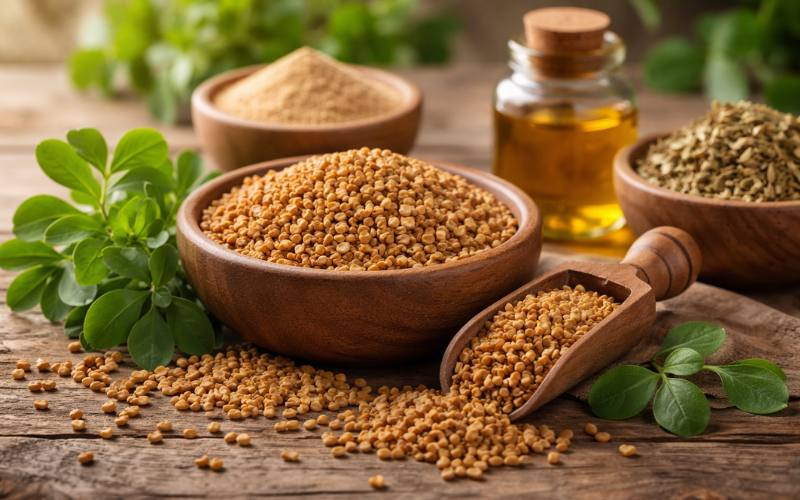
Foenegriek is the common name used in several European languages for fenugreek, a plant whose seeds and leaves have been valued for both food and traditional uses. When people talk about foenegriek, they are usually referring to the small, golden-brown seeds that come from this plant, although the powdered and whole forms are also widely recognized.
Foenegriek is commonly found as whole seeds, ground powder, or occasionally as fresh or dried leaves. Each form has its own purpose, depending on how it is being used. The seeds are firm and slightly bitter in their raw state, while the powder blends easily into foods and preparations. Because it adapts well to different cuisines and traditions, foenegriek has remained relevant across cultures for a very long time.
The Historical and Cultural Roots of Foenegriek
The story of foenegriek goes back thousands of years. Ancient civilizations used it in daily meals, traditional wellness practices, and even household routines. Historical records show that foenegriek was known in parts of the Middle East, South Asia, North Africa, and Europe long before modern medicine or packaged foods existed.
In many regions, foenegriek was passed down through generations as part of family knowledge. Parents taught children how to cook with it, when to use it, and why it mattered. Over time, this knowledge traveled through trade routes and migration, allowing foenegriek to move from ancient practices into modern households.
Even today, many people feel a cultural connection to foenegriek. It represents comfort, tradition, and continuity. This deep cultural history is one reason foenegriek still holds value in a world that often looks for natural and familiar solutions.
How Foenegriek Is Used in Daily Life Today
In modern life, foenegriek continues to play an important role, especially in cooking. It is widely used in home kitchens as part of spice mixes, sauces, and traditional dishes. Its slightly nutty, earthy flavor adds depth to food when used in the right amount. Some people roast the seeds lightly to soften their bitterness, while others prefer the powdered form for easier blending.
Beyond cooking, foenegriek is also associated with natural and wellness-related uses. Many people include it in homemade preparations, teas, or infused liquids as part of their personal routines. These practices are often inspired by traditional knowledge rather than modern trends.
Foenegriek is also present in modern products, including packaged foods, herbal blends, and personal care items. Its continued presence in these products shows how foenegriek has adapted to modern routines while still holding onto its traditional roots.
Nutritional Profile and Natural Compounds in Foenegriek
Key Natural Elements Found in Foenegriek
Foenegriek is valued not only for its flavor and history but also for its natural nutritional profile. It contains a variety of nutrients that support general dietary balance when used as part of normal meals. These include fiber, plant-based proteins, and naturally occurring compounds that have drawn interest over time.
The plant compounds found in foenegriek are one reason it continues to be discussed in wellness conversations. These elements are not new discoveries; they have been part of foenegriek all along. What has changed is the way modern audiences talk about them, often using simpler language to explain why foenegriek fits into everyday diets.
People today are more curious about what goes into their food, and foenegriek naturally fits into this curiosity. Its straightforward composition and long history make it appealing to those looking for familiar, plant-based ingredients.
Foenegriek and Its Role in Traditional Wellness Practices
For generations, foenegriek has been linked to traditional wellness practices in many cultures. Long before modern supplements existed, people relied on plants like foenegriek as part of their daily routines. These practices were based on observation, experience, and shared knowledge rather than scientific labels.
Many traditional beliefs around foenegriek focus on balance and support rather than quick results. People turned to it as part of a broader lifestyle that included mindful eating, rest, and moderation. This holistic view is one reason foenegriek still feels relevant today.
In a time when many people are returning to natural and simple approaches, foenegriek offers a sense of trust. Its long-standing presence in traditional wellness practices gives it credibility that newer trends often lack.
Common Ways Foenegriek Is Prepared and Consumed
Popular Forms of Foenegriek
Foenegriek can be prepared and consumed in several ways, depending on personal preference and cultural habits. Whole seeds are often soaked, cooked, or lightly roasted before use. This helps soften their texture and reduce bitterness, making them easier to enjoy in meals.
Foenegriek powder is another popular form. It is made by grinding the seeds and is commonly used in cooking because it blends smoothly into dishes. Some people also use foenegriek in liquid form, such as teas or infused water, as part of traditional routines.
The way foenegriek is taken often depends on how it fits into daily life. Some prefer it as part of food, while others include it in simple preparations outside of meals. This flexibility is one of the reasons foenegriek remains widely used.
Important Considerations When Using Foenegriek
Like any natural ingredient, foenegriek is best used with awareness and moderation. While it has a long history of everyday use, individual sensitivity can vary. Some people may notice changes in taste preferences or digestion when they first include foenegriek in their routine.
Moderation is important, especially for beginners. Starting with small amounts allows the body to adjust naturally. It is also wise to pay attention to how foenegriek fits into your overall diet rather than focusing on it alone.
Practicality matters as well. Foenegriek works best when it is used consistently but sensibly, as part of normal meals or routines rather than as a quick solution.
Conclusion
Foenegriek continues to matter because it connects the past with the present in a simple, practical way. Its long history, everyday uses, and natural place in cooking and traditional routines make it more than just an ingredient. In a modern world that values clarity, trust, and balance, foenegriek remains a familiar companion that fits naturally into daily life.
FAQs
1. What is foenegriek most commonly used for today?
Today, foenegriek is most commonly used in cooking and traditional wellness routines. Many people include it in meals, spice blends, or simple home preparations because it feels familiar and natural.
2. How does foenegriek taste and how is it added to food?
Foenegriek has a slightly bitter, nutty taste. It is often roasted, soaked, or used in powdered form to balance its flavor. Small amounts are usually enough to enhance dishes without overpowering them.
3. Is foenegriek suitable for daily use?
For most people, foenegriek can be part of daily meals when used in moderation. As with any ingredient, it is best to pay attention to personal comfort and dietary balance.
4. What should beginners know before using foenegriek?
Beginners should start with small quantities and choose the form that feels easiest to use. Understanding its flavor and how it fits into meals helps make the experience more enjoyable.