

Introduction
The hair pin may seem like a small and simple accessory, but it has played an important role in hairstyling for generations. From quick everyday fixes to elegant styles for special occasions, a hair pin offers both function and style. Its lasting popularity comes from how easy it is to use, how affordable it is, and how well it works for almost every hair type. This guide explains everything you need to know about the hair pin in a clear, practical way.
Understanding What a Hair Pin Really Is
A hair pin is a basic hair accessory designed to hold sections of hair in place. It works by sliding into the hair and using gentle pressure to secure strands without the need for tight pulling. In modern hair care, the hair pin is valued because it helps create neat styles while reducing stress on the hair and scalp.
Unlike more complex styling tools, a hair pin does not require heat, power, or special skills. This makes it suitable for daily use and for people of all ages. Whether used to keep bangs out of the face, secure a bun, or add a finishing touch to a hairstyle, the hair pin remains a practical solution in everyday grooming routines.
Popular Types of Hair Pin Styles You’ll See Everywhere
Classic hair pin designs and how they differ
Classic hair pin designs are focused on function rather than appearance. These usually come in simple shapes and neutral colors that blend into the hair. Some are straight with a slight bend, while others have a curved shape to improve grip. The difference between these designs often lies in how tightly they hold the hair and how comfortable they feel during wear.
Straight hair pins are commonly used for basic styles and light hold. Curved designs tend to offer better grip, especially for thicker hair or layered styles. The choice between them depends on personal comfort and how much hold is needed for the hairstyle.
Decorative hair pin options for styling and fashion
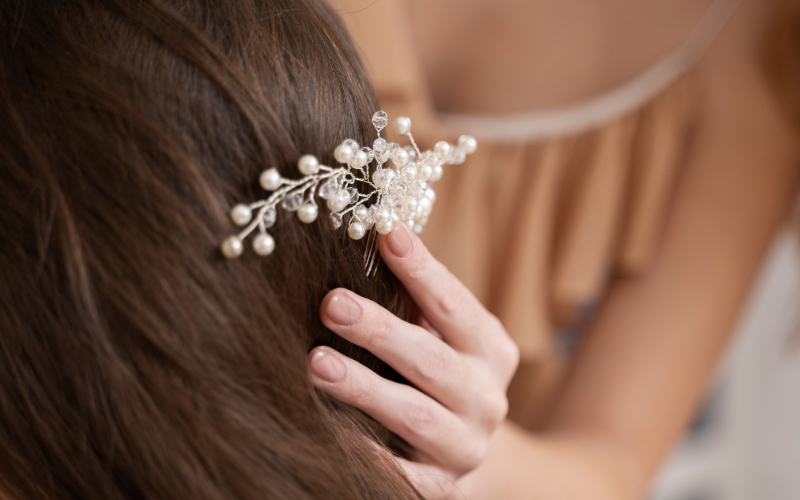
Decorative hair pin options combine function with visual appeal. These hair pins often include patterns, stones, pearls, or unique shapes that stand out. They are commonly used when the hair pin is meant to be seen rather than hidden.
In styling and fashion, decorative hair pins help express personal style while still keeping hair in place. They are often chosen for events, celebrations, or occasions where appearance matters as much as function. Even with decoration, a good hair pin should still provide a secure and comfortable hold.
How to Choose the Right Hair Pin for Your Hair Type?
Matching a hair pin to fine, thick, or textured hair
Choosing the right hair pin starts with understanding your hair type. Fine hair usually needs a lightweight hair pin with a smooth surface to avoid slipping or pulling. A pin that is too heavy may slide out or feel uncomfortable.
Thick hair often requires a stronger hair pin with a firm grip. Wider or slightly curved pins tend to work better because they can hold more hair without bending. Textured or curly hair benefits from hair pins that have a coated or matte finish, as these provide better grip and reduce movement throughout the day.
Picking a hair pin based on everyday wear or events
For everyday wear, comfort and ease of use are the main priorities. A simple hair pin that can be inserted quickly and stays in place during normal activities is usually the best choice. Neutral designs work well for work, school, or casual outings.
For events or special occasions, the choice of hair pin may depend on the hairstyle and outfit. Decorative hair pins are often selected to match clothing or add a polished look. In these cases, it is important to balance style with function so the hair pin remains secure for several hours.
How to Use a Hair Pin Properly Without Slipping
Using a hair pin correctly makes a big difference in how well it holds. The pin should be inserted in a way that follows the natural direction of the hair rather than pushing against it. This helps reduce slipping and improves comfort.
One common mistake is using too much hair with a single hair pin. When overloaded, the pin cannot grip properly and may slide out. Using multiple hair pins for larger sections creates better balance and hold. Another mistake is placing the hair pin too close to the surface of the hair instead of anchoring it slightly deeper. Proper placement helps the hair pin stay in place throughout the day.
Hair Pin Materials and What They Mean for Durability
Metal, plastic, and coated hair pin options explained
Hair pins are made from different materials, each with its own benefits. Metal hair pins are known for their strength and long-lasting use. They are suitable for thicker hair and more secure styles, but they should have smooth edges to avoid scratching the scalp.
Plastic hair pins are lightweight and often more flexible. They work well for fine hair and short-term styles. Coated hair pins, which may be metal or plastic underneath, offer added grip and comfort. The coating helps prevent slipping and reduces friction, making them a popular choice for daily use.
The durability of a hair pin depends not only on the material but also on how it is used and cared for. Choosing the right material for your hair type helps extend the life of the hair pin.
Simple Hair Pin Care and Storage Tips
Taking care of a hair pin is easy but often overlooked. Keeping hair pins clean helps maintain their grip and prevents buildup from hair products. A quick wipe or gentle wash when needed is usually enough.
Proper storage also matters. Hair pins should be kept in a small container or pouch to prevent bending or loss. Avoid leaving them loose in bags or drawers where they can become damaged. With simple care habits, a hair pin can remain effective and comfortable for a long time.
Easy Styling Ideas Using a Hair Pin
A hair pin can be used in many simple yet polished styles. It works well for securing loose strands, creating half-up looks, or adding structure to buns and twists. Because it is small and easy to handle, a hair pin allows for quick adjustments throughout the day.
For casual styles, a hair pin can be used to keep hair away from the face while maintaining a natural look. For more formal styles, it can help define shape and hold without making the hairstyle feel stiff. The flexibility of a hair pin makes it suitable for both quick fixes and intentional styling.
Final Thoughts
The hair pin remains a reliable and versatile tool in modern hairstyling. Its simple design, ease of use, and wide range of styles make it suitable for everyday wear as well as special occasions. By understanding how to choose, use, and care for a hair pin, anyone can improve their hairstyling routine with minimal effort. Whether for function or fashion, the hair pin continues to prove its value as a timeless accessory.
FAQs
1. What is a hair pin used for?
A hair pin is used to hold hair in place, secure hairstyles, and manage loose strands. It works well for everyday styling as well as formal looks.
2. Is a hair pin different from a bobby pin?
Yes. A hair pin is usually open and relies on tension to hold hair, while a bobby pin is closed and grips hair tightly. Both serve different styling needs.
3. Which hair pin is best for thick hair?
For thick hair, metal or curved hair pins work best because they offer stronger grip and better support for heavier sections of hair.
4. Can I use a hair pin daily without damaging my hair?
Yes, a hair pin is safe for daily use if inserted gently and not pulled tightly. Smooth or coated hair pins are best to avoid breakage.
5. Why does my hair pin keep slipping out?
Hair pins often slip when too much hair is used at once or when the pin is placed incorrectly. Using the right size and inserting it in the direction of hair growth helps prevent slipping.