

Introduction
High porosity hair can feel confusing and frustrating. One day your hair feels soft, and the next it feels dry again no matter how much product you use. In simple terms, high porosity hair absorbs moisture very quickly but loses it just as fast. Understanding your hair’s porosity can completely change how you care for it, helping you choose better routines, smarter products, and habits that truly support healthy hair over time.
What High Porosity Hair Really Means
High porosity hair means that the outer layer of the hair strand has small gaps or raised areas. These gaps allow water and products to enter the hair easily, which sounds like a good thing at first. However, because the hair structure is more open, moisture also escapes very quickly.
Porosity affects how your hair absorbs and holds onto moisture. With high porosity hair, water soaks in almost immediately during washing, but the hair struggles to keep that hydration locked inside. This is why hair may feel dry soon after it dries, even if you used conditioner or oils.
This hair type behaves differently from low or medium porosity hair because it needs extra support to maintain balance. While it drinks up moisture fast, it also needs help sealing that moisture in so it does not evaporate too quickly.
Signs You Have High Porosity Hair
Everyday Clues You Might Notice
One of the most common signs of high porosity hair is how fast it dries. If your hair air-dries much faster than expected, this can be a strong clue. Frizz and dryness shortly after washing are also common, even when using moisturizing products.
Another sign is how your hair reacts to products. Creams, conditioners, and oils may seem to vanish into your hair without much effect. Your hair may feel soft for a short time, then dry again within hours.
Simple At-Home Porosity Tests
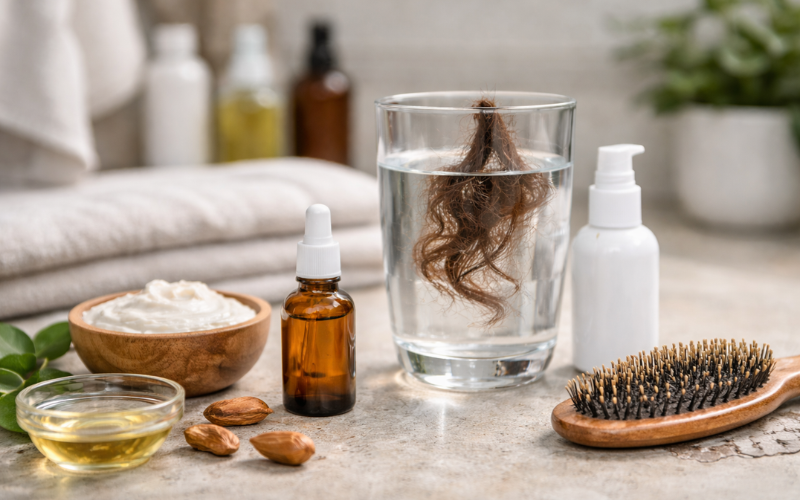
A popular way to check porosity is the water test. Place a clean strand of hair into a bowl of water and wait a few minutes. If the strand sinks quickly, it often points to high porosity hair because water enters the strand easily.
Another option is the slip-and-slide strand test. Gently slide your fingers up a single strand of hair, moving toward the scalp. If the strand feels rough or bumpy instead of smooth, this can suggest raised cuticles, which are common in high porosity hair.
What Causes High Porosity Hair?
High porosity hair can develop for several reasons. One of the most common causes is heat styling and chemical treatments. Frequent use of flat irons, blow dryers, relaxers, or hair dyes can weaken the hair’s outer layer over time, creating gaps that increase porosity.
Environmental damage also plays a role. Long-term exposure to sun, wind, pollution, and hard water can slowly wear down the hair surface. Swimming in chlorinated or salt water without protection can also increase porosity.
Genetics matter as well. Some people are naturally born with high porosity hair due to the way their hair structure forms. In these cases, the goal is not to change the hair type but to manage it properly and keep it healthy.
The Best Daily Routine for High Porosity Hair
Washing and Cleansing Tips
When caring for high porosity hair, gentle cleansing is essential. Harsh shampoos can strip the hair of moisture it already struggles to keep. Mild, moisturizing cleansers help clean the scalp without leaving hair overly dry.
Washing frequency matters too. Washing too often can lead to dryness, while washing too little may cause buildup that blocks moisture. Many people with high porosity hair find that washing once or twice a week works well, depending on lifestyle and scalp needs.
Conditioning and Deep Treatments
Conditioning is one of the most important steps for high porosity hair. Regular conditioners help smooth the hair surface, while deep conditioning treatments provide extra care. Deep conditioners should be used consistently to help improve softness and reduce breakage.
Protein and moisture balance is key. High porosity hair often benefits from protein treatments because they help strengthen weak areas of the hair strand. However, too much protein can make hair feel stiff, so it is important to alternate protein-based treatments with moisturizing ones.
Sealing in Moisture the Right Way
After washing and conditioning, sealing moisture helps slow down water loss. Leave-in conditioners are especially helpful because they continue working throughout the day. Applying them while hair is still damp helps lock in hydration.
Oils and creams are often used on top of leave-in products to create a barrier that keeps moisture inside the hair. Thicker creams and natural oils tend to work better for high porosity hair than lightweight products that absorb too quickly.
Ingredients That Work Best for High Porosity Hair
Certain ingredients are especially helpful for high porosity hair. Protein-rich ingredients help fill in weak spots along the hair strand, making hair feel stronger and smoother. These ingredients support damaged areas and reduce breakage when used in moderation.
Moisture-binding ingredients are also important because they attract and hold water inside the hair. These ingredients help maintain hydration between wash days and reduce dryness.
Some ingredients may cause problems if hair starts to feel hard or brittle. When this happens, it often means there is too much protein or not enough moisture. Paying attention to how your hair feels after using products helps you adjust your routine as needed.
Common Mistakes That Make High Porosity Hair Worse
One common mistake is overwashing. Even gentle shampoos can dry out high porosity hair if used too often. This leads to a cycle of dryness and product overload.
Excess heat styling is another major issue. Heat weakens the hair structure further, increasing porosity over time. Using heat tools less often and at lower temperatures can make a noticeable difference.
Skipping protective styles can also cause unnecessary damage. Hair that is left loose all the time is more exposed to friction, wind, and dryness. Protective styles help reduce daily stress on the hair.
Ignoring protein treatments is another mistake. While moisture is essential, high porosity hair often needs protein support to stay strong. Skipping protein entirely can lead to weak, fragile hair that breaks easily.
How to Protect High Porosity Hair Long-Term
Protective styling is one of the most effective ways to care for high porosity hair over time. Styles that tuck the ends away reduce friction and help retain moisture. These styles do not need to be tight or complicated to be effective.
A night care routine also matters. Sleeping on soft fabrics or using hair coverings helps reduce moisture loss and friction while you sleep. Applying a light leave-in or oil before bed can help hair stay hydrated overnight.
Reducing environmental stress is another long-term strategy. Covering hair in strong sun, protecting it during swimming, and minimizing exposure to harsh weather all help preserve moisture and strength.
Conclusion
High porosity hair may require extra attention, but it can thrive with the right approach. By understanding what high porosity hair really means, recognizing its signs, and following a routine focused on moisture, strength, and protection, you can reduce dryness and improve overall hair health. With consistent care and smart product choices, managing high porosity hair becomes less stressful and far more rewarding.
FAQs
1. How do I know for sure if I have high porosity hair?
You can look for common signs like fast drying time, frequent dryness, and product absorption. Simple at-home tests, combined with observing how your hair behaves, usually provide a clear answer.
2. Can high porosity hair be repaired permanently?
High porosity hair cannot always be changed permanently, especially if it is genetic. However, proper care, reduced damage, and consistent routines can greatly improve how the hair looks and feels.
3. How often should I deep condition high porosity hair?
Most people with high porosity hair benefit from deep conditioning once a week. Hair that feels very dry or damaged may need it more often, while healthier hair may need it slightly less.
4. What is the best oil for high porosity hair?
Heavier oils and butters often work best because they help seal moisture. The best choice depends on your hair’s thickness and how it responds to different products.