

Introduction
Koriandri is one of those ingredients that quietly transforms everyday meals. Whether sprinkled fresh over a curry or blended into a spice mix, koriandri brings color, aroma, and flavor to the table. Known in many places as coriander or cilantro, this versatile herb and spice has earned a permanent spot in kitchens around the world.
What Is Koriandri and Why Is It So Popular?
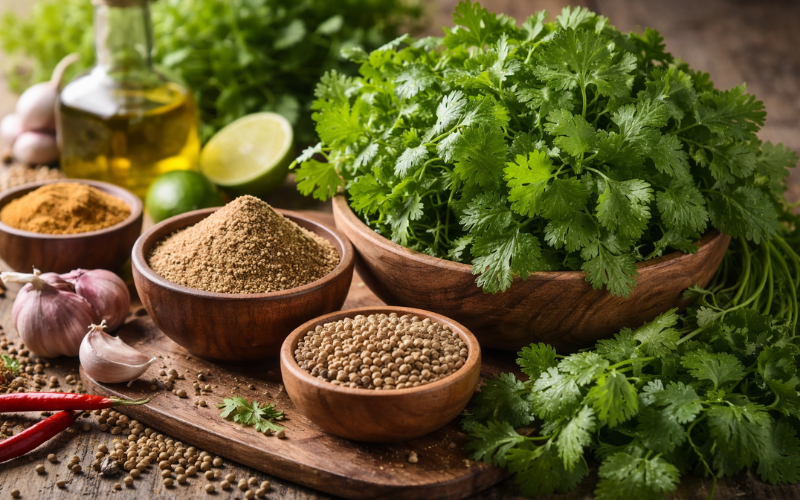
Koriandri refers to the plant commonly known as coriander. In some regions, especially in North America, the fresh green leaves are called cilantro, while the seeds are called coriander seeds. In many South Asian and Middle Eastern cultures, the word koriandri is widely used to describe both the fresh herb and the dried seeds.
The plant belongs to the same family as parsley and carrots. It grows soft green leaves with a bright, fresh look and produces small round seeds once mature. Both parts of the plant are edible, but they are used in very different ways in cooking.
Koriandri has become a staple ingredient in many households because it works well in a wide range of cuisines. From Indian curries and Pakistani dishes to Mexican salsas and Mediterranean salads, koriandri fits naturally into different flavor traditions. It is affordable, easy to find in markets, and simple to use. Its ability to enhance both simple and complex dishes is one of the main reasons for its popularity.
The Taste, Aroma, and Unique Character of Koriandri
The flavor of koriandri depends on which part of the plant you are using. Fresh koriandri leaves have a bright, citrus-like taste with a slightly peppery note. They add freshness and balance to rich or spicy dishes. The aroma is light but noticeable, making food feel more vibrant and complete.
Dried koriandri seeds, on the other hand, have a warm, mild, slightly sweet flavor. When ground into powder, they release a gentle aroma that blends easily with other spices such as cumin, turmeric, and chili powder. This is why koriandri powder is often found in spice blends and curry mixes.
Koriandri enhances many types of dishes. Fresh leaves are often used to finish soups, rice dishes, grilled meats, and salads. They bring brightness to heavy foods and help balance strong spices. The seeds and powder add depth and warmth to stews, sauces, and marinades.
It is also true that not everyone enjoys the taste of fresh koriandri. Some people describe it as soapy. This reaction is linked to genetics and how certain people perceive specific natural compounds in the leaves. Even so, koriandri remains one of the most widely used herbs worldwide.
Fresh vs. Dried Koriandri: Understanding the Difference
Understanding the difference between fresh and dried koriandri helps you use it correctly in recipes.
How Fresh Koriandri Is Used
Fresh koriandri leaves are usually added at the end of cooking or used raw. Heat can reduce their flavor, so they are often sprinkled on top of dishes just before serving. You will find fresh koriandri in chutneys, salads, garnishes, and sauces.
Because of its fresh and lively taste, it works especially well in dishes that need a final burst of flavor. For example, adding chopped koriandri to lentil soup or grilled chicken right before serving can change the entire experience of the meal.
How Dried Koriandri Seeds and Powder Are Used
Dried koriandri seeds are often toasted lightly before being ground. This releases their natural oils and deepens the flavor. The powder form is commonly used during cooking rather than at the end. It blends into sauces and gravies, giving them body and warmth.
Whole seeds can also be added to pickles and spice blends. Ground koriandri is a key ingredient in many curry powders and masalas. It pairs well with garlic, ginger, onions, and tomatoes, which makes it ideal for everyday savory cooking.
Which Form of Koriandri Works Best for Different Recipes
Fresh koriandri works best when you want brightness and a clean finish. Dried koriandri is better for building flavor during cooking. In many traditional recipes, both forms are used together. The powder is added while cooking, and the fresh leaves are added at the end. This layered approach creates depth and balance.
Health Benefits Associated With Koriandri
Koriandri is not only valued for its flavor but also for its nutritional qualities. Both the leaves and seeds contain vitamins and plant compounds that support general health.
Nutritional Value Overview
Fresh koriandri leaves are a good source of vitamin C, vitamin K, and small amounts of vitamin A. They also contain fiber and antioxidants. The seeds provide minerals such as iron and magnesium and contain natural oils that contribute to their aroma and taste.
Because koriandri is usually used in small amounts, it is not a major source of nutrients on its own. However, when included regularly as part of a varied diet, it adds both flavor and nutritional value.
Common Wellness Benefits Linked to Koriandri
In traditional cooking and herbal practices, koriandri has often been linked to digestive support. Many people use it in meals that are rich or spicy because it is believed to help with digestion and reduce bloating.
The seeds have also been used in herbal teas for their soothing properties. While modern research continues to explore these benefits, koriandri is generally considered safe and healthy when used as a food ingredient.
How It Fits Into a Balanced Diet
Koriandri supports a balanced diet by encouraging the use of herbs and spices instead of excess salt or heavy sauces. Adding fresh koriandri to meals can increase flavor without increasing calories. This makes it helpful for people who want to maintain a healthy eating pattern while still enjoying tasty food.
How to Store Koriandri Properly for Maximum Freshness
Proper storage is important if you want to keep koriandri fresh and flavorful.
Fresh koriandri leaves should be washed gently and dried before storage. One effective method is to wrap the stems in a slightly damp paper towel and place the bunch in a breathable bag in the refrigerator. Some people also store it in a glass of water like fresh flowers, covering the leaves loosely with a plastic bag. When stored correctly, fresh koriandri can last about a week in the fridge.
Dried koriandri seeds and powder should be kept in airtight containers away from heat and sunlight. A cool, dry cupboard is ideal. Exposure to air and moisture can reduce the flavor over time.
One common mistake is storing fresh koriandri while it is still wet, which can cause it to spoil quickly. Another mistake is keeping ground koriandri for too long. Spices lose their strength over time, so it is best to use them within a reasonable period for maximum flavor.
Growing Koriandri at Home: A Simple Beginner’s Guide
Growing koriandri at home is easier than many people think. It does not require special equipment or advanced gardening skills.
Ideal Growing Conditions for Koriandri
Koriandri grows best in mild weather. It prefers well-drained soil and a location that receives sunlight for several hours a day. Too much heat can cause the plant to flower quickly, which reduces leaf production.
Step-by-Step Basic Planting Tips
You can grow koriandri from seeds, which are widely available. Simply plant the seeds about a few centimeters deep in moist soil. Water gently and regularly, but do not overwater. Within a couple of weeks, you should see small green shoots appear.
Harvesting Koriandri the Right Way
When the plant reaches a good height, you can begin harvesting the leaves. Cut the outer leaves first, allowing the inner ones to continue growing. If you allow the plant to flower and produce seeds, you can collect the seeds and use them as dried koriandri.
Common Cooking Mistakes to Avoid When Using Koriandri
One common mistake is overcooking fresh koriandri. Because it has a delicate flavor, adding it too early in the cooking process can reduce its brightness. It is usually better to add fresh leaves at the end.
Another mistake is using too much koriandri powder. While it has a mild taste, large amounts can overpower other flavors and create a slightly bitter result. Balanced use is key.
Pairing koriandri incorrectly can also affect the outcome of a dish. While it works well with many savory ingredients, it may not suit every flavor combination. Understanding the recipe and tasting as you cook will help you find the right balance.
Conclusion
Koriandri is much more than a simple herb or spice. It is a versatile ingredient that adds freshness, warmth, and balance to everyday cooking. Whether you use the bright green leaves or the aromatic seeds, koriandri has the power to enhance a wide range of dishes.
By understanding the differences between fresh and dried forms, learning proper storage methods, and avoiding common cooking mistakes, you can make the most of koriandri in your kitchen. Its long history in global cuisine and its continued popularity show that this humble plant truly deserves its place in everyday meals.
FAQs
1. What is the difference between koriandri and coriander?
Koriandri and coriander refer to the same plant. In some regions, koriandri is simply another name for coriander. The fresh leaves may also be called cilantro.
2. Can koriandri be eaten raw?
Yes, fresh koriandri leaves are often eaten raw. They are commonly used in salads, chutneys, and as a garnish.
3. How long does fresh koriandri last in the fridge?
When stored properly, fresh koriandri usually lasts about five to seven days in the refrigerator.
4. Is koriandri good for digestion?
Many traditional food cultures use koriandri to support digestion. While it should not replace medical advice, it is commonly included in meals for its soothing qualities.