

Introduction
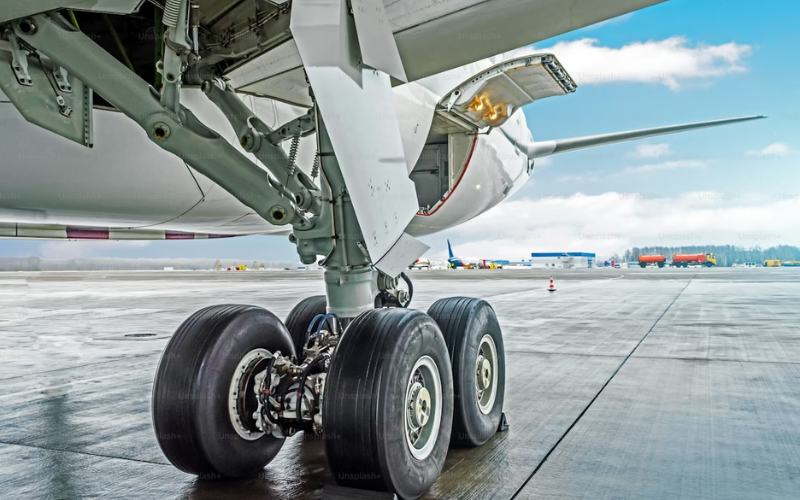
Landing gear is one of the most important systems on any aircraft. It supports the aircraft on the ground, helps it take off smoothly, and absorbs impact during landing, making safe and controlled flight possible from start to finish.
Understanding What Landing Gear Is and Why It Matters
Landing gear is the set of wheels and supporting structures that allow an aircraft to move, stop, and stay stable on the ground. While it may seem simple compared to engines or wings, landing gear plays a critical role in overall aircraft safety. Without it, an aircraft could not taxi to the runway, take off in a controlled way, or land safely after a flight.
The main purpose of landing gear is to support the aircraft’s weight while it is on the ground. It also absorbs the strong forces created when an aircraft touches down at high speed. These forces can be intense, and landing gear is designed to handle them while protecting the aircraft structure and the people inside.
Beyond safety, landing gear also affects performance and efficiency. Well-designed landing gear helps an aircraft roll smoothly, steer accurately, and stop within a safe distance. In modern aviation, landing gear systems are carefully engineered to balance strength, weight, and reliability, ensuring they perform well in many different conditions.
The Main Types of Landing Gear Used in Aircraft
Fixed vs. Retractable Landing Gear Systems
Aircraft use different types of landing gear depending on their size, purpose, and design. One major difference is whether the landing gear is fixed or retractable. Fixed landing gear stays extended at all times. It is simple, strong, and easy to maintain. Because it has fewer moving parts, it is often used on smaller aircraft and training planes where reliability and low cost are priorities.
Retractable landing gear, on the other hand, folds into the aircraft after takeoff and extends again before landing. This design reduces air resistance during flight, allowing the aircraft to fly faster and use less fuel. Retractable landing gear is more complex and requires careful maintenance, but it is common on commercial airplanes and high-performance aircraft where efficiency matters most.
Nose Gear and Tailwheel Configurations
Another way to classify landing gear is by how it is arranged under the aircraft. Most modern aircraft use a nose gear configuration, also known as tricycle landing gear. This setup includes two main wheels under the wings or body and a smaller wheel at the front. Nose gear designs provide better balance on the ground and make steering easier during taxiing and takeoff.
Some older or specialized aircraft use a tailwheel configuration, where the small wheel is located at the back instead of the front. While this design can be lighter and suitable for rough or uneven surfaces, it requires more skill to control during takeoff and landing. Today, nose gear configurations are far more common because they offer greater stability and easier handling.
How Landing Gear Works During Takeoff, Flight, and Landing
Landing gear is active throughout the entire flight process, even though its role changes at different stages. Before takeoff, the landing gear supports the aircraft as it taxis along the runway. During this time, the wheels roll smoothly, and the steering system helps the pilot guide the aircraft accurately.
As the aircraft accelerates for takeoff, the landing gear continues to carry the aircraft’s weight until lift from the wings becomes strong enough. Once the aircraft leaves the ground, retractable landing gear systems pull the wheels into the aircraft body to reduce drag. Fixed landing gear remains exposed but is designed to minimize air resistance as much as possible.
During flight, landing gear may seem inactive, but it must remain ready for use at any moment. Before landing, retractable landing gear extends and locks into position. This step is critical, as the landing gear must be fully secure to handle the forces of touchdown.
When the aircraft lands, the landing gear absorbs the impact and helps slow the aircraft down. Shock absorption systems reduce stress on the aircraft structure, while brakes help bring the aircraft to a safe stop. Throughout this process, landing gear ensures stability, control, and safety for everyone on board.
Key Components That Make Up a Landing Gear System
Shock Absorbers, Struts, and Wheels
A landing gear system is made up of several key parts that work together. Shock absorbers are essential because they reduce the force felt when the aircraft touches the ground. Without them, landings would be extremely rough and could damage the aircraft.
Struts connect the wheels to the aircraft structure and help distribute weight evenly. They are designed to be strong yet flexible, allowing them to handle repeated landings over many years. The wheels themselves are built to withstand high speeds, heavy loads, and strong braking forces, making them very different from ordinary vehicle tires.
Braking Systems and Steering Mechanisms
Braking systems are another critical part of landing gear. They allow the aircraft to slow down after landing and stop safely on the runway. Aircraft brakes are powerful and reliable, designed to work even under extreme conditions such as wet runways or heavy loads.
Steering mechanisms, usually connected to the nose gear, help pilots control direction while taxiing. Smooth and precise steering is important to avoid obstacles and maintain safe movement on the ground. Together, braking and steering systems give pilots full control of the aircraft when it is not flying.
Materials and Engineering Behind Modern Landing Gear
Modern landing gear is built using strong and durable materials that can handle heavy stress without adding too much weight. Engineers carefully choose materials that resist wear, pressure, and temperature changes. The goal is to create landing gear that lasts a long time while maintaining high safety standards.
Advanced engineering methods are used to test landing gear designs under extreme conditions. These tests simulate thousands of takeoffs and landings to ensure reliability. By combining smart design with high-quality materials, modern landing gear systems are able to perform consistently, even after years of heavy use.
Common Landing Gear Problems and How They’re Detected
Mechanical Failures and Wear Over Time
Like any mechanical system, landing gear can develop problems over time. Wear from repeated landings, exposure to weather, and constant movement can affect performance. Common issues include worn brakes, damaged wheels, or problems with extension and retraction mechanisms.
While these problems are rare, they must be taken seriously. Even small issues can affect safety if not addressed early. That is why regular inspections are a standard part of aircraft operation.
Warning Systems and Pilot Indicators
Modern aircraft use warning systems to alert pilots if something is wrong with the landing gear. Indicators in the cockpit show whether the landing gear is extended and locked correctly. If a problem is detected, pilots can follow procedures to address it before landing.
These systems add an extra layer of safety and help prevent accidents. By combining mechanical reliability with clear warnings, landing gear systems are designed to minimize risk.
Maintenance, Inspection, and Safety Standards for Landing Gear
Landing gear is subject to strict maintenance and inspection standards. Regular checks ensure that all parts are working correctly and show no signs of damage. Maintenance teams follow detailed procedures to repair or replace components when needed.
Safety standards for landing gear are set by aviation authorities and are among the most demanding in the industry. These standards ensure that landing gear systems are tested, maintained, and operated to the highest level of safety. As a result, serious landing gear failures are extremely rare in modern aviation.
Conclusion
Landing gear may not receive as much attention as engines or wings, but it is essential to safe and successful flight. From supporting the aircraft on the ground to absorbing the force of landing, landing gear plays a vital role at every stage of a journey. Through careful design, regular maintenance, and advanced engineering, modern landing gear systems continue to ensure safety, stability, and confidence in air travel.
FAQs
1. What is the primary purpose of landing gear on an aircraft?
The primary purpose of landing gear is to support the aircraft on the ground, allow safe movement, and absorb impact during landing.
2. How does landing gear absorb impact during landing?
Landing gear uses shock absorbers and flexible structures to reduce the force of landing and protect the aircraft.
3. Can an aircraft land safely without landing gear?
In rare emergency situations, aircraft can land without landing gear, but it increases risk and requires special procedures.
4. How often does landing gear need maintenance or inspection?
Landing gear is inspected regularly according to strict schedules to ensure safety and reliability.