

Introduction
A multi system operator is a company that manages and operates multiple cable or broadcast systems across different locations. People search for this term today because it plays a quiet but essential role in how television, internet, and digital services reach homes and businesses. As media and connectivity continue to change, the multi system operator remains a key part of modern communication infrastructure.
Understanding the Role of a Multi System Operator in Today’s Media Landscape
A multi system operator, often shortened to MSO, acts as a central organizer within the cable and digital services ecosystem. Instead of operating in just one city or neighborhood, an MSO controls and manages networks across many regions. This scale allows it to handle large volumes of content, signals, and data while maintaining consistency in service delivery.
The primary role of a multi system operator is to receive television channels and digital content from broadcasters and content providers, process them, and then distribute them efficiently. In many areas, the MSO works alongside local cable operators, who handle last-mile delivery and customer relationships. In other regions, the MSO may serve customers directly.
In today’s media environment, the role of a multi system operator goes beyond traditional television. It supports internet access, digital voice services, and data connectivity that many households depend on daily. Because of this broader responsibility, the term multi system operator now reflects a more comprehensive service role rather than just cable television management.
How a Multi System Operator Works Behind the Scenes
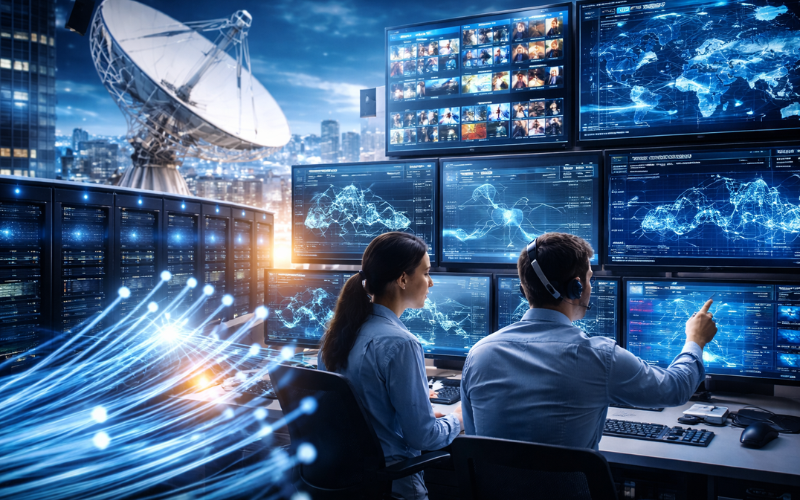
Behind the scenes, a multi system operator operates complex systems that are mostly invisible to everyday users. At the center of this process is signal aggregation. Television channels, satellite feeds, and digital content streams are collected at centralized facilities commonly referred to as headends. These facilities receive content from many sources, ensuring that signals are clean, synchronized, and ready for distribution.
Once the content is prepared, the multi system operator distributes it through its network. This distribution may go to local cable operators who manage neighborhood-level connections, or it may go directly to end users through regional networks. The goal is to ensure stable delivery with minimal disruption, even during peak usage times.
This behind-the-scenes work requires careful coordination, constant monitoring, and regular maintenance. While viewers may only see a channel list or an internet speed indicator, the multi system operator is continuously managing the flow of information to keep services reliable.
The Evolution of the Multi System Operator Beyond Cable Television
The concept of the multi system operator began with cable television, but it has evolved significantly. As viewer habits changed and demand for internet access increased, MSOs expanded their services to stay relevant. This shift marked the transformation from cable-focused businesses into full service communication providers.
Today, a multi system operator often delivers what is commonly called bundled services. These may include television, high-speed internet, and digital voice connections. This evolution was driven by consumer demand for convenience and consistent connectivity across devices.
Streaming platforms, remote work, and online education have further shaped the role of the multi system operator. Instead of only managing channels, MSOs now support data-heavy activities that require strong and stable networks. This evolution reflects how the media industry has moved from one-way broadcasting to interactive, always-connected services.
Infrastructure and Network Responsibilities of a Multi System Operator
A major responsibility of a multi system operator is managing and upgrading network infrastructure. Many MSOs originally relied on coaxial cable systems designed primarily for television signals. Over time, these systems required upgrades to support faster data speeds and higher capacity.
The transition toward fiber-based networks has become an important part of this responsibility. Fiber technology allows a multi system operator to deliver higher speeds, better reliability, and support for modern digital services. These upgrades are not just technical improvements but long-term investments in service quality.
In addition to household services, MSOs increasingly support high-bandwidth needs such as streaming video, cloud services, and mobile network backhaul. These responsibilities place the multi system operator at the center of digital growth, even though the role may not always be visible to users.
Multi System Operator Presence Across Different Countries and Markets
The presence and structure of a multi system operator vary from country to country. In some regions, MSOs operate at a national scale, while in others they focus on specific states or provinces. Despite these differences, the core purpose remains the same: managing multiple systems under one operational framework.
In the United States, companies like Comcast and Charter Communications represent large-scale multi system operators serving millions of customers. In India, MSOs operate within a layered system that includes local cable operators and strict regulatory oversight. Canada also follows a structured approach, with established MSOs supporting both media and internet services.
Across all markets, a multi system operator must adapt to local regulations, infrastructure conditions, and consumer expectations. This flexibility allows the MSO model to function globally while meeting regional needs.
Regulation, Licensing, and Compliance for a Multi System Operator
Regulation plays a significant role in how a multi system operator functions. Because MSOs manage communication infrastructure that affects large populations, governments closely monitor their operations. Licensing frameworks define who can operate, where services can be provided, and how long permissions remain valid.
In many countries, a multi system operator must register with national regulatory authorities and follow clear guidelines related to pricing transparency, service quality, and reporting. Digital standards such as conditional access systems help protect content rights and ensure fair distribution.
Compliance also includes tax responsibilities and periodic audits. These requirements are designed to protect consumers, encourage fair competition, and maintain trust in the communication system. While regulation adds complexity, it also reinforces the credibility and accountability of a multi system operator.
Why the Multi System Operator Model Still Matters in a Digital-First World
Even as technology changes, the multi system operator model remains relevant. Streaming services, mobile data, and cloud platforms all rely on strong underlying networks. MSOs provide the structure needed to support this digital demand at scale.
The ability to manage multiple systems efficiently allows a multi system operator to invest in infrastructure, maintain service standards, and adapt to future technologies. This stability is especially important in regions where connectivity is essential for education, healthcare, and business.
Rather than becoming obsolete, the multi system operator has adjusted its role to meet modern needs. Its continued importance lies in its ability to evolve while maintaining the reliability that users expect.
Conclusion
A multi system operator plays a foundational role in how modern communication works. From managing cable networks to supporting high-speed internet and digital services, the MSO model has evolved with changing technology. Its ability to operate across regions, maintain infrastructure, and meet regulatory standards ensures that it remains a vital part of the digital ecosystem. As connectivity continues to shape everyday life, the importance of a well-functioning multi system operator is likely to remain strong.
FAQs
1. What is a multi system operator and what do they do?
A multi system operator is a company that manages multiple cable or digital networks across different locations. It collects content, manages infrastructure, and delivers television, internet, and related services either directly to users or through local operators.
2. How is a multi system operator different from a local cable operator?
A local cable operator usually serves a specific neighborhood or city, while a multi system operator oversees many such systems across regions. The MSO handles large-scale operations, content aggregation, and network management.
3. Do multi system operators only provide television services?
No, modern multi system operators provide a range of services including broadband internet, digital voice, and data connectivity. Television is now just one part of their overall service offering.
4. Are multi system operators regulated by governments?
Yes, multi system operators are regulated in most countries. They must follow licensing rules, digital standards, and reporting requirements set by government authorities.