

Introduction
Nappa leather is often described as one of the softest and most comfortable types of leather available today. It is widely used in premium products because of its smooth feel, elegant look, and long-lasting quality. If you are planning to buy leather goods or simply want to understand why some products feel more luxurious than others, learning about nappa leather can help you make better and more confident choices.
Understanding What Makes Nappa Leather Unique
Nappa leather stands out because it is not just a type of leather, but a standard of quality. The term is used to describe leather that feels exceptionally soft, flexible, and natural to the touch. Unlike heavily treated leathers, nappa leather keeps much of its original character, which is why it feels comfortable from the first use. Its uniqueness comes from careful selection of hides and gentle processing that preserves softness without sacrificing strength.
Origin of the Term and How It’s Commonly Used Today
The name “nappa” originally comes from Napa Valley in the United States, where this style of leather was first produced in the late 19th century. Over time, the term nappa leather became widely used to describe high-quality, soft leather rather than leather from a specific location. Today, manufacturers around the world use the term to indicate premium leather that meets expectations of comfort, smooth texture, and refined appearance.
The Look and Feel That Sets Nappa Leather Apart
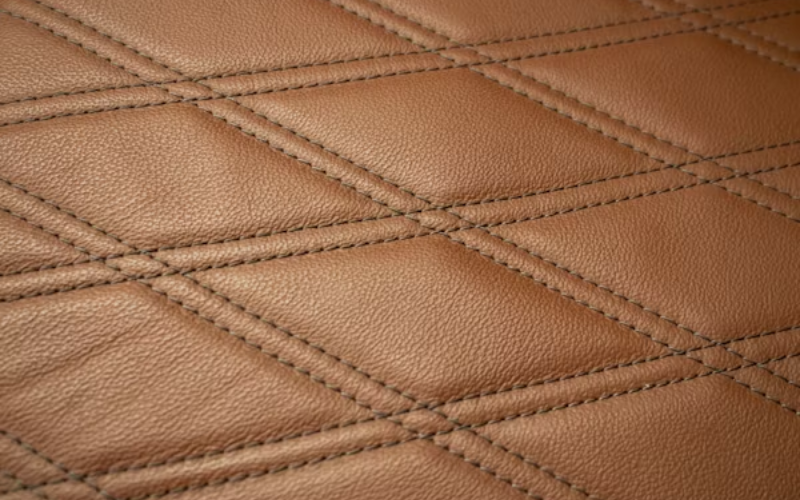
One of the first things people notice about nappa leather is how it feels. The surface is smooth, warm, and gentle, making it pleasant to touch. It does not feel stiff or rough, which is common with lower-quality leathers. Visually, nappa leather has a clean and natural look with subtle grain patterns that add character without looking uneven or overly processed.
This leather also adapts well to movement. When used in clothing, furniture, or accessories, it bends easily and follows natural shapes. Over time, it develops a soft, lived-in feel rather than cracking or becoming uncomfortable. This balance of beauty and comfort is a key reason why premium brands prefer nappa leather for products meant to be used daily.
How Nappa Leather Is Made and Why Quality Varies
The quality of nappa leather can vary depending on how it is made. While the goal is always softness and durability, not all manufacturers follow the same standards. Differences in raw materials and processing methods can result in noticeable changes in feel, strength, and lifespan.
Leather Type, Tanning Methods, and Finishing Differences
Nappa leather is commonly made from high-quality animal hides, such as cow, sheep, or goat. The tanning process plays a major role in determining softness. Gentle tanning methods help keep the leather flexible while still protecting it from damage. Finishing techniques are usually minimal, allowing the natural surface of the leather to remain visible. When shortcuts are taken, the leather may look similar at first but can lose its softness and durability much faster.
Common Uses of Nappa Leather in Everyday Products
Nappa leather is widely used in products where comfort and appearance matter most. It is often found in luxury handbags, wallets, jackets, and shoes because it feels pleasant even after long periods of use. Many high-end furniture brands also choose nappa leather for sofas and chairs, as it provides a soft seating experience while maintaining a refined look.
In addition, nappa leather is popular in car interiors. Seats made from this leather feel comfortable in different temperatures and add a sense of elegance to the vehicle. Its ability to handle regular use while still looking attractive makes it suitable for both personal and professional settings.
Pros and Cons to Consider Before Choosing Nappa Leather
Like any material, nappa leather has both strengths and limitations. One of its biggest advantages is comfort. It feels soft immediately and does not require a long break-in period. It also offers a premium appearance that improves the overall value of a product. When properly cared for, nappa leather can last for many years without losing its appeal.
However, nappa leather can be more sensitive than heavily coated leathers. It may show scratches or marks more easily, especially in lighter colors. It is also usually more expensive, which may not suit every budget. Understanding these factors helps buyers decide whether nappa leather matches their lifestyle and expectations.
Caring for Nappa Leather to Maintain Its Premium Feel
Proper care is essential to keep nappa leather looking and feeling its best. Because it is softer and less treated, it benefits from gentle handling and regular attention. Good care habits help extend its lifespan and preserve its natural beauty.
Cleaning, Conditioning, and Long-Term Storage Basics
Cleaning nappa leather should be done with mild products designed specifically for leather. Harsh chemicals can damage the surface and reduce softness. Conditioning helps keep the leather flexible and prevents it from drying out. When storing items made from nappa leather, it is best to keep them in a cool, dry place away from direct sunlight, as heat and moisture can affect the material over time.
Nappa Leather vs Other Popular Leather Types
When compared to other leather types, nappa leather is known for its softness and comfort. Full-grain leather, for example, is very durable but can feel firmer, especially when new. Corrected leather often has a uniform appearance but lacks the natural feel that nappa leather provides. Synthetic leather may look similar but does not offer the same breathability or long-term aging qualities.
Nappa leather strikes a balance between luxury and usability. It feels refined without being overly delicate and offers a more natural experience than heavily processed alternatives. This makes it a preferred option for people who value both comfort and quality.
Is Nappa Leather Worth the Investment for Long-Term Use?
Whether nappa leather is worth the investment depends on how you plan to use it. For items that are used frequently and come into direct contact with skin, such as seating, clothing, or accessories, the comfort and softness of nappa leather can make a noticeable difference. Over time, it tends to age gracefully, developing character rather than wearing out quickly.
Although the initial cost may be higher, many people find that the long-term satisfaction justifies the price. When properly maintained, nappa leather products can remain attractive and functional for years, making them a practical choice for those who value lasting quality.
Final Thoughts
Nappa leather continues to be a favorite choice for premium brands because it delivers comfort, elegance, and reliable performance in everyday use. Its soft feel, natural look, and ability to age gracefully make it appealing to both manufacturers and consumers. By understanding what nappa leather is, how it is made, and how to care for it, you can decide whether it fits your needs and enjoy its benefits with confidence.
FAQs
1. What is nappa leather made from?
Nappa leather is typically made from high-quality animal hides, such as cow, sheep, or goat, chosen for their softness and strength.
2. Is nappa leather real leather or synthetic?
Nappa leather is real leather. The term refers to the quality and finish, not an artificial or synthetic material.
3. Does nappa leather scratch or wear easily?
Because it is soft and lightly treated, nappa leather can show scratches more easily than harder leathers. With proper care, however, it maintains its appearance well.
4. How long does nappa leather typically last?
With regular care and gentle use, nappa leather can last many years while retaining its comfort and visual appeal.