

Introduction
Obstetrika is a medical field that plays a central role in pregnancy, childbirth, and the early period after birth. People often search for obstetrika when they want to understand how pregnancy care works, what kind of support is provided during childbirth, or how maternal health is protected throughout this important stage of life. In modern healthcare, obstetrika combines medical knowledge, careful monitoring, and patient-centered care to ensure the safety and well-being of both the mother and the baby. This guide explains obstetrika in clear, simple language and shows why it remains essential in today’s healthcare systems.
What Obstetrika Means in Medical and Clinical Practice
Obstetrika refers to the branch of medicine that focuses on pregnancy, labor, delivery, and the period shortly after birth. Its main purpose is to support women through pregnancy while monitoring the health and development of the unborn baby. In clinical practice, obstetrika involves regular checkups, medical assessments, and decision-making based on both routine and complex pregnancy needs.
Unlike general medical care, obstetrika is specifically designed around the physical and emotional changes that occur during pregnancy. It covers everything from confirming pregnancy and tracking fetal growth to managing labor and ensuring safe recovery after delivery. Obstetrika professionals work in hospitals, clinics, and maternity centers, often collaborating with other healthcare providers to give complete and reliable care.
The Role of Obstetrika in Pregnancy and Childbirth Care
The role of obstetrika extends across the entire pregnancy journey. It begins early, often as soon as pregnancy is confirmed, and continues through childbirth and postpartum care. Obstetrika professionals guide patients through medical decisions, explain test results, and help plan for delivery based on individual health needs.
During pregnancy, obstetrika focuses on monitoring progress and identifying potential risks. During childbirth, it supports safe labor and delivery, whether the birth is natural or requires medical assistance. After birth, obstetrika helps ensure that the mother is recovering well and that any complications are addressed promptly. This continuous involvement makes obstetrika a key part of maternal healthcare.
How Obstetrika Supports Maternal and Fetal Health
Obstetrika supports maternal health by closely observing physical changes and responding to any concerns that may arise. Regular checkups help track blood pressure, weight, and overall wellness, which are important indicators of a healthy pregnancy. Early detection of problems allows healthcare providers to take action before complications become serious.
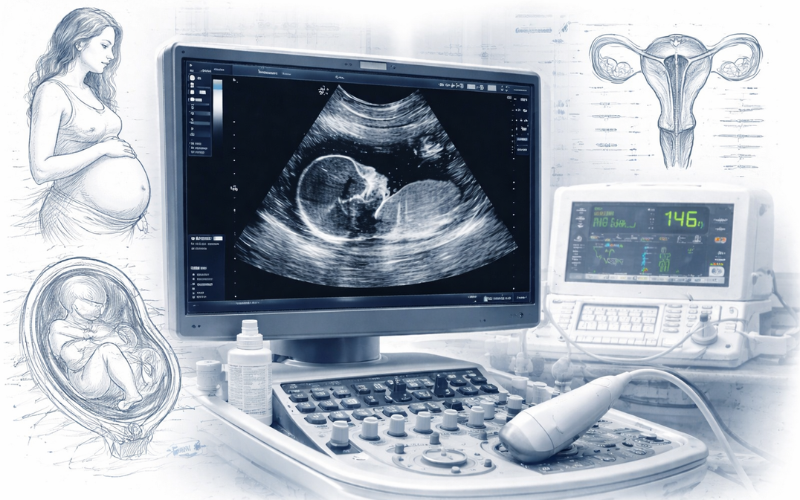
Fetal health is equally important in obstetrika. Monitoring tools such as ultrasounds and routine examinations help track the baby’s growth, position, and development. These assessments allow obstetrika professionals to identify concerns such as growth delays or abnormal positioning and plan appropriate care. By focusing on both the mother and the baby, obstetrika creates a balanced approach that prioritizes safety and positive outcomes.
Key Stages of Care Covered Under Obstetrika
Obstetrika care is usually divided into three main stages: before birth, during delivery, and after birth. Each stage has its own goals and responsibilities, but all are connected by the need for consistent and informed care.
During pregnancy, obstetrika involves regular monitoring, medical guidance, and emotional support. As delivery approaches, care shifts toward preparing for labor and managing the birth process safely. After the baby is born, obstetrika continues to support recovery and address any health concerns that may appear during the postpartum period. This structured approach helps ensure continuity and trust between patients and healthcare providers.
Prenatal Monitoring and Risk Assessment
Prenatal care is one of the most important aspects of obstetrika. It involves scheduled visits that allow healthcare providers to track the progress of pregnancy and assess potential risks. These visits help confirm that both the mother and baby are developing as expected.
Risk assessment is a key part of prenatal obstetrika. Factors such as age, medical history, and previous pregnancies are considered when evaluating potential challenges. By identifying risks early, obstetrika professionals can recommend lifestyle adjustments, additional monitoring, or specialized care when needed. This proactive approach helps reduce complications and supports healthier pregnancies.
Care During Labor and Delivery
Labor and delivery are critical moments where obstetrika plays a direct and active role. During this stage, healthcare providers monitor contractions, the baby’s heart rate, and the mother’s condition to ensure a safe birth process. Obstetrika care adapts to the situation, whether labor progresses smoothly or requires medical intervention.
In some cases, obstetrika may involve assisted delivery methods or surgical procedures to protect the health of the mother and baby. Clear communication and quick decision-making are essential during this stage. The goal of obstetrika during delivery is to support a safe outcome while respecting the patient’s needs and medical circumstances.
Postpartum Follow-Up and Recovery Support
After childbirth, obstetrika continues to play an important role in recovery. The postpartum period involves physical healing, emotional adjustment, and monitoring for any delayed complications. Obstetrika care during this stage focuses on ensuring that the mother is recovering well and receiving the support she needs.
Follow-up visits allow healthcare providers to check healing progress, address concerns such as pain or fatigue, and offer guidance on postpartum health. Obstetrika also helps identify conditions that may appear after delivery, ensuring timely treatment and reassurance for new mothers.
Obstetrika Compared to Related Medical Fields
Obstetrika is often confused with other areas of women’s healthcare, but it has a distinct focus. Understanding these differences helps patients choose the right type of care and know what to expect from each medical specialty.
While obstetrika centers on pregnancy and childbirth, related fields may focus on different stages of life or types of care. Obstetrika professionals often work alongside other specialists, but their responsibilities are clearly defined by their focus on maternal and fetal health.
Obstetrika vs Gynecology
Obstetrika and gynecology are closely connected but not the same. Obstetrika deals specifically with pregnancy, childbirth, and postpartum care. Gynecology focuses on the broader reproductive health of women, including menstrual health, hormonal issues, and non-pregnancy-related conditions.
Many healthcare providers are trained in both fields, but obstetrika becomes the primary focus during pregnancy. Understanding this difference helps patients know which specialist to consult based on their healthcare needs.
Obstetrika vs Midwifery Care
Midwifery care and obstetrika share the goal of supporting pregnancy and childbirth, but they differ in approach and scope. Obstetrika is medically focused and often involved in managing complex or high-risk pregnancies. Midwifery care typically emphasizes natural birth and ongoing personal support for low-risk pregnancies.
Both approaches can be valuable, and in many healthcare systems, obstetrika and midwifery professionals work together. The choice between them depends on medical needs, personal preferences, and available healthcare services.
Common Conditions and Situations Managed in Obstetrika
Obstetrika addresses a wide range of situations, from routine pregnancies to more complex medical cases. Its flexibility allows healthcare providers to adapt care plans based on individual needs without overwhelming patients with unnecessary details.
By focusing on practical and real-world situations, obstetrika ensures that both common and serious conditions are handled with care and attention. This adaptability makes obstetrika an essential part of modern maternity care.
High-Risk Pregnancies and Complications
Some pregnancies require closer attention due to medical conditions or unexpected complications. Obstetrika plays a vital role in managing these high-risk situations by providing advanced monitoring and specialized care.
High-risk obstetrika may involve more frequent checkups, additional tests, or coordinated care with other medical specialists. The goal is to reduce risks and support the best possible outcome for both the mother and the baby.
Routine vs Specialized Obstetrical Care
Not all pregnancies require the same level of care. Routine obstetrika focuses on regular monitoring and guidance for healthy pregnancies, while specialized obstetrika addresses complex cases that need extra attention.
This distinction allows healthcare systems to allocate resources effectively while ensuring that every patient receives appropriate care. Obstetrika professionals adjust their approach based on medical findings, ensuring personalized and responsive care.
Why Obstetrika Remains Essential in Modern Healthcare Systems
Obstetrika remains essential because pregnancy and childbirth require specialized knowledge and careful management. Advances in medical technology and research have strengthened obstetrika, making it safer and more effective than ever before.
Modern obstetrika emphasizes evidence-based care, patient safety, and clear communication. It adapts to new medical standards while maintaining a strong focus on human-centered care. As healthcare systems evolve, obstetrika continues to play a key role in protecting maternal and infant health.
Conclusion
Obstetrika is a vital medical field that supports women through pregnancy, childbirth, and recovery. By focusing on both maternal and fetal health, obstetrika ensures safe and informed care at every stage. Its role in modern healthcare continues to grow as medical standards evolve and patient needs become more personalized. Understanding obstetrika helps patients make confident decisions and appreciate the care that supports one of life’s most important journeys.
FAQs
1. What is obstetrika responsible for during pregnancy?
Obstetrika is responsible for monitoring pregnancy progress, supporting maternal health, and ensuring the baby’s healthy development from early pregnancy through birth.
2. How is obstetrika different from gynecology?
Obstetrika focuses on pregnancy and childbirth, while gynecology addresses general reproductive health issues not related to pregnancy.
3. When should a patient consult an obstetrika specialist?
A patient should consult an obstetrika specialist as soon as pregnancy is confirmed or when planning pregnancy care and delivery.
4. Does obstetrika only focus on childbirth?
No, obstetrika covers pregnancy, labor, delivery, and postpartum care, providing support before and after childbirth as well.