

Introduction
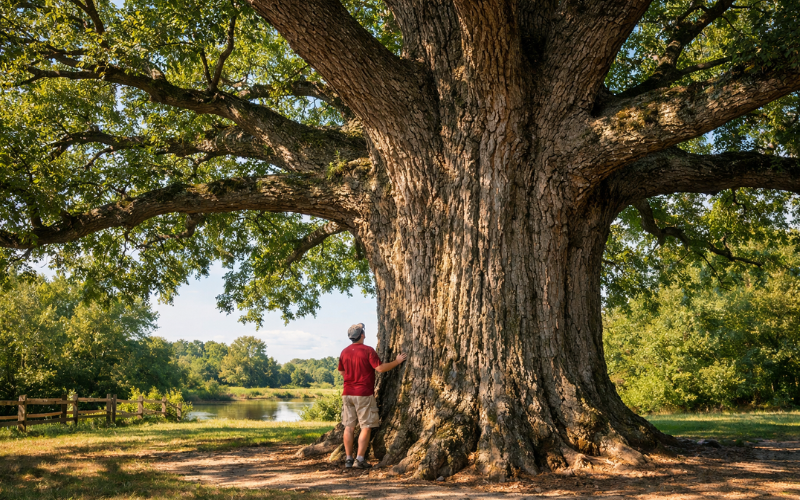
Ohio is home to some of the largest and oldest trees in the Midwest, and many of them are officially recognized as champion trees. These special trees are not just impressive because of their size, but because of what they represent: history, resilience, and the natural heritage of the state. In recent years, growing attention has focused on ohio champion trees delaware county usd lewis center, as this area has become an important location for record-breaking trees, nature education, and community awareness.
For tree lovers, researchers, students, and local residents, Delaware County and the Lewis Center area offer a unique chance to connect with Ohio’s natural legacy. Champion trees here stand as living landmarks, quietly telling stories of the land, the climate, and the people who have cared for them over generations.
Understanding Ohio Champion Trees and Why They Matter
The Ohio Champion Tree program exists to identify, recognize, and celebrate the largest known trees of each species growing in the state. These trees are measured and compared using a standard system so that only the most outstanding examples earn the title of “champion.” The program is overseen by organizations such as the Ohio Department of Natural Resources, working alongside forestry experts and local volunteers.
Champion trees are identified based on size, not age alone. Measurements typically include trunk circumference, tree height, and the width of the canopy. Once a tree earns enough points to surpass others of the same species, it can be officially recognized as a champion. This careful process ensures fairness and accuracy across the state.
Beyond records and measurements, these trees matter because they help people understand the value of conservation. Champion trees serve as outdoor classrooms, showing how healthy ecosystems allow trees to grow for decades or even centuries. They also help researchers study climate patterns, soil quality, and long-term environmental change in Ohio.
Delaware County’s Role in Ohio’s Champion Tree History
Delaware County holds a special place in Ohio’s champion tree history. Compared to many other counties, it benefits from a balance of suburban development, preserved green spaces, and long-established woodlands. This mix has allowed large trees to survive and thrive, even as nearby areas have grown more urban.
The county’s environmental significance comes from its location in central Ohio, where different soil types and natural habitats meet. This creates ideal conditions for a wide range of tree species. Over time, Delaware County has produced several trees that compete strongly at the state level for champion status.
Public interest in local champion trees has also grown. Residents are increasingly curious about the natural landmarks in their own neighborhoods. Schools, nature groups, and local parks have helped raise awareness, making champion trees part of community pride rather than hidden secrets.
Champion Trees Found Near USD Lewis Center
The Lewis Center area, located within Delaware County, has gained attention for trees that are either officially recognized champions or strong contenders. While not every large tree is publicly marked, many are located near parks, preserved lands, or low-traffic areas where they can be safely visited and studied.
The proximity of these trees to USD Lewis Center makes them especially accessible for students, families, and researchers. Instead of traveling far across the state, people can observe remarkable trees close to home. This accessibility supports education and encourages respect for local nature.
One reason champion trees grow well here is stability. Many areas around Lewis Center have avoided heavy land disturbance, allowing trees to grow undisturbed for long periods. Combined with good soil and steady rainfall, this creates an environment where trees can reach exceptional size.
Tree Species Commonly Recognized as Champions in the Area
Delaware County and the Lewis Center region are known for native hardwood species that grow large and live long. Oaks, maples, sycamores, and hickories are common examples that often appear on champion tree lists or ranking charts across Ohio.
These legacy species thrive because the local environment supports deep root growth and strong trunk development. Healthy soil, access to water, and limited stress from pollution or overcrowding allow trees to grow steadily year after year. Over time, this results in trees that are not only tall, but wide and structurally strong.
The presence of older properties, preserved parkland, and rural edges around Lewis Center also means fewer trees are removed before reaching maturity. This long-term growth is essential for producing champion-sized trees.
How Champion Trees Are Measured and Verified in Ohio
Ohio uses a point system to determine champion trees. This system combines trunk circumference, total height, and average canopy spread into a single score. The tree with the highest score in its species category earns champion status.
Measurements are usually taken by trained forestry experts or experienced volunteers. Accuracy is critical, so tools and methods follow clear guidelines. Trees are often re-measured over time, especially if another tree challenges the current champion’s score.
Updates and re-verification ensure that the champion tree list remains current. Trees can lose their status due to storm damage, disease, or natural decline. This ongoing process keeps the program honest and focused on living, healthy examples of each species.
Why Lewis Center Is an Ideal Environment for Champion Trees
One of the biggest advantages of Lewis Center is soil quality. Central Ohio soil tends to be fertile and well-drained, allowing tree roots to spread deeply and securely. This strong foundation supports taller growth and wider canopies over time.
Land use patterns also play a role. While development has increased, many areas around Lewis Center still prioritize green spaces, setbacks, and natural preservation. This balance helps protect older trees instead of removing them.
Climate is another key factor. Central Ohio experiences a moderate climate with enough rainfall to support growth, but without extreme conditions that can stress trees year-round. This steady environment allows trees to grow consistently, increasing their chances of becoming champions.
How Residents Can Visit and Respect Champion Trees
Visiting champion trees can be a rewarding experience, but respect is essential. Many trees are located on public land, while others may be on private property. Visitors should always confirm access and follow posted rules.
Responsible viewing means keeping a safe distance, avoiding damage to roots or bark, and limiting foot traffic around the base of the tree. Photography is encouraged, but climbing or touching sensitive areas can cause harm.
Preservation matters more than promotion. Champion trees do not need heavy signage or crowds to be valuable. Their importance lies in their health, longevity, and role in the ecosystem, not in constant attention.
Protecting Champion Trees for Future Generations
Champion trees face real threats. Development pressure, invasive pests, severe storms, and disease can all shorten a tree’s life. Even small changes in land use can impact root systems and water access.
Local and state conservation efforts play a major role in protection. Programs supported by the Ohio Department of Natural Resources and county-level planning aim to balance growth with preservation. These efforts help ensure that large, old trees are considered during development decisions.
Community involvement is equally important. When residents understand the value of champion trees, they are more likely to support protective policies and responsible land management. Awareness leads to action, and action leads to long-term preservation.
Conclusion
The story of ohio champion trees delaware county usd lewis center is about more than records and measurements. It is about respect for nature, community awareness, and the quiet strength of trees that have grown for generations. Delaware County and the Lewis Center area offer a clear example of how thoughtful land use and natural conditions can support extraordinary trees.
FAQs
1. What is considered a champion tree in Ohio?
A champion tree is the largest known tree of its species in Ohio, based on a standard point system that measures size and spread.
2. Are there officially recognized champion trees near USD Lewis Center?
Yes, the Lewis Center area has recorded champion and near-champion trees, thanks to favorable growing conditions and preserved land.
3. Can anyone nominate a tree in Delaware County for champion status?
Yes, nominations are typically open to the public, but the tree must be measured and verified by qualified individuals.
4. Are champion trees protected by law in Ohio?
Champion status does not automatically provide legal protection, but it often increases awareness and encourages conservation efforts.