

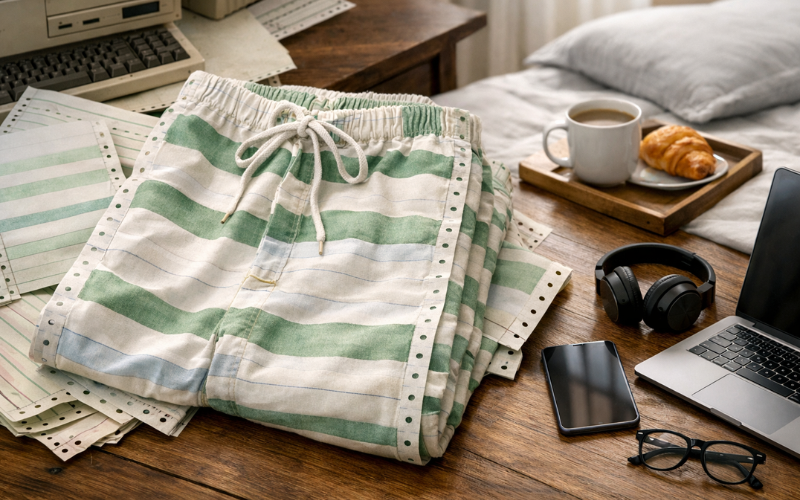
Introduction
The word pyjamaspapper may sound playful at first, but it carries an interesting story that connects old technology with modern living. What began as a humorous Swedish term for striped computer paper has, over time, taken on a completely new meaning. In 2026, pyjamaspapper is increasingly used to describe a lifestyle and fashion mindset focused on comfort, simplicity, and everyday ease. This article explains how pyjamaspapper evolved, what it means today, and why it resonates so strongly with modern readers who value wellness and relaxed living.
The Original Meaning of Pyjamaspapper in Swedish Culture
Originally, pyjamaspapper belonged to the world of early computing. In Sweden, the term was used as informal slang rather than an official technical label. During the era of mainframe computers and early office systems, large continuous sheets of paper were commonly used for printing data, invoices, and reports. These papers were fed through printers using perforated edges and were known as tractor-feed or continuous-form paper.
What made this paper memorable was its appearance. Many versions featured light blue or green horizontal stripes running across a white background. To people working long hours in offices or computer rooms, the striped pattern looked surprisingly similar to classic pajamas. Over time, this visual similarity led to the nickname pyjamaspapper, literally meaning “pajama paper.” The term spread casually among technicians, office workers, and students, becoming part of everyday language in tech-related environments.
Why Old Computer Paper Looked Like Pajamas
The striped design of early computer paper was not created for style. The lines helped users read long rows of numbers and text more easily, reducing eye strain when working with dense information. Alternating colors also made it simpler to track data across wide pages.
Despite its practical purpose, the soft colors and repetitive stripes reminded many people of sleepwear patterns that were common at the time. Pajamas with similar horizontal lines were widely worn, especially in colder climates. The comparison felt natural and slightly humorous, which is why the nickname pyjamaspapper stuck. It added a human touch to an otherwise technical and rigid work environment, showing how language often reflects everyday experiences.
How Pyjamaspapper Evolved Beyond Technology
As technology advanced, tractor-feed paper slowly disappeared from daily use. Modern printers, digital documents, and paperless systems made pyjamaspapper obsolete in its original form. However, the word itself did not vanish. Like many cultural terms, it began to take on new meanings as society changed.
In recent years, language has increasingly blended with lifestyle trends. Old words are often reused in creative ways, especially when they carry a sense of nostalgia or visual imagery. Pyjamaspapper, with its strong association with comfort and softness, became a fitting expression in a time when people started rethinking how they live and dress. The shift toward remote work, home-centered routines, and wellness-focused living created space for the term to be reimagined.
Instead of referring to paper, pyjamaspapper started to describe a feeling. It became a symbol of relaxed comfort that still feels acceptable and presentable in daily life. This evolution shows how language adapts to reflect new priorities and cultural values.
Pyjamaspapper as a 2026 Lifestyle Concept
In 2026, pyjamaspapper is best understood as a lifestyle concept built around “fashionable comfort.” It represents clothing and habits that prioritize softness, ease, and emotional well-being without looking careless or unpolished. The idea is not about wearing sleepwear all day, but about choosing garments that feel gentle on the body while still fitting into everyday situations.
Modern pyjamaspapper blurs the traditional boundaries between pajamas, loungewear, and casual outfits. Clothes inspired by this concept are designed to transition smoothly from morning routines to remote meetings, from quiet evenings at home to short trips outside. This flexibility reflects how modern life no longer follows strict divisions between work, rest, and personal time.
Rather than focusing on trends or bold fashion statements, pyjamaspapper emphasizes how clothing feels and functions. It supports a slower pace of life and encourages people to dress in ways that align with comfort and self-care.
Where Pyjamaspapper Fits in Daily Life
The rise of remote and hybrid work has played a major role in the popularity of pyjamaspapper. Many people now spend large parts of their day at home, balancing professional tasks with personal activities. Clothing that feels restrictive or overly formal no longer fits this reality. Pyjamaspapper-inspired outfits allow individuals to stay comfortable while still appearing neat and appropriate on video calls or during short outings.
At home, pyjamaspapper supports relaxation without signaling the end of productivity. Soft fabrics and relaxed fits help people unwind, while clean designs maintain a sense of structure. This balance is especially valuable for those who want their environment and clothing to support both focus and rest.
Outside the home, pyjamaspapper works well for casual errands and informal social settings. The clothing associated with this concept is designed to look intentional rather than lazy, making it suitable for cafés, walks, or quick meetups. This versatility is one of the key reasons why the concept continues to grow.
Comfort, Wellness, and the Psychology Behind Pyjamaspapper
Comfort plays a powerful role in mental and emotional well-being. Pyjamaspapper connects directly to this idea by promoting clothing that reduces physical tension and supports a calm state of mind. When clothes feel soft and non-restrictive, the body naturally relaxes, which can help lower stress levels throughout the day.
Another important factor is confidence. Pyjamaspapper allows people to feel relaxed without feeling underdressed. This combination supports a positive self-image, especially in environments where personal and professional life overlap. Wearing comfortable yet presentable clothing can improve mood and reduce the mental effort required to switch between roles.
The concept also aligns closely with minimalism and slow-living philosophies. By choosing fewer, more versatile garments, individuals can simplify their wardrobes and daily decisions. This reduction in choice overload contributes to mental clarity and a more intentional lifestyle, which many people actively seek in today’s fast-paced world.
Materials and Design That Define Pyjamaspapper
Materials are central to the pyjamaspapper concept. Fabrics such as cotton, bamboo blends, silk, and flannel are commonly associated with this style because they are gentle on the skin and breathable. These materials help regulate body temperature and provide a sense of softness that supports relaxation.
Design choices are equally important. Pyjamaspapper favors simple cuts, loose fits, and timeless patterns rather than seasonal trends. Neutral colors, subtle stripes, and understated details reflect the original visual inspiration of the term while keeping the look modern and wearable.
This focus on quality and comfort over decoration ensures that pyjamaspapper clothing remains relevant across different settings and seasons. It also supports durability, encouraging people to invest in pieces that last rather than constantly replacing their wardrobe.
Why Pyjamaspapper Aligns With Modern Minimalist Living
Minimalist living emphasizes intentional choices, reduced clutter, and greater focus on well-being. Pyjamaspapper fits naturally within this mindset. Instead of owning separate outfits for sleeping, working from home, and casual outings, people can rely on fewer garments that serve multiple purposes.
This versatility reduces consumption and supports sustainability. By choosing comfortable, well-made clothing that works in many situations, individuals can lower their environmental impact and avoid unnecessary purchases. Pyjamaspapper encourages mindful consumption rather than fast fashion habits.
At the same time, the concept proves that comfort does not have to mean sacrificing appearance. Pyjamaspapper demonstrates how thoughtful design can support both ease and style, making it easier to live simply without feeling limited.
Common Misunderstandings About Pyjamaspapper
One common misunderstanding is that pyjamaspapper refers only to pajamas. In reality, it describes a broader approach to clothing and lifestyle that values comfort throughout the day. While sleepwear may influence the aesthetic, the concept extends far beyond the bedroom.
Another misconception is that pyjamaspapper is a brand or specific product line. It is not. Pyjamaspapper is a descriptive term and cultural idea rather than a trademark or company name. It can be expressed in many different ways depending on personal taste and lifestyle.
Some people also believe that pyjamaspapper is only suitable for nighttime or indoor use. Modern interpretations clearly show that it is designed for flexible, everyday wear, including social and semi-public settings.
Conclusion
Pyjamaspapper is a unique example of how language, culture, and lifestyle intersect. What started as a lighthearted Swedish term for striped computer paper has transformed into a meaningful concept that reflects modern values. In 2026, pyjamaspapper stands for comfort, simplicity, and thoughtful living. By embracing clothing and habits that support well-being without sacrificing appearance, pyjamaspapper captures the spirit of a world that increasingly values balance over pressure and ease over excess.
FAQs
1. What does pyjamaspapper mean today?
Today, pyjamaspapper refers to a comfort-first lifestyle and clothing concept. It describes soft, relaxed garments that are comfortable enough for rest but stylish enough for everyday home life, remote work, and casual outings.
2. Is pyjamaspapper a fashion trend or a lifestyle concept?
Pyjamaspapper is more than a fashion trend. It represents a lifestyle approach that values comfort, simplicity, and well-being, reflecting how people live and work in modern, flexible environments.
3. How is modern pyjamaspapper different from traditional pajamas?
Traditional pajamas are designed mainly for sleep, while modern pyjamaspapper clothing is made for all-day wear. It combines the softness of sleepwear with designs that look appropriate outside the bedroom.
4. Why has pyjamaspapper become popular in recent years?
Pyjamaspapper has gained popularity due to remote work, changing daily routines, and a stronger focus on mental wellness. People now prefer clothing that supports comfort without sacrificing a neat, presentable appearance.