

Introduction
A tennis paddle may look simple at first glance, but choosing the right one can make a real difference in how comfortable and enjoyable your game feels. Many players use the term “tennis paddle” without fully understanding what it means or how it compares to other tennis equipment. This guide explains what a tennis paddle is, who it is best suited for, and how to choose one that matches your skill level and playing style, so you can make a confident and informed decision.
Understanding What a Tennis Paddle Really Is
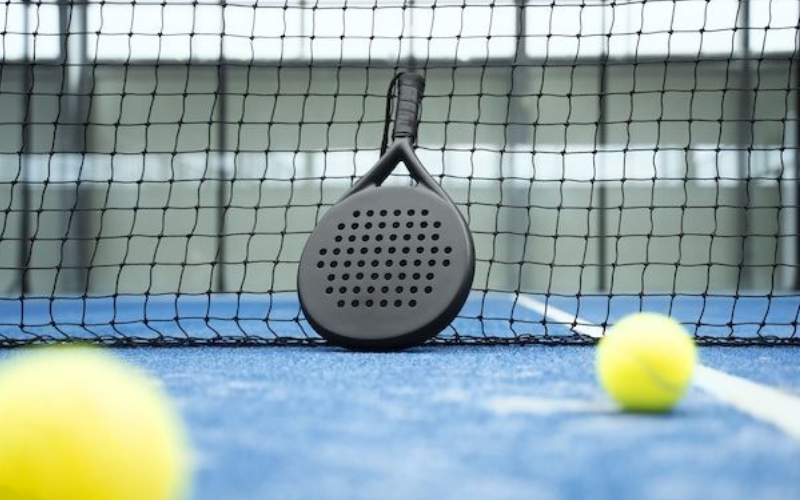
The term tennis paddle is often used in casual conversation, especially by beginners or recreational players. In general, it refers to a solid-faced paddle-style piece of equipment used to hit a tennis ball. Unlike traditional tennis rackets, a tennis paddle does not usually have strings. Instead, it has a flat, solid surface designed for controlled contact with the ball.
Tennis paddles are sometimes confused with rackets used in paddle tennis or similar sports, but in many cases, people use the phrase simply to describe an easier-to-handle alternative to a full-sized tennis racket. The idea behind a tennis paddle is simplicity. It is designed to be straightforward, durable, and easy to use, especially for players who are new to tennis or who play casually.
Compared to other tennis equipment, a tennis paddle focuses less on power and spin and more on control and consistency. This makes it appealing to players who want a relaxed playing experience without worrying too much about advanced techniques or equipment adjustments.
Key Differences Between Tennis Paddles and Traditional Tennis Rackets
Understanding the differences between a tennis paddle and a traditional tennis racket helps players choose the right tool for their needs and avoid confusion when shopping or learning the game.
Design and Shape Differences
A tennis paddle usually has a solid hitting surface with no strings. Its shape is often more compact, with a shorter handle and a thicker face. Traditional tennis rackets, on the other hand, have a large oval head strung with tensioned strings and a longer handle designed for two-handed or one-handed grips.
The solid face of a tennis paddle means there is less flexibility when the ball makes contact. This can reduce the “spring” effect that strings provide, resulting in a more predictable and controlled hit. Rackets rely heavily on string tension and frame design to create power and spin, while paddles rely more on direct contact.
Performance and Play Style Impact
The way a tennis paddle performs on the court is different from a traditional racket. With a paddle, shots tend to be slower and more controlled. This can be helpful for learning basic strokes, improving hand-eye coordination, or playing short, friendly matches.
Traditional tennis rackets allow for more advanced play. Players can generate topspin, slice, and strong serves more easily. A tennis paddle is less forgiving when it comes to advanced techniques, but it offers stability and ease of use. For many players, especially beginners, this trade-off feels comfortable and encouraging.
Who Should Use a Tennis Paddle
A tennis paddle is not designed for every type of player, but it can be a great option in certain situations and for certain skill levels.
Beginners and Casual Players
Beginners often struggle with timing, grip control, and ball contact when using a full-sized tennis racket. A tennis paddle simplifies these challenges. Its solid surface makes it easier to connect with the ball, and its balanced design helps new players feel more confident from the first swing.
Casual players who play tennis for fun, fitness, or social reasons may also enjoy using a tennis paddle. It requires less adjustment and maintenance, and it allows players to focus on movement and enjoyment rather than technique.
Recreational vs Competitive Use
For recreational play, a tennis paddle can be an excellent choice. It suits relaxed games, practice sessions, and informal matches. However, for competitive tennis, especially in official leagues or tournaments, traditional rackets are usually required.
Players who want to improve seriously or compete regularly may eventually move away from a tennis paddle as their skills grow. Still, many players keep a paddle as a training tool or for casual games where simplicity is preferred.
Materials Used in Modern Tennis Paddles
The material of a tennis paddle plays a key role in how it feels, how long it lasts, and how it performs during play. Modern paddles are designed to balance durability, comfort, and control.
Wood, Composite, and Modern Materials
Older tennis paddles were often made of wood. Wooden paddles are sturdy and have a classic feel, but they tend to be heavier and less responsive. Today, most tennis paddles use composite materials, such as layered plastics, fiberglass, or lightweight cores.
Modern materials allow manufacturers to reduce weight while maintaining strength. These paddles feel easier to swing and place less strain on the wrist and arm. Some designs also include soft outer layers to reduce vibration during ball contact.
How Material Affects Control and Durability
The choice of material affects how much control a player has over the ball. Softer materials often provide better touch and comfort, while firmer materials offer more durability and consistent performance.
Durability is especially important for beginners and recreational players who may hit the paddle against the ground or frame accidentally. A well-made tennis paddle with modern materials can last for years with basic care, making it a practical and cost-effective choice.
How Weight, Grip, and Balance Affect a Tennis Paddle
The feel of a tennis paddle in your hand matters just as much as how it looks. Weight, grip size, and balance all influence comfort and performance.
A lighter tennis paddle is easier to swing and control, especially for beginners or younger players. It reduces fatigue and allows longer practice sessions without discomfort. Heavier paddles may feel more stable, but they can be tiring if the player is not used to them.
Grip size is another important factor. A grip that is too small can cause the paddle to twist during contact, while a grip that is too large can feel awkward and reduce control. A comfortable grip allows relaxed handling and smoother swings.
Balance refers to how weight is distributed across the paddle. A balanced paddle feels even in the hand and is easier to manage. Head-heavy paddles can add power but may feel harder to control. For most players using a tennis paddle, a balanced design offers the best overall experience.
Choosing the Right Tennis Paddle for Your Skill Level
Selecting the right tennis paddle depends largely on your experience and goals. Matching the paddle to your skill level helps you enjoy the game and develop confidence.
What to Look for as a Beginner
Beginners should look for a tennis paddle that feels comfortable and easy to handle. A lightweight design with a soft grip and balanced feel is ideal. Durability is also important, as beginners may be rougher on equipment while learning.
A beginner-friendly tennis paddle should not feel intimidating. It should encourage practice and make it easy to keep the ball in play. Comfort and control matter more than power at this stage.
Considerations for Improving Players
Players who have some experience may want a tennis paddle that offers slightly more responsiveness. As skills improve, players often look for better feedback and precision.
An improving player might choose a paddle with a firmer face or a more refined balance. While still simple compared to a traditional racket, the paddle should support more accurate shots and consistent rallies.
Common Mistakes People Make When Buying a Tennis Paddle
One common mistake is assuming that all tennis paddles are the same. In reality, differences in weight, material, and grip can greatly affect comfort and performance. Buying without holding or testing a paddle can lead to disappointment.
Another mistake is choosing a paddle that is too heavy or uncomfortable, thinking it will improve performance. In most cases, comfort leads to better results than force. Players should prioritize how the paddle feels during use.
Some buyers also expect a tennis paddle to perform like a professional tennis racket. This misunderstanding can lead to unrealistic expectations. A tennis paddle is designed for simplicity and control, not advanced competitive play.
Conclusion
A tennis paddle offers a simple, approachable way to enjoy tennis, especially for beginners and casual players. By understanding what a tennis paddle is, how it differs from traditional rackets, and what features matter most, players can make choices that suit their comfort and goals. Whether you are just starting out or looking for a relaxed way to play, the right tennis paddle can help you enjoy the game with confidence and ease.
FAQs
1. What is a tennis paddle used for?
A tennis paddle is used for hitting a tennis ball in casual or recreational play. It focuses on control and ease of use rather than advanced techniques.
2. Is a tennis paddle different from a tennis racket?
Yes, a tennis paddle usually has a solid face instead of strings and is designed to be simpler and easier to handle than a traditional tennis racket.
3. Can beginners start with a tennis paddle?
Beginners can absolutely start with a tennis paddle. It can help build confidence, improve coordination, and make learning tennis more enjoyable.
4. How long does a tennis paddle typically last?
With normal use and basic care, a quality tennis paddle can last several years, especially when made from modern composite materials.