

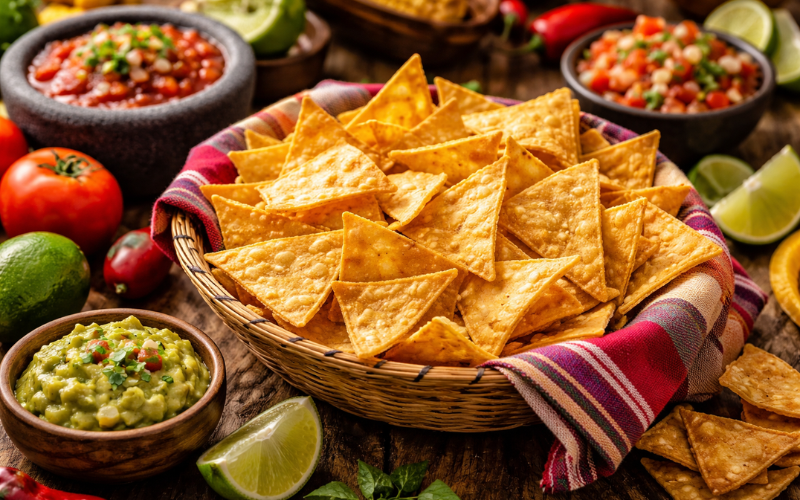
Introduction
Totopos are more than “just tortilla chips.” They’re a traditional Mexican crisp corn snack with deep roots, especially in Oaxaca, and they’re still used today in everyday meals like chilaquiles and bean dishes. In this guide, you’ll learn what totopos are, where they come from, how they’re made, what makes them different from regular tortilla chips, and how to choose good-quality totopos when you’re shopping.
What Totopos Are and Why They Matter in Mexican Cuisine
Totopos are crispy pieces of corn tortilla that are toasted, baked, or fried until they become firm and crunchy. In many places, the word “totopos” is used the same way people use “tortilla chips.” But in traditional contexts—especially in Oaxaca—totopos can mean something more specific: a food made with care, often from nixtamalized corn dough (masa), and prepared in a way that gives it a distinctive crunch and flavor.
They matter in Mexican cuisine because they solve a simple need in a smart way: they help stretch food and reduce waste. When tortillas were left over, families could dry and toast them so they wouldn’t spoil. That practical habit became a tradition, and over time totopos became part of the everyday table—something to eat with salsa, beans, or stews, and something to build full dishes around.
Totopos also matter because of how they “carry” flavor. A good totopo is not only crunchy; it also tastes like corn. It has a toasted aroma and a satisfying bite that works well with dips and sauces. In many Mexican meals, that crunch is not a side detail—it’s part of the balance of textures that makes the dish feel complete.
The Cultural Origins of Totopos in Oaxaca
When people talk about traditional totopos, Oaxaca often comes up first. Oaxaca is known for strong food traditions built around corn, and totopos fit into that story. The idea of preserving tortillas by drying and toasting them is closely tied to daily life: make tortillas, use what you need, and save the rest in a form that lasts longer.
In older methods, tortillas could be dried and toasted in ways that used the tools available at the time. You may see references to clay ovens and clay griddles, and to a style of toasting that creates a very dry, crisp result. Even if a modern kitchen doesn’t use those exact tools, the goal remains the same: turn cooked corn dough into a crunchy, long-lasting food with a deep corn taste.
There’s also the meaning behind the word “totopos,” which is often connected to an older language tradition and described as something like “noisy to chew.” Whether you take that meaning literally or not, it points to the most obvious thing about totopos: their crispness. They are meant to crackle when you bite them. That sound is part of the experience, and it’s one reason people remember them.
Most importantly, the Oaxacan connection highlights that totopos are not a modern invention. They’re part of a long line of corn-based foods that use simple ingredients and practical techniques. When you understand that history, totopos stop feeling like a generic snack and start feeling like a traditional food with a place in real meals.
What Makes Authentic Totopos Different from Regular Tortilla Chips
Authentic-style totopos tend to have a strong corn flavor, a drier crispness, and a sturdier bite. Some are thinner and shatter easily, while others are thicker and hold up well in sauces. You may also notice that traditional totopos can be round, not only triangular, and some have small holes across the surface. Those holes are not decoration; they often help the totopos crisp evenly and keep their texture consistent.
Ingredients also matter. Many high-quality totopos aim for a short, simple ingredient list that starts with corn and uses salt and oil (if fried) without adding extra flavors that cover up the taste of the corn. The more the product tastes like toasted corn, the closer it usually feels to the traditional idea of totopos.
Another subtle difference is the “purpose” in the kitchen. Many standard tortilla chips are made mainly for dipping. Totopos can be for dipping too, but they’re also made to be used in dishes where they meet sauces and still keep some structure. In other words, totopos often work as an ingredient, not only as a snack.
Traditional and Modern Methods of Making Totopos
Totopos can be made in several ways, and each method changes the final result. Traditional methods often focus on drying and toasting, while modern methods frequently use frying for speed and strong crunch.
Toasting is one of the oldest approaches. A tortilla can be cooked, then dried, then toasted until it becomes rigid and crisp. This method can create a deep, roasted corn flavor and a very dry crunch. When totopos are toasted well, they can feel lighter and less oily than fried chips, while still being satisfying.
Frying is common today because it creates a bold crunch quickly. Fried totopos often have a richer mouthfeel, and they can be very crisp with a slightly bubbly surface. The oil also carries salt well, which is why fried totopos can taste more “snack-like,” even when they’re made from simple ingredients.
Baking is a popular option for people who want a lighter version. Baked totopos can still be crunchy, but they may be a bit drier and less rich than fried ones. The key is to bake them long enough to remove moisture without burning them. When baked carefully, totopos can stay crisp and still taste strongly of corn.
No matter the method, quality starts earlier than cooking. The corn itself, the masa, and how the dough is prepared all affect the final chip. That’s why two bags of “totopos” can taste completely different even if they look similar.
How Totopos Are Used in Everyday Mexican Cooking
Totopos are often served with salsa, guacamole, or beans, but their role goes beyond party snacks. In many homes, totopos are part of everyday eating because they’re practical, tasty, and easy to pair with common foods.
One of the most classic uses is chilaquiles. In this dish, totopos (or tortilla chips made in the totopo style) are combined with salsa and warmed until they reach a texture that’s not fully crunchy and not fully soft. A good plate of chilaquiles has contrast: some pieces soak up sauce and become tender, while others keep a bite. That balance is part of what makes the dish comforting and satisfying.
Totopos are also used as a side or topping. Crushed totopos can add crunch to soups or bean dishes, or they can sit on the side and be eaten in between bites. When meals are centered on beans, stews, or saucy foods, a crunchy corn bite helps break up the texture and keeps the meal from feeling too heavy.
Regional habits can shape how totopos are eaten. In some places they might be thicker, meant to scoop hearty dips. In others they might be very dry and crisp, meant to last longer and be used across multiple meals. That flexibility is part of what keeps totopos relevant: they fit into simple home cooking, not just special occasions.
How to Choose High-Quality Totopos in Stores
Start with the ingredient label. A good sign is a short list that clearly describes what the totopos are made from. Corn (often in the form of masa), salt, and a cooking fat if fried are common. If you see many extra additives, heavy flavor coatings, or strong artificial seasonings, the product may still taste fine, but it may not taste like classic totopos.
Next, think about texture. High-quality totopos are usually crisp and sturdy, not overly fragile. If they break into dust the moment you pick one up, they might not hold up well with salsa or beans. If they’re extremely thick and hard, they might be difficult to eat or might not soften well in dishes like chilaquiles. The best totopos for you depend on how you plan to use them, but a balanced crunch is usually the safest choice.
Aroma can be a clue too. When you open a bag of good totopos, you often smell toasted corn first, not only oil or seasoning. That toasted corn smell usually points to better flavor.
Finally, consider freshness. Totopos are meant to be crisp. If a product is stale, it loses what makes it special. Choose packaging that feels well-sealed, and once opened, store totopos in a way that keeps air and humidity away.
Are Totopos Healthy? Nutritional Insights and Considerations
Totopos can fit into a balanced diet, but how “healthy” they are depends mostly on how they’re made and how you eat them.
At the basic level, totopos are made from corn, and corn can be a useful source of energy. Totopos also tend to be naturally gluten-free when made from corn and processed in a gluten-free facility, though anyone with strict dietary needs should still check the label.
The biggest nutritional difference usually comes from cooking method and portion size. Fried totopos tend to be higher in calories and fat because they absorb oil. Baked or toasted totopos are often lighter. Salt level matters too, especially if you eat totopos often. Some brands are more heavily salted than others.
How you serve totopos also changes the overall meal. Totopos with fresh salsa, beans, or guacamole can be more satisfying and balanced than totopos eaten alone, because those foods add fiber and nutrients that help you feel full. Totopos can also become part of a complete dish like chilaquiles, where the overall nutrition depends on the salsa, proteins, and toppings used.
A practical way to think about it is this: totopos are best treated like a crunchy corn ingredient. They can be part of a healthy pattern, but they’re not meant to be the only thing on the plate.
Totopos vs. Tortilla Chips — Is There a Real Difference?
In everyday English, people often say “tortilla chips” and “totopos” as if they are the same. And sometimes, in modern packaging and casual speech, they basically are. But there can be a real difference depending on where the chips are made and what tradition they follow.
“Tortilla chips” is a broad term. It can describe many styles, from thin chips made for dipping to thicker chips made for loaded nachos. “Totopos,” especially in a Mexican context, often points to a more traditional approach: corn-forward flavor, a crisp texture meant to be eaten with everyday foods, and sometimes a specific regional style such as Oaxacan totopos.
Another difference is expectation. When people seek totopos, they’re often looking for something that tastes more authentic, with a stronger corn character and a simple ingredient profile. When people buy generic tortilla chips, they might be looking mainly for a neutral crunch.
So yes, there can be a difference. But the most useful way to treat it is this: totopos are tortilla chips with cultural roots and traditional cues. Not every totopo will feel “traditional,” but the word often signals a style that aims for authentic taste and method.
Final Thoughts
Totopos are a simple food with a big story: corn, tradition, and smart cooking methods that turn everyday tortillas into something crisp, flavorful, and versatile. Whether you enjoy totopos as a snack with salsa, use them as a base for chilaquiles, or choose them as a crunchy side for beans and soups, the best totopos share a few qualities: a clear corn taste, a satisfying crunch, and ingredients that make sense. If you shop with those ideas in mind, you’ll be able to find totopos that feel authentic, work well in real meals, and deliver the kind of flavor people keep coming back for.
FAQs
1. What are totopos made from?
Totopos are usually made from corn dough (masa), water, and salt. Many styles use masa made from nixtamalized corn, which is a traditional way of preparing corn that helps create the taste and texture people associate with authentic corn foods. Depending on the method, totopos may also include oil if they are fried.
2. Are totopos different from regular tortilla chips?
They can be. In many places, totopos are used as another name for tortilla chips. But traditional totopos often have a stronger corn flavor, a more “toasted” character, and sometimes different shapes such as rounds or pieces with small holes. The word “totopos” is also closely linked to Mexican traditions, especially in Oaxaca.
3. Can you bake totopos instead of frying them?
Yes. Baking is a common alternative and can still produce crisp totopos. Baked totopos usually taste a bit lighter than fried ones, and the texture may be drier. The key is baking long enough to remove moisture so they become truly crisp.
4. Why do authentic Oaxacan totopos have holes in them?
The small holes can help the totopos crisp more evenly and reduce puffing during cooking. They also create a texture that some people strongly associate with the Oaxacan style, making the totopos easier to bite and giving them a distinctive look.